Industry News
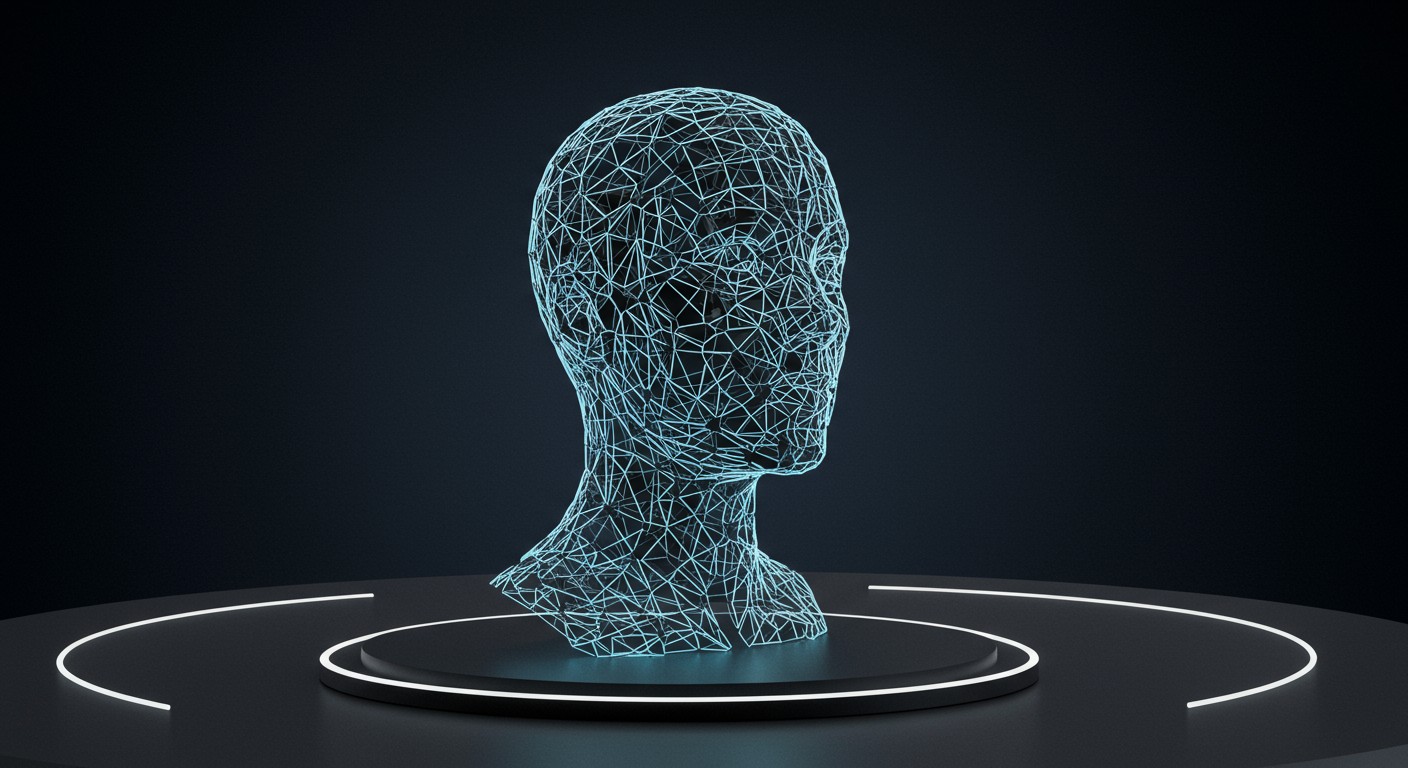
Advancing 3D Model Creation with Generative AI: MIT's Breakthrough and PixelDojo's Tools
MIT researchers have developed a novel technique to generate sharper, more realistic 3D shapes using generative AI, eliminating the need for retraining models. PixelDojo's suite of AI tools enables users to explore and apply these advancements in 3D design and modeling.
Introduction
Creating realistic 3D models is essential in various fields, including virtual reality, filmmaking, and engineering design. Traditionally, this process has been labor-intensive, requiring significant manual effort and expertise. Recent advancements in generative artificial intelligence (AI) have streamlined 2D image creation, but generating high-quality 3D shapes has remained a challenge. MIT researchers have now introduced a technique that leverages generative AI to produce sharper, more lifelike 3D models without the need for retraining existing models. This breakthrough, combined with tools like those offered by PixelDojo, opens new avenues for designers and engineers to create sophisticated 3D content efficiently.
The Challenge of 3D Shape Generation
While generative AI models have excelled in producing realistic 2D images from text prompts, their application to 3D shape generation has been less successful. Techniques like Score Distillation Sampling (SDS) have attempted to bridge this gap by utilizing 2D image generation models to create 3D shapes. However, the results often appear blurry or cartoonish, failing to meet the quality standards required for professional applications.
MIT's Innovative Approach
MIT researchers identified the root cause of the subpar quality in 3D models generated by SDS. They discovered a mismatch in the algorithms used for 2D and 3D generation, particularly in how noise is handled during the optimization process. By introducing a simple fix that approximates the complex equation governing noise addition and removal, they achieved significant improvements in 3D shape quality. This method produces sharp, realistic 3D models without the need for retraining or fine-tuning the generative AI model, making it both efficient and cost-effective. (computing.mit.edu)
Implications for Designers and Engineers
This advancement has profound implications for professionals involved in 3D modeling. The ability to generate high-quality 3D shapes quickly and accurately can streamline workflows, reduce production times, and foster creativity. Designers can now focus more on conceptualization and less on the technical intricacies of model creation.
Exploring 3D Generation with PixelDojo's Tools
To harness the potential of this generative AI advancement, users can turn to PixelDojo's suite of AI tools. For instance, PixelDojo's Text-to-3D tool allows users to input textual descriptions and generate corresponding 3D models, aligning with the principles of MIT's technique. This tool enables designers to experiment with various prompts and observe how the AI interprets and visualizes them in three dimensions.
Additionally, PixelDojo's Image-to-3D transformation feature lets users convert 2D images into 3D models. By uploading a 2D image, the AI analyzes the content and extrapolates a 3D representation, providing a practical application of generative AI in 3D modeling. This feature is particularly useful for artists and designers looking to expand their portfolios with 3D content derived from existing 2D works.
Comparing with Other AI Art Technologies
While other AI art technologies have made strides in 2D image generation, their transition to 3D has been less seamless. Techniques like GANs (Generative Adversarial Networks) have been employed for 3D generation but often require extensive datasets and computational resources. MIT's approach, as well as PixelDojo's tools, offer a more accessible and efficient alternative by leveraging existing 2D models and applying innovative optimization techniques to achieve high-quality 3D outputs.
Use Cases and Applications
The applications of this technology are vast:
-
Virtual Reality (VR) and Augmented Reality (AR): Rapid generation of realistic 3D models can enhance immersive experiences in VR and AR environments.
-
Film and Animation: Streamlining the creation of 3D assets can reduce production times and costs in the entertainment industry.
-
Product Design: Engineers can quickly prototype and visualize products in 3D, facilitating faster iterations and improvements.
-
Education: Educators can create detailed 3D models to aid in teaching complex concepts across various disciplines.
Conclusion
MIT's development of a technique to generate realistic 3D shapes using generative AI marks a significant milestone in the field of AI-driven design. By addressing the challenges inherent in 3D generation and providing efficient solutions, this advancement paves the way for broader adoption and innovation. Tools like those offered by PixelDojo empower users to explore and apply these technologies, democratizing access to high-quality 3D modeling and fostering creativity across industries.
Premium AI Tools
Create Incredible AI Images Today
Join thousands of creators worldwide using PixelDojo to transform their ideas into stunning visuals in seconds.
124
Creative AI Tools
4M+
Creations
60+
AI Video Models