Industry News
The Monkey Selfie: A Legal Landmark in AI-Generated Content
The 'monkey selfie' case, involving a macaque's self-portrait, has set a precedent in copyright law, influencing the ownership rights of AI-generated content. This article explores the case's implications for AI art and how tools like PixelDojo's suite can help creators navigate this evolving landscape.
The Monkey Selfie: A Legal Landmark in AI-Generated Content
In the ever-evolving world of artificial intelligence (AI) and creative content, the 'monkey selfie' case stands out as a pivotal moment that has influenced the discourse on copyright ownership. This article delves into the case's background, its implications for AI-generated content, and how creators can navigate this complex landscape using tools like PixelDojo's suite of AI art generation and editing tools.
The Monkey Selfie Case: A Brief Overview
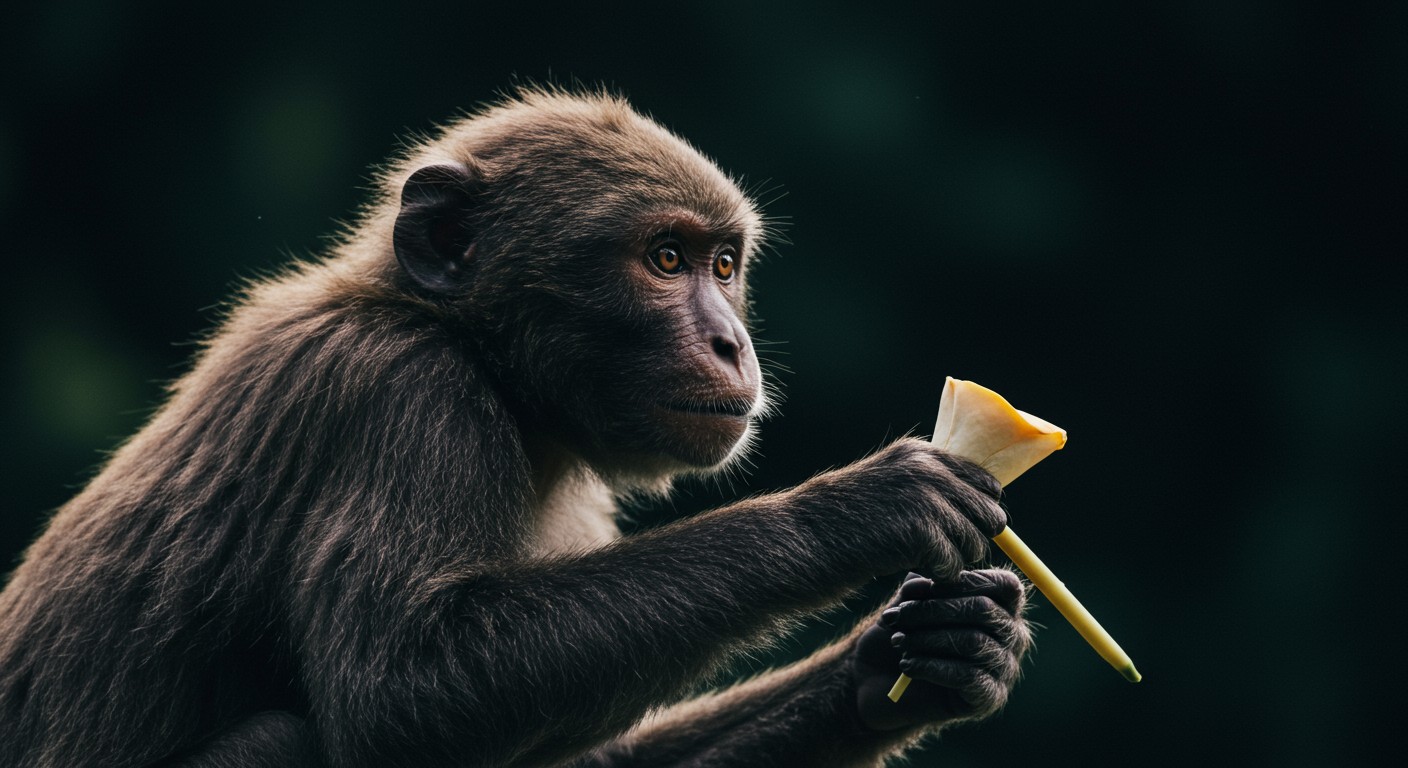
In 2011, British wildlife photographer David Slater traveled to Indonesia to photograph macaques. During the expedition, a crested black macaque named Naruto took a series of selfies using Slater's unattended camera. These images, particularly one featuring Naruto's toothy grin, went viral, sparking widespread interest and debate.
The controversy centered around the copyright ownership of the photograph. PETA (People for the Ethical Treatment of Animals) filed a lawsuit on behalf of Naruto, claiming that the monkey should be recognized as the author and rightful owner of the image. The case raised fundamental questions about authorship and copyright in works created by non-humans.
Legal Implications and the Ruling
The U.S. courts ultimately dismissed PETA's lawsuit, ruling that animals cannot hold copyrights under current U.S. law. The court stated that copyright protection is only applicable to works created by humans. This decision set a precedent that has significant implications for AI-generated content.
AI-Generated Content and Copyright Challenges
The 'monkey selfie' case highlights the complexities surrounding authorship and ownership in works not directly created by humans. With the advent of AI technologies capable of generating images, music, and literature, similar questions arise:
- Who owns the rights to AI-generated content?
- Can AI be considered an author under existing copyright laws?
- What are the implications for artists and creators using AI tools?
Currently, most jurisdictions do not recognize AI as a legal entity capable of holding copyrights. Therefore, the rights to AI-generated works typically reside with the human who initiated the creation process. However, this area of law is still developing, and interpretations can vary.
Navigating AI Art Creation with PixelDojo
For artists and creators exploring AI-generated art, understanding the legal landscape is crucial. PixelDojo offers a suite of tools that not only facilitate the creation of AI art but also provide features that help users manage and assert their rights over the generated content.
PixelDojo's AI Art Generation Tools
-
Google Nano Banana: This tool allows users to perform multi-image fusion and editing, leveraging Google's advanced AI capabilities. By combining multiple images, creators can produce unique artworks while maintaining control over the creative process.
-
GPT-Image: Utilizing OpenAI's latest models, GPT-Image offers strong prompt adherence, enabling artists to generate images that closely match their envisioned concepts. This precision ensures that the human creator's intent is clearly reflected in the final output.
-
Flux.2 Studio: With Pro and Dev models supporting multi-reference inputs, Flux.2 Studio provides a versatile platform for professional-grade AI art creation. The tool's flexibility allows for intricate designs and styles, empowering creators to produce distinctive works.
Ensuring Ownership and Rights Management
While PixelDojo's tools empower creators to produce AI-generated art, it's essential to consider the following steps to safeguard ownership rights:
-
Document the Creative Process: Maintain records of prompts, inputs, and edits made during the creation process. This documentation can serve as evidence of human involvement and intent.
-
Understand Licensing Agreements: Familiarize yourself with the terms of service and licensing agreements associated with AI tools. Ensure that you retain the rights to the content you create.
-
Stay Informed on Legal Developments: As laws and regulations evolve, staying updated on changes related to AI-generated content will help you navigate potential challenges.
Conclusion
The 'monkey selfie' case serves as a landmark in understanding copyright issues related to non-human creators. As AI continues to play a significant role in the creative arts, similar questions about authorship and ownership will persist. By utilizing tools like PixelDojo's suite and staying informed about legal developments, creators can confidently explore the possibilities of AI-generated art while safeguarding their rights.
For more information on PixelDojo's tools and how they can assist in your creative endeavors, visit their official website.
Note: This article is for informational purposes only and does not constitute legal advice. For specific legal concerns, consult a qualified attorney.
Original Source
Read original articlePremium AI Tools
Create Incredible AI Images Today
Join thousands of creators worldwide using PixelDojo to transform their ideas into stunning visuals in seconds.
125
Creative AI Tools
4M+
Creations
60+
AI Video Models