stable diffusion what is lora AI Generator
Imagine transforming your creative ideas into stunning visuals effortlessly. With LoRA (Low-Rank Adaptation) integrated into Stable Diffusion, you can fine-tune AI models quickly and efficiently, enabling the generation of unique images that align perfectly with your vision. PixelDojo harnesses this technology to empower you to create professional-quality images without the need for extensive technical knowledge.

Join over 10,000 creators who have generated more than 1 million images using PixelDojo's AI tools. Rated 4.8/5 by our satisfied users.
Why Choose Pixel Dojo for stable diffusion what is lora
Professional-quality results with cutting-edge AI technology
Rapid Fine-Tuning
Quickly adapt AI models to your specific needs, reducing training time and computational resources.
High-Quality Customization
Generate images that accurately reflect your desired styles, characters, or concepts with precision.
Cost-Effective Creativity
Achieve professional-grade image generation without the expense of traditional design methods.
How It Works
Creating customized images with LoRA in Stable Diffusion through PixelDojo is a straightforward process:
Step 1: Select Your Tool
Choose from PixelDojo's suite of AI image generation tools, such as Flux Creator or SDXL Image Creator, to suit your project requirements.
Step 2: Input Your Prompt
Enter a descriptive text prompt detailing the image you envision. For example, 'a serene sunset over a mountain range.'
Step 3: Apply LoRA Customization
Utilize LoRA to fine-tune the model, adjusting parameters to align the output with your specific style or concept.



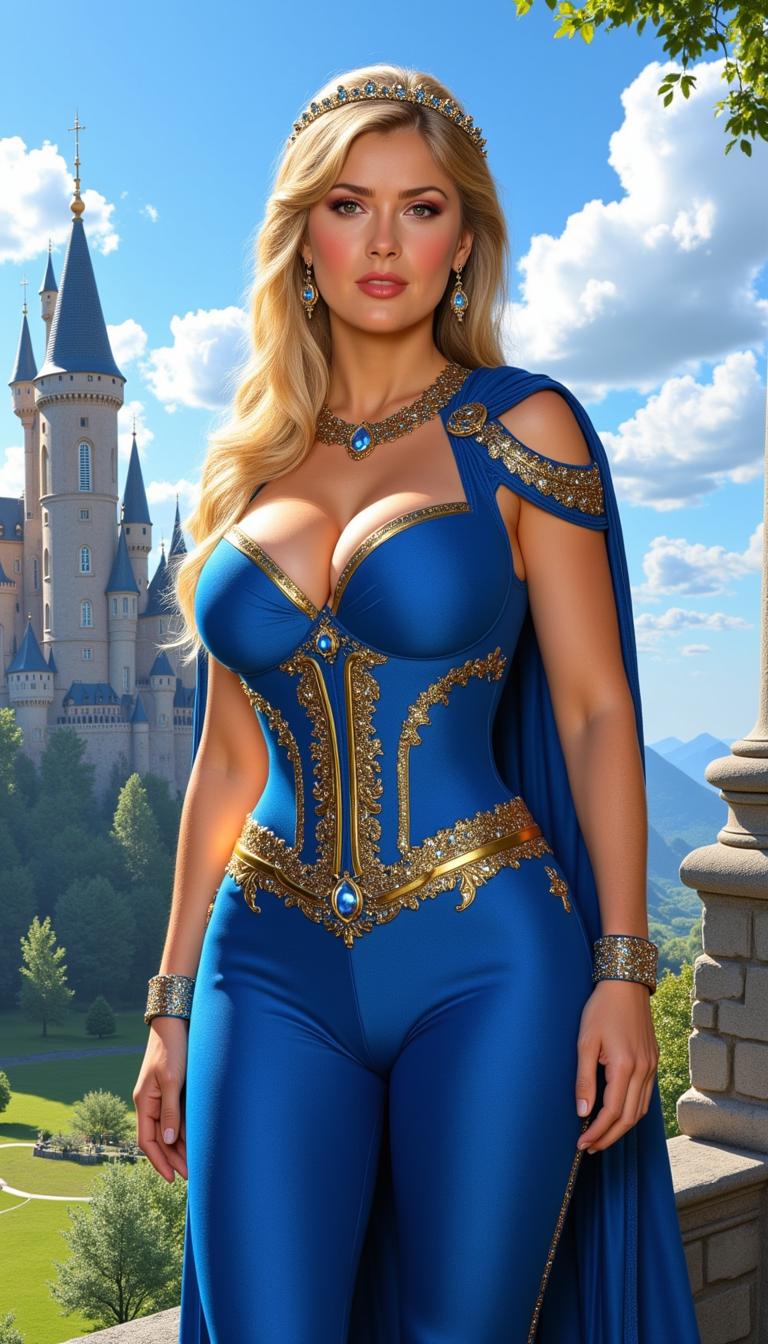
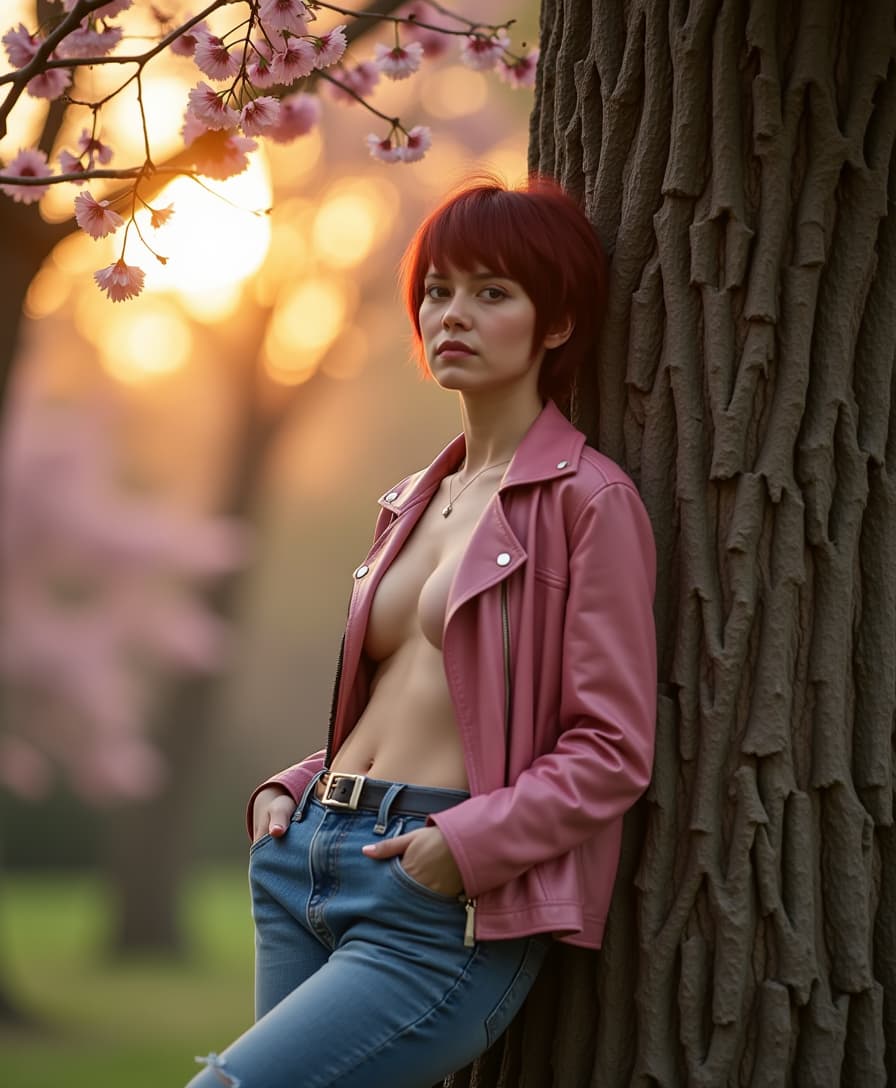





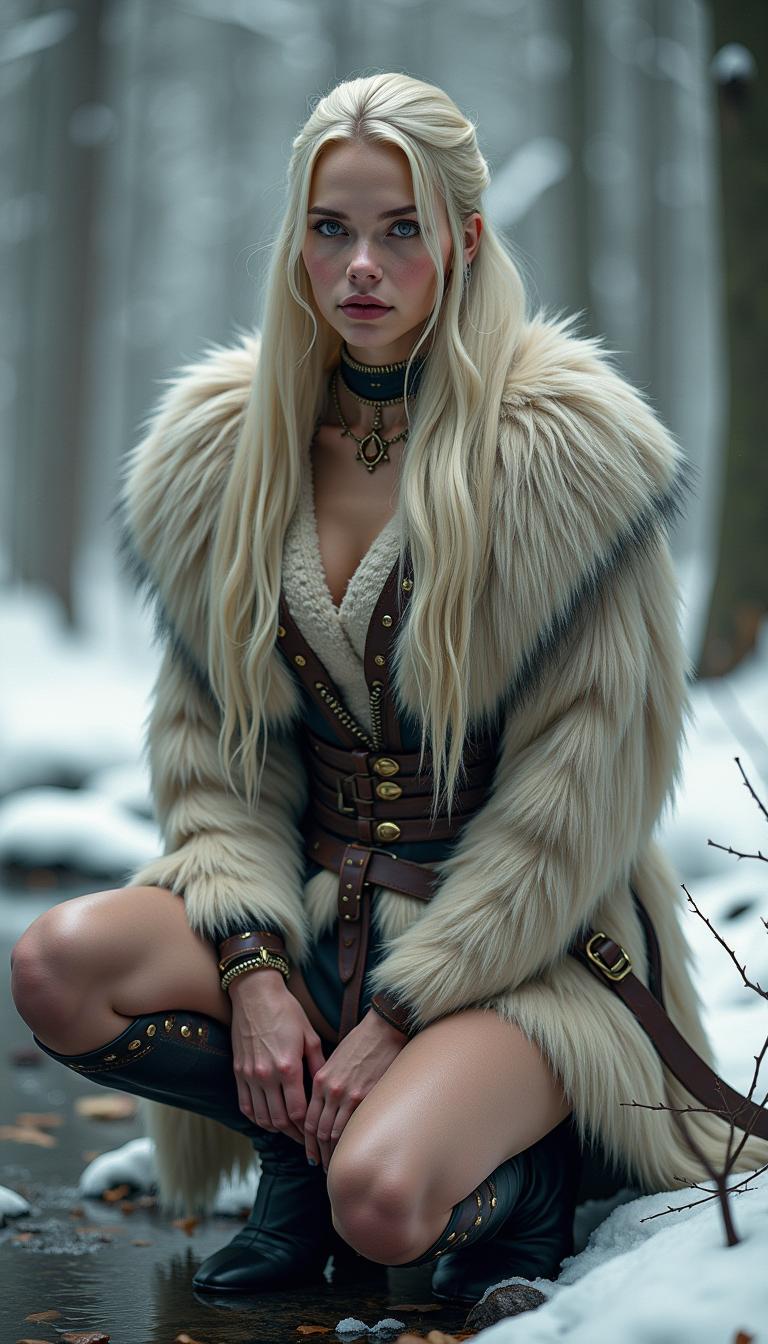

The Pixel Dojo Advantage
Why PixelDojo outperforms other options for AI image generation with LoRA:
| Others | Pixel Dojo |
|---|---|
| Traditional Image Creation | Eliminates the need for manual design skills, enabling anyone to create professional-quality images effortlessly. |
| Generic AI Tools | Offers a comprehensive suite of specialized tools tailored for diverse creative needs, providing more versatility and control. |
| Manual Photo Editing | Significantly reduces the time and effort required to produce high-quality images, streamlining your creative workflow. |
Loved by Creators
See what our community says about stable diffusion what is lora
"PixelDojo has transformed my creative workflow. The AI tools are incredible, and the results are stunning!"
Sarah K.
Digital Artist
"The ease of use and quality of results are unmatched. Finally, professional AI tools that just work!"
Michael R.
Content Creator
Common Questions
Everything you need to know about stable diffusion what is lora AI generation
What is LoRA in Stable Diffusion?
LoRA (Low-Rank Adaptation) is a technique that allows for efficient fine-tuning of Stable Diffusion models by introducing trainable rank decomposition matrices into each layer, reducing the number of trainable parameters and enabling faster adaptation to specific tasks or styles.
How does PixelDojo utilize LoRA for image generation?
PixelDojo integrates LoRA into its AI image generation tools, allowing users to quickly fine-tune models to generate images that accurately reflect their desired styles, characters, or concepts with minimal computational resources.
Do I need technical expertise to use LoRA with PixelDojo?
No, PixelDojo is designed with user-friendliness in mind. Our intuitive interface allows users of all skill levels to apply LoRA fine-tuning and create customized images effortlessly.
Can I combine multiple LoRA models in a single image generation?
Yes, PixelDojo supports the combination of multiple LoRA models, enabling the creation of complex images that incorporate various styles, characters, or concepts seamlessly.
What types of projects can benefit from using LoRA in Stable Diffusion?
LoRA is ideal for a wide range of projects, including character design, concept art, marketing materials, and any creative endeavor that requires customized image generation.
How does LoRA improve the efficiency of fine-tuning Stable Diffusion models?
By reducing the number of trainable parameters through rank decomposition, LoRA decreases GPU memory requirements and overall computational cost, allowing for faster and more efficient fine-tuning without sacrificing model performance.