how to train a lora model AI Generator
Unlock the power of personalized AI image generation with PixelDojo's Fast Flux LoRA Trainer. Whether you're an artist aiming to replicate a unique style or a marketer seeking brand-specific visuals, our platform empowers you to train custom LoRA models swiftly and efficiently. Say goodbye to lengthy training times and hello to rapid, high-quality results tailored to your creative vision.

Join over 10,000 creators who have transformed their workflows with PixelDojo's cutting-edge AI tools, achieving a 90% satisfaction rate and generating over 1 million custom images to date.
Why Choose Pixel Dojo for how to train a lora model
Professional-quality results with cutting-edge AI technology
Rapid Training Times
Train high-quality LoRA models in just 2 minutes, significantly reducing your project timelines.
Cost-Effective Solutions
Utilize our affordable pricing plans to train models without breaking the bank, making AI customization accessible to all.
User-Friendly Interface
Navigate through the training process with ease, thanks to our intuitive platform designed for both beginners and professionals.
How It Works
Creating your custom LoRA model with PixelDojo is a straightforward process. Follow these steps to bring your unique AI vision to life:
Step 1: Prepare Your Dataset
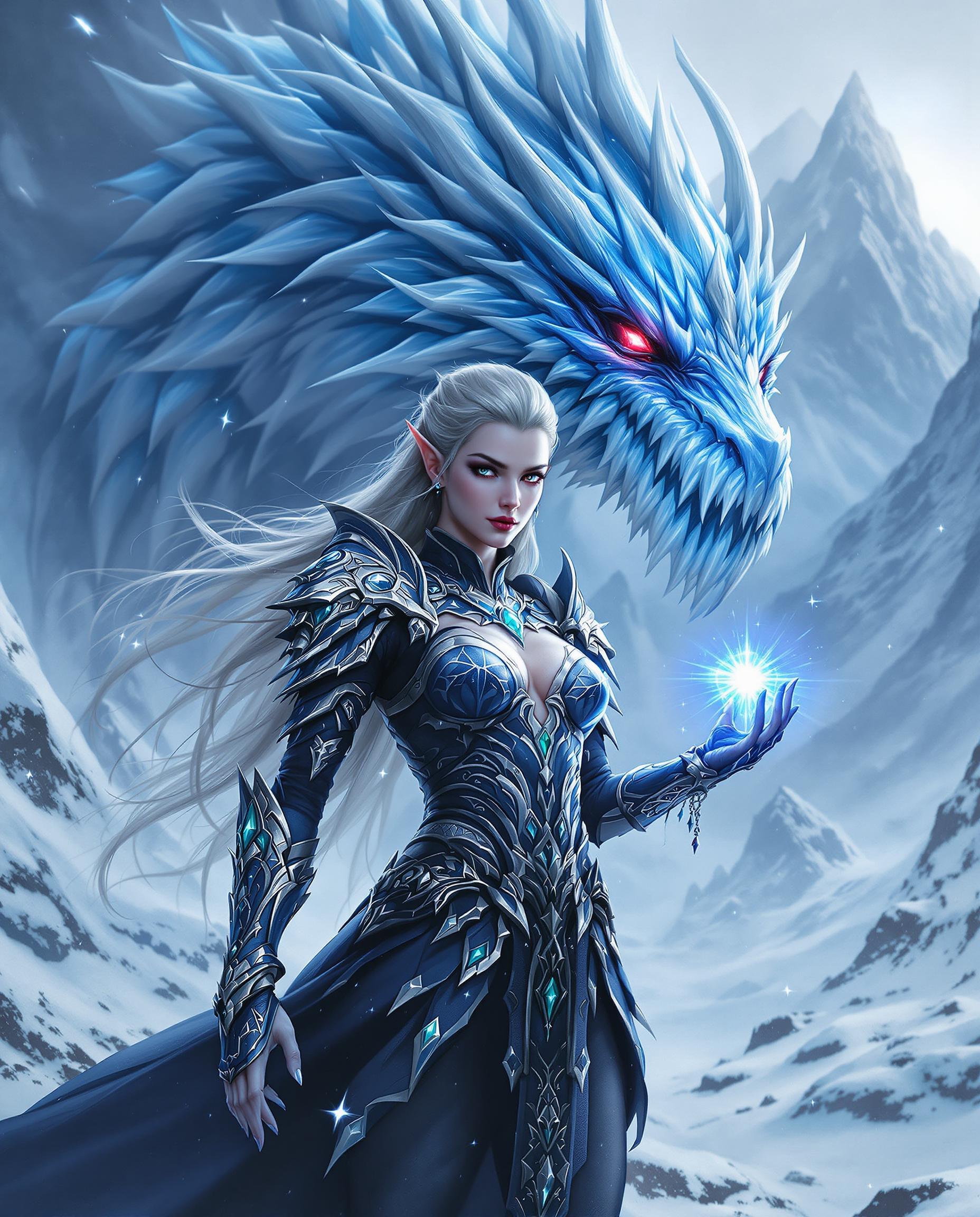
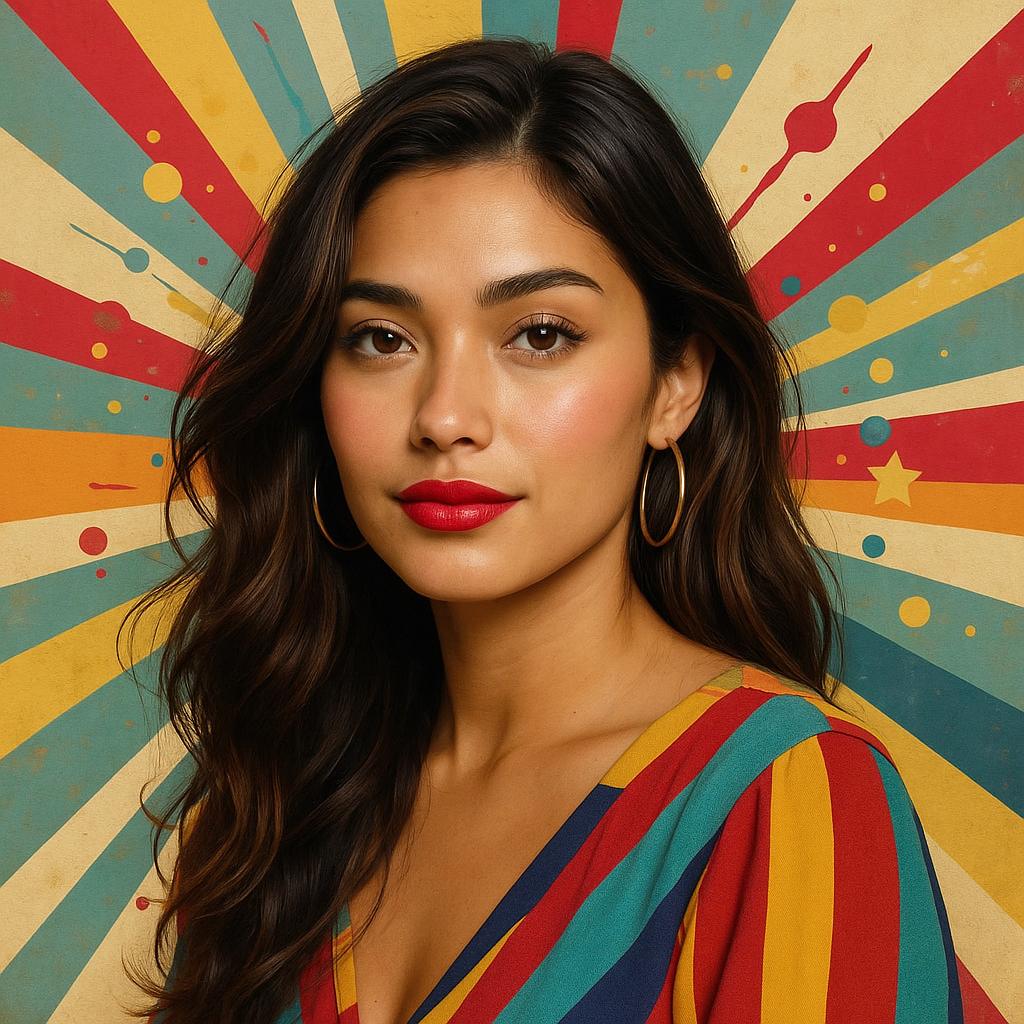
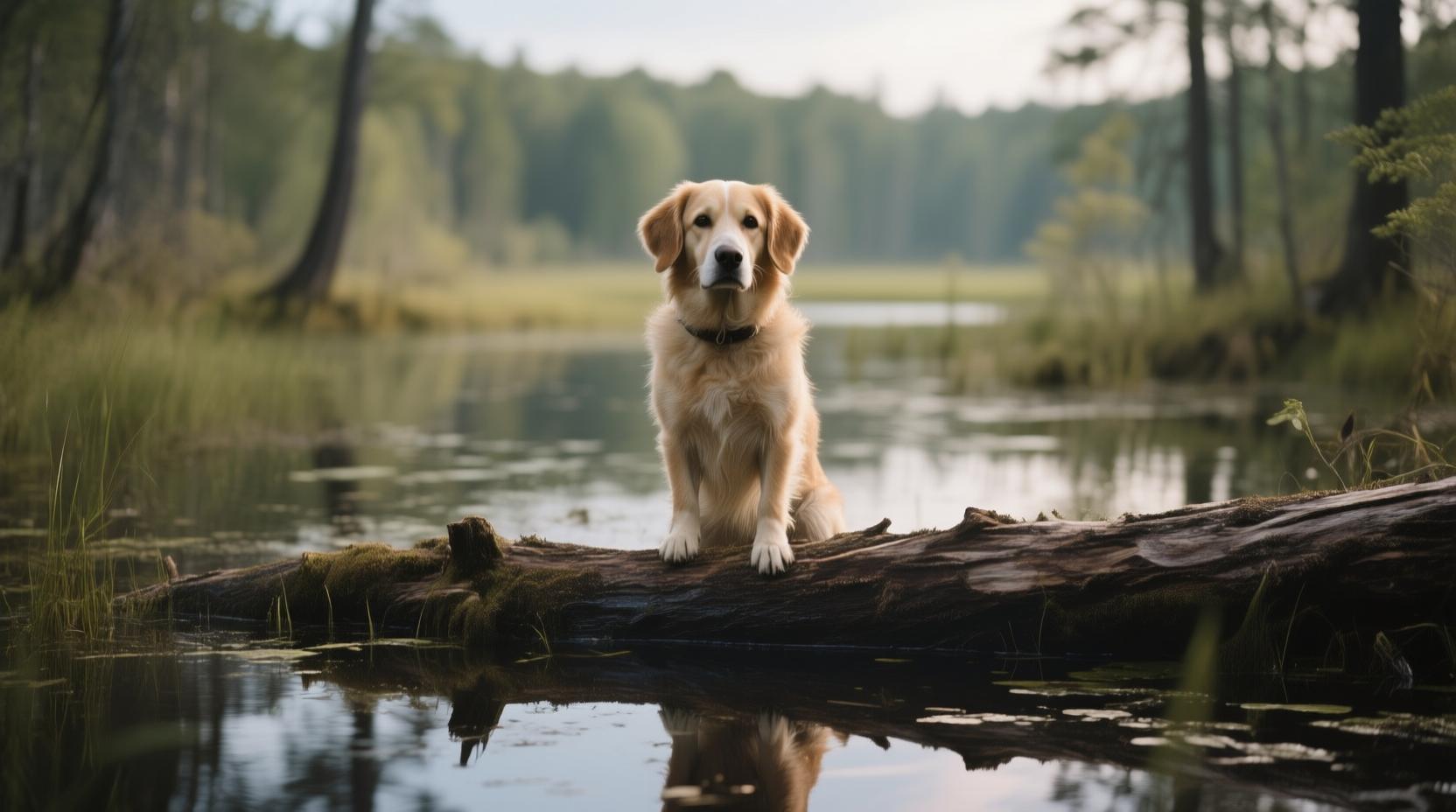
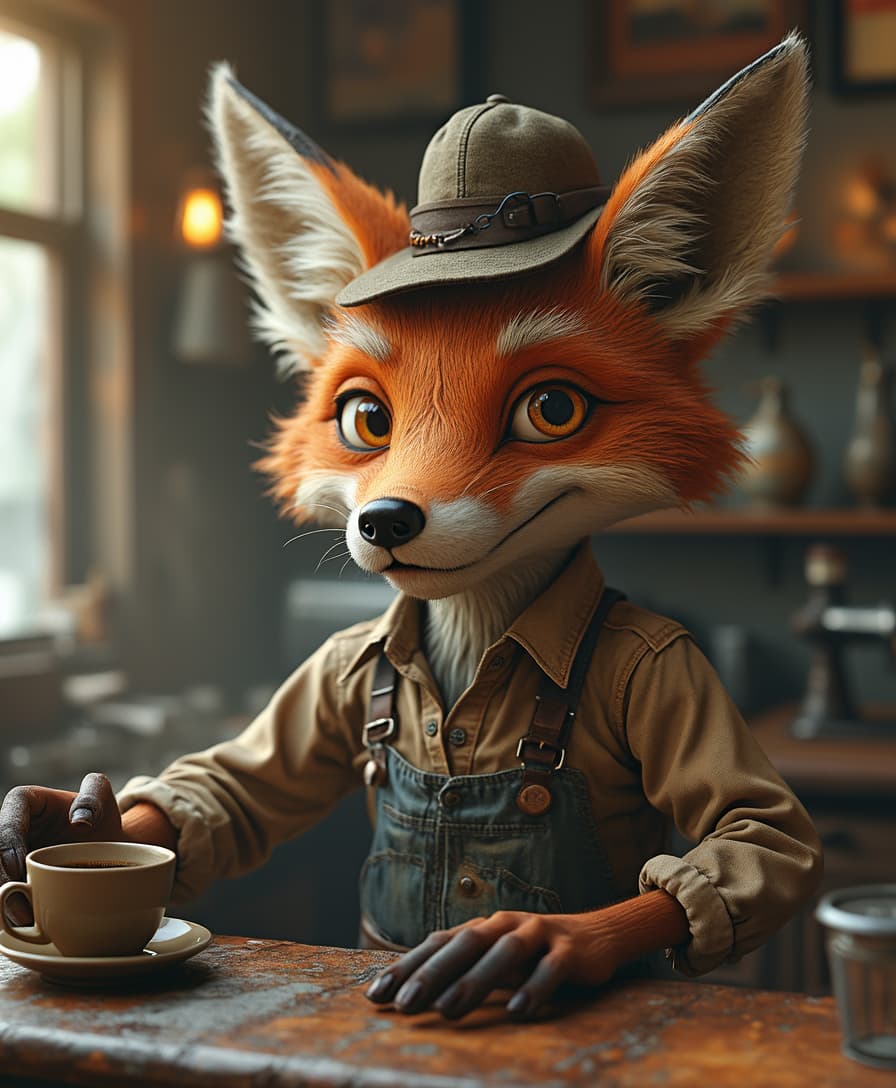
Gather 10-20 high-quality images that represent the style or subject you wish to replicate. Ensure diversity in poses, angles, and lighting to enhance model accuracy.
Step 2: Access the Fast Flux LoRA Trainer
Log in to your PixelDojo account and navigate to the 'Train' section. Select the 'FLUX Model Trainer' to begin the training process.
Step 3: Upload and Configure
Upload your prepared dataset, assign a unique trigger word for your model, and adjust training parameters as needed. Our platform offers default settings optimized for most users.




The Pixel Dojo Advantage
Discover how PixelDojo's Fast Flux LoRA Trainer stands out in the realm of AI model training:
| Others | Pixel Dojo |
|---|---|
| Traditional AI Model Training | Reduce training times from over 45 minutes to just 2 minutes, accelerating your creative process. |
| Generic AI Tools | Enjoy a platform specifically designed for LoRA model training, offering tailored features and support. |
| Manual Image Editing | Automate the creation of custom images, saving countless hours compared to manual editing methods. |
Loved by Creators
See what our community says about how to train a lora model
"PixelDojo's Fast Flux LoRA Trainer has revolutionized my workflow. Training custom models is now faster and more efficient than ever."
Alex Johnson
Digital Artist
"As a marketer, creating brand-specific visuals used to be a challenge. With PixelDojo, I can now generate tailored images in minutes."
Samantha Lee
Marketing Manager
Common Questions
Everything you need to know about how to train a lora model AI generation
What is a LoRA model?
A LoRA (Low-Rank Adaptation) model is a technique that allows for efficient fine-tuning of large AI models by introducing trainable low-rank matrices, enabling rapid customization with fewer resources.
How many images are needed to train a LoRA model?
For effective training, it's recommended to use 10-20 high-quality images. The quality and diversity of the images are more crucial than the quantity.
Can I use PixelDojo's LoRA Trainer without prior AI experience?
Absolutely! PixelDojo's platform is designed with user-friendliness in mind, making it accessible for both beginners and experienced users.
How much does it cost to train a LoRA model on PixelDojo?
PixelDojo offers affordable pricing plans, with 1,000 training steps priced at 25 credits and 2,500 steps at 40 credits, making AI model training cost-effective.
What are the system requirements for using PixelDojo's LoRA Trainer?
As a cloud-based platform, PixelDojo requires only a stable internet connection and a modern web browser, eliminating the need for high-end hardware.
Can I combine multiple LoRA models in a single image generation?
Yes, PixelDojo allows for the combination of multiple trained LoRA models, enabling the creation of complex and unique images.