Reve 2.1 Prompting Guide

Generate, edit, or remix.
Reve 2.1 does all three in one tool.

Reve 2.1 picks its mode from how many reference images you attach. Zero references is text-to-image. One reference is a single-image edit. Two to eight references is remix, the first true multi-image compositing on Pixel Dojo. Direct any reference by position with the <frame>N</frame> syntax. Every mode is a flat 4 credits.

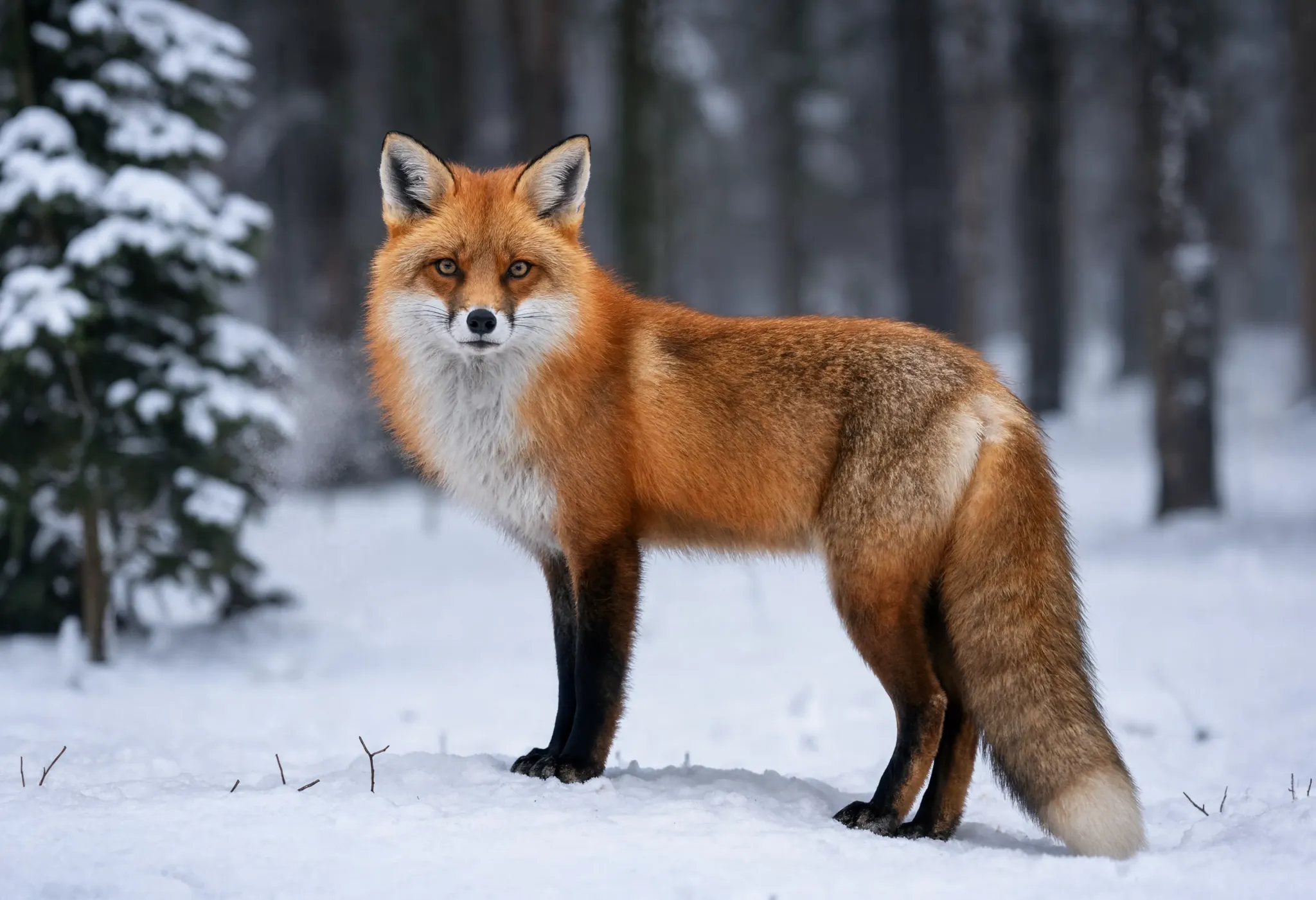
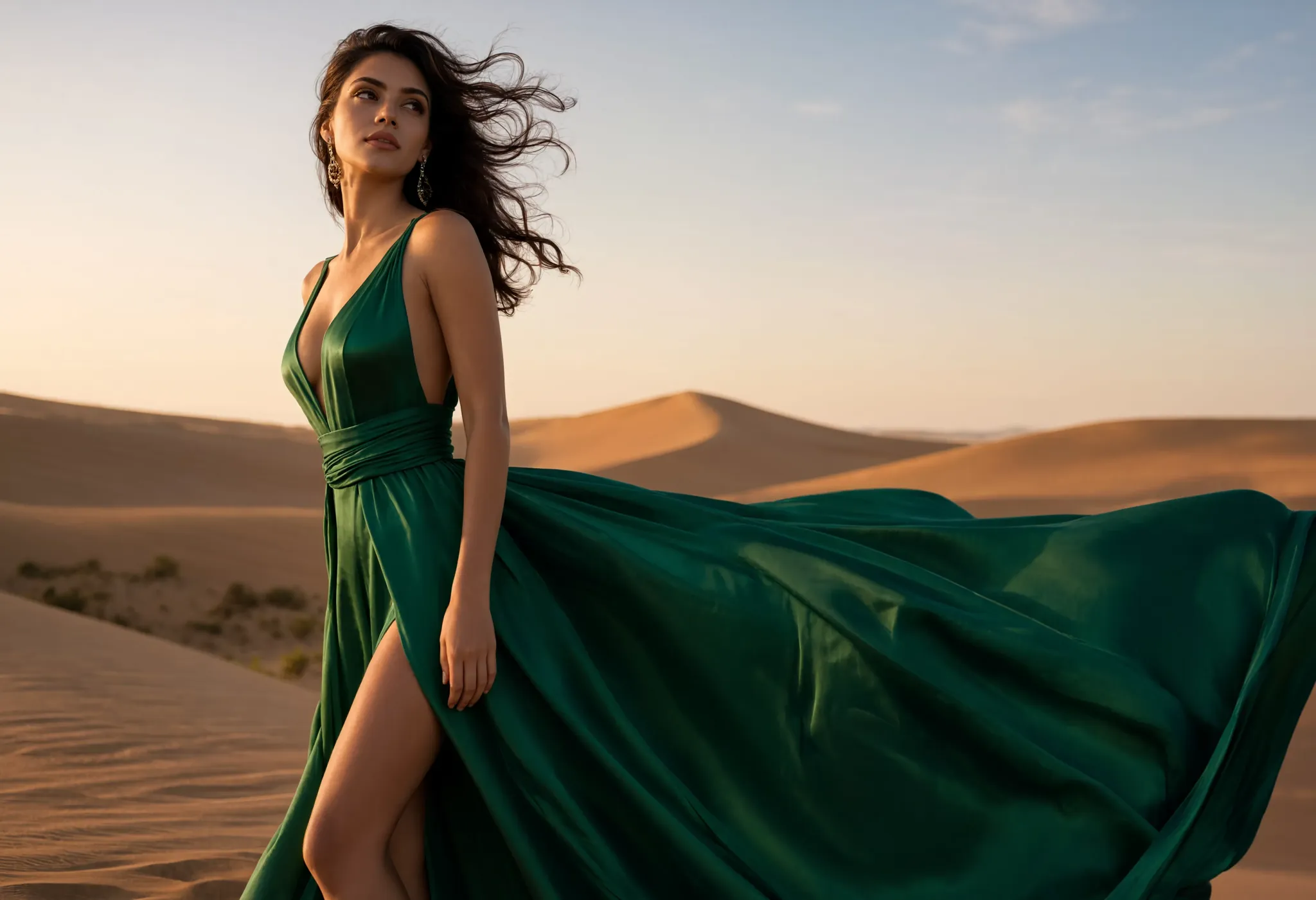
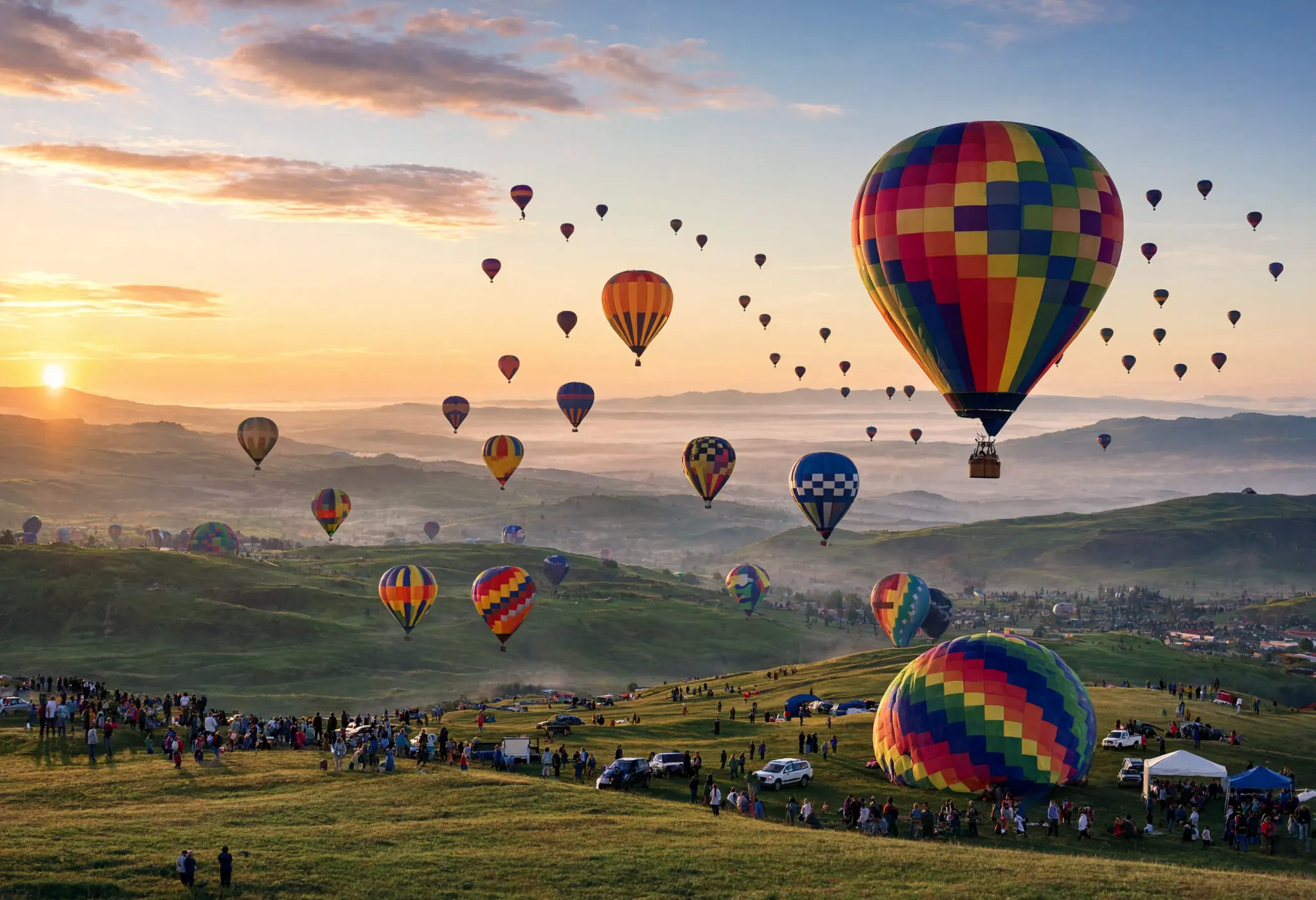
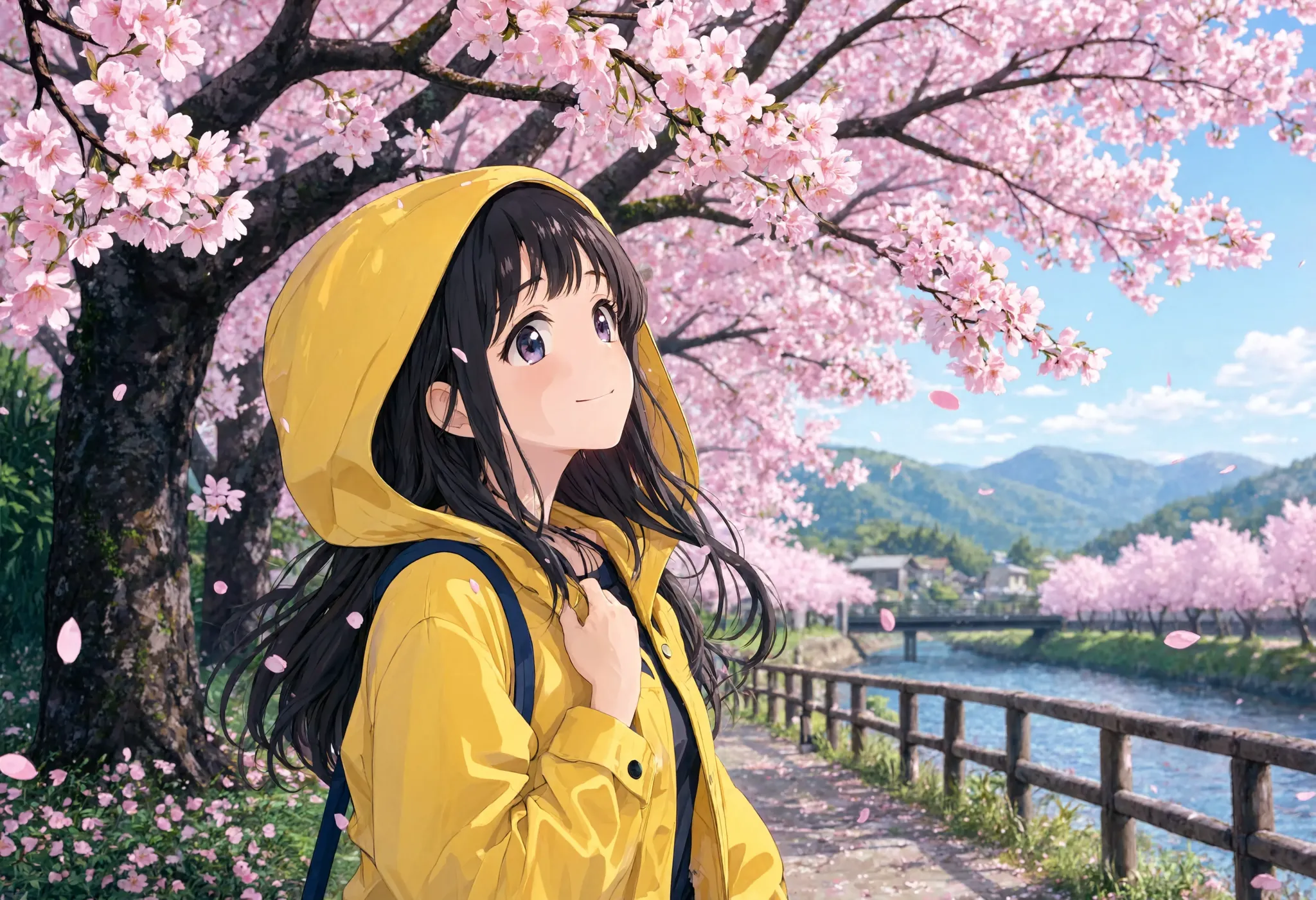
Reve 2.1 hero render

Overview

Reve 2.1 is an image model from Reve with one unusual property: a single tool covers three jobs, and you switch between them just by changing how many reference images you attach. No references means text-to-image generation from your prompt alone. One reference means Reve edits that image while leaving the rest of the scene intact. Two to eight references puts Reve in remix mode, where it composites several images into one result.

Remix is the headline. Reve is the first remix-capable model on Pixel Dojo, and it reads a simple targeting syntax: write <frame>N</frame> in your prompt to point at a specific reference, where N is the zero-based position in your reference list. So <frame>0</frame> is your first attached image, <frame>1</frame> is the second, and so on. That lets you say exactly what to take from where, for example the jacket from <frame>0</frame> and the pose from <frame>1</frame>. Reve also ships a wide aspect-ratio range, from auto and the usual ratios out to 4:1 panoramas and 1:4 columns, at a flat 4 credits per generation.

3-in-1

Generate · edit · remix

Up to 8

Reference images

4 cr

Per generation

Key Features

Frame-Level Reference Control
The <frame>N</frame> syntax

Frame-Level Reference Control

Point your prompt at a specific reference image by position. Write <frame>0</frame> for the first attached image, <frame>1</frame> for the second, and so on. Instead of blending every reference together, you assign parts of the result to specific inputs. This is Reve's signature feature.

Multi-Image Remix
Composite up to 8 references

Multi-Image Remix

Attach two to eight images and Reve composites them into a single new image. Take a garment from one, a pose from another, a background from a third. It is the first remix-capable model on Pixel Dojo, and it holds detail from each source when you name it clearly.

Clean Single-Image Edits
Change one thing, keep the rest

Clean Single-Image Edits

Attach exactly one reference and Reve edits in place. Swap a background, recolor a jacket, change a detail, while the rest of the scene stays intact. Name what to preserve and what to change, and the edit stays bounded instead of redrawing the whole frame.

Strong Prompt Adherence
It does what you ask

Strong Prompt Adherence

Reve follows precise instructions well. Spelled-out assignments (the hat from <frame>0</frame>, the face from <frame>1</frame>) and explicit preserve-versus-change directions land reliably, so you can steer the result rather than reroll for it.

Wide Aspect-Ratio Range
auto to 4:1 and 1:4

Wide Aspect-Ratio Range

Beyond the usual ratios (1:1, 3:2, 2:3, 16:9, 9:16, 4:3, 3:4, 21:9), Reve reaches the extremes: 4:1 for true panoramas and 1:4 for tall columns. Leave it on auto and Reve picks a ratio that fits the request.

One Tool, Three Modes
Generate · edit · remix

One Tool, Three Modes

No mode switch and no separate tools. The number of reference images you attach selects text-to-image, single-image edit, or remix. Every mode is a flat 4 credits, so you can move from a fresh generation to an edit to a composite without leaving the page.

Example Images

Each example shows the exact prompt that produced the result. Copy any prompt with one click.

Editorial Studio Portrait

Editorial Studio Portrait

Text-to-image · 0 references · 3:4

Editorial studio portrait of a woman with short silver hair, dramatic side lighting against a deep charcoal backdrop, sharp catchlights, shallow depth of field, photoreal

With zero references attached, Reve runs pure text-to-image. Specific lighting ("dramatic side lighting", "sharp catchlights") and a named backdrop carry the shot without any source images.

Ultra-Wide Alpine Panorama

Ultra-Wide Alpine Panorama

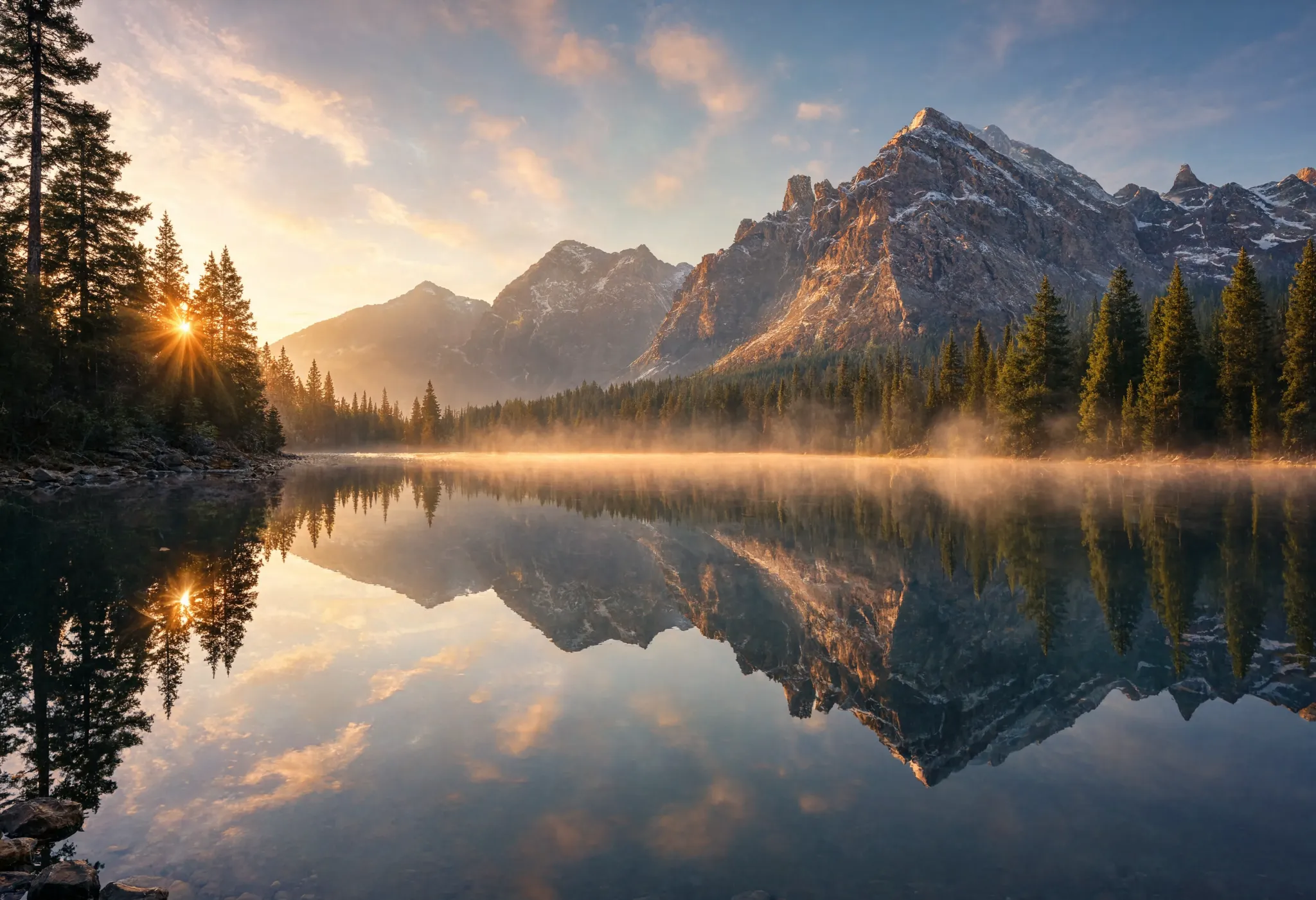
Text-to-image · 0 references · 4:1

Ultra-wide panorama of a misty alpine valley at sunrise, layered mountain ridges fading into haze, a winding river catching the first warm light, cinematic depth

The 4:1 ratio gives a true panorama crop. Name your foreground-to-background layers ("ridges fading into haze", "river catching the first light") so the very wide frame stays composed.

Swap the Background

Swap the Background

Single-image edit · 1 reference · auto

Keep the person and their pose exactly as in <frame>0</frame>, replace the background with a sunlit city street at golden hour, match the lighting on the subject to the new scene

One reference puts Reve in edit mode. Name what to preserve (the person, the pose) and what to change (the background), and ask it to match the lighting so the composite reads as one shot.

Recolor the Jacket

Recolor the Jacket

Single-image edit · 1 reference · auto

Using <frame>0</frame>, change the jacket to deep forest green, keep the fabric texture and folds, and leave the rest of the scene unchanged

Bounded edits are where single-image mode shines. Name the one thing to change and explicitly lock everything else so Reve does not redraw the whole frame.

Product on a New Model

Product on a New Model

Remix · 2 references · 3:2

Put the handbag from <frame>0</frame> on the shoulder of the model in <frame>1</frame>, keep the model's pose and the studio background from <frame>1</frame>

The signature remix move. Number your references, then say what to take from which frame: the product from <frame>0</frame>, the model and background from <frame>1</frame>.

Composite a Cinematic Scene

Composite a Cinematic Scene

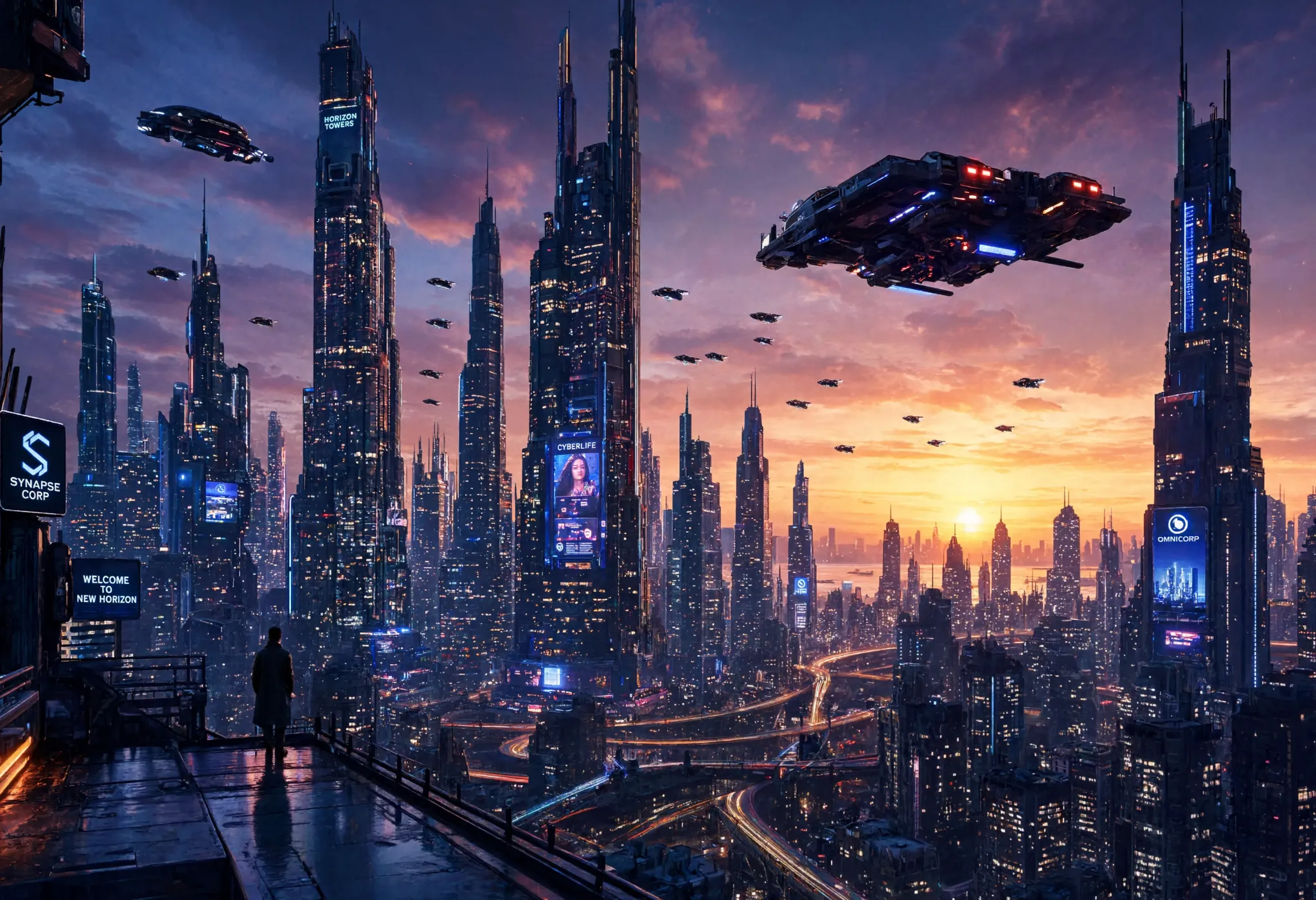
Remix · 3 references · 16:9

Combine the character from <frame>0</frame>, the outfit from <frame>1</frame>, and the neon-lit alley background from <frame>2</frame> into one cinematic shot, keep the character's face from <frame>0</frame>

Remix scales to eight references. Assign each frame a clear job and re-state the identity anchor ("keep the face from <frame>0</frame>") so features are not averaged across sources.

Prompting Tips

The reference count is the mode

You do not flip a switch to edit or remix. Attach zero images for text-to-image, one for an edit, and two to eight for a remix. If you get a fresh generation when you wanted an edit, you probably forgot to attach the reference.

Count frames from zero

<frame>0</frame> is the first image you attached, not the first one you can think of. Off-by-one is the most common remix mistake. Re-check the order of your references before you prompt.

Be explicit per frame

Do not write "combine these". Write what to pull from each frame: the hat from <frame>0</frame>, the face from <frame>1</frame>. The more specific the assignment, the cleaner the composite.

Lock what you want to keep

For edits, name the parts to preserve, not just the part to change. "Keep the pose and lighting, change only the jacket color" holds the rest of the scene steady.

Restate the identity anchor

In a multi-frame remix, re-state whose face or identity wins, for example "keep the character's face from <frame>0</frame>". It stops Reve from averaging features across references.

Reach for the extreme ratios on purpose

4:1 makes a real panorama and 1:4 makes a tall column. Compose for the crop: name foreground-to-background layers for wide shots, and stack vertical elements for tall ones.

Prompt Framework

Reve rewards a plan. Decide the mode first, then be explicit about every image you hand it.

1. Pick your mode by reference count. Attach zero images for text-to-image, one for a single-image edit, or two to eight for a remix. You are not choosing a setting, the number of references is the mode.

2. Number your references. For a remix, know the order you attached them. The first image is <frame>0</frame>, the second is <frame>1</frame>, and so on. Reve reads that position, not the file name.

3. Say what to take from which frame. This is where remix earns its keep. Be specific: the jacket from <frame>0</frame>, the pose from <frame>1</frame>, the background from <frame>1</frame>. Vague prompts blend everything, precise prompts composite cleanly.

4. For edits, name what to keep and what to change. With one reference, tell Reve the one thing to change and explicitly lock the rest, for example keep the person and pose from <frame>0</frame> and replace only the background.

5. Choose an aspect ratio, or leave it on auto. Reve covers auto, 1:1, 3:2, 2:3, 16:9, 9:16, 4:3, 3:4, 21:9, plus 4:1 panoramas and 1:4 columns. Leave auto and Reve picks, set one when the crop matters.
Settings Reference

SettingValuesNotes
Reference images0 · 1 · 2–80 = text-to-image, 1 = single-image edit, 2–8 = remix. The count sets the mode.
Frame syntax<frame>N</frame>Target a reference by position. N is 0-based, so <frame>0</frame> is the first attached image.
Aspect ratioauto · 1:1 · 3:2 · 2:3 · 16:9 · 9:16 · 4:3 · 3:4 · 21:9 · 4:1 · 1:4Default auto. 4:1 is a wide panorama, 1:4 a tall column.
PromptStringDescribe the result. For remix, name what to take from each frame.
Pricing4 creditsFlat across generate, edit, and remix, any number of references.

FAQ

Remix is Reve compositing two to eight reference images into a single new image. It is the first multi-image remix on Pixel Dojo. You attach the images, then describe the result and point at each reference with the <frame>N</frame> syntax, for example 'the handbag from <frame>0</frame> on the person in <frame>1</frame>'.