PonyXL Prompting Guide

PonyXL.
Score-tagged anime + stylized.

PonyXL is the community-favorite anime-focused SDXL fine-tune. Score tags (score_9, score_8_up) drive quality, character-tag vocabulary controls style. Use it when you want anime, fantasy illustration, chibi, mecha, or stylized character work.

PonyXL hero — anime portrait with cherry blossoms

Overview

PonyXL is the community-favorite anime fine-tune of SDXL — same architecture, retrained on a curated dataset with a unique 'score' tag system that drives quality. Lead every prompt with score_9, score_8_up, score_7_up and the model produces top-tier output; skip them and quality drops dramatically.

Designed for anime, chibi, fantasy illustration, mecha, character art. Reads booru-style tag prompts (the conventions used on anime tag databases) cleanly. Less suited to photoreal; absolutely the right tool for stylized character work.

Score tags

Quality control system

Anime

Primary genre

SDXL

Base architecture

Key Features

Score Tag Quality System
Lead with score_9, score_8_up

Score Tag Quality System

PonyXL's defining trait is its score tag system. Lead every prompt with 'score_9, score_8_up, score_7_up' (in that order, comma-separated) to unlock top-tier output. Without these tags, quality drops dramatically — they're not optional.
Anime + Fantasy Strong
Native genre for the fine-tune

Anime + Fantasy Strong

PonyXL is purpose-tuned for anime character work — clean line art, expressive eyes, soft cel-shading, dynamic posing. Fantasy illustration with anime sensibility (knights, magic, mythical creatures) also reads natively without engineering the look in prompt.

Chibi + Stylized Range
Beyond standard anime

Chibi + Stylized Range

PonyXL handles non-standard stylized work too — chibi (super-deformed cute characters), storybook illustration, mascot art, kawaii aesthetics. Commits cleanly to non-anime stylized when prompted with explicit medium language.

Mecha + Sci-Fi
Mechanical anime detail

Mecha + Sci-Fi

Particularly strong on mecha — humanoid robots, futuristic vehicles, sci-fi armor with anime sensibility. The base SDXL architecture handles mechanical detail well; PonyXL's fine-tune adds the anime-specific composition behaviors that make mecha read intentional.

Example Images

Each example shows the exact prompt that produced the result. Copy any prompt with one click.

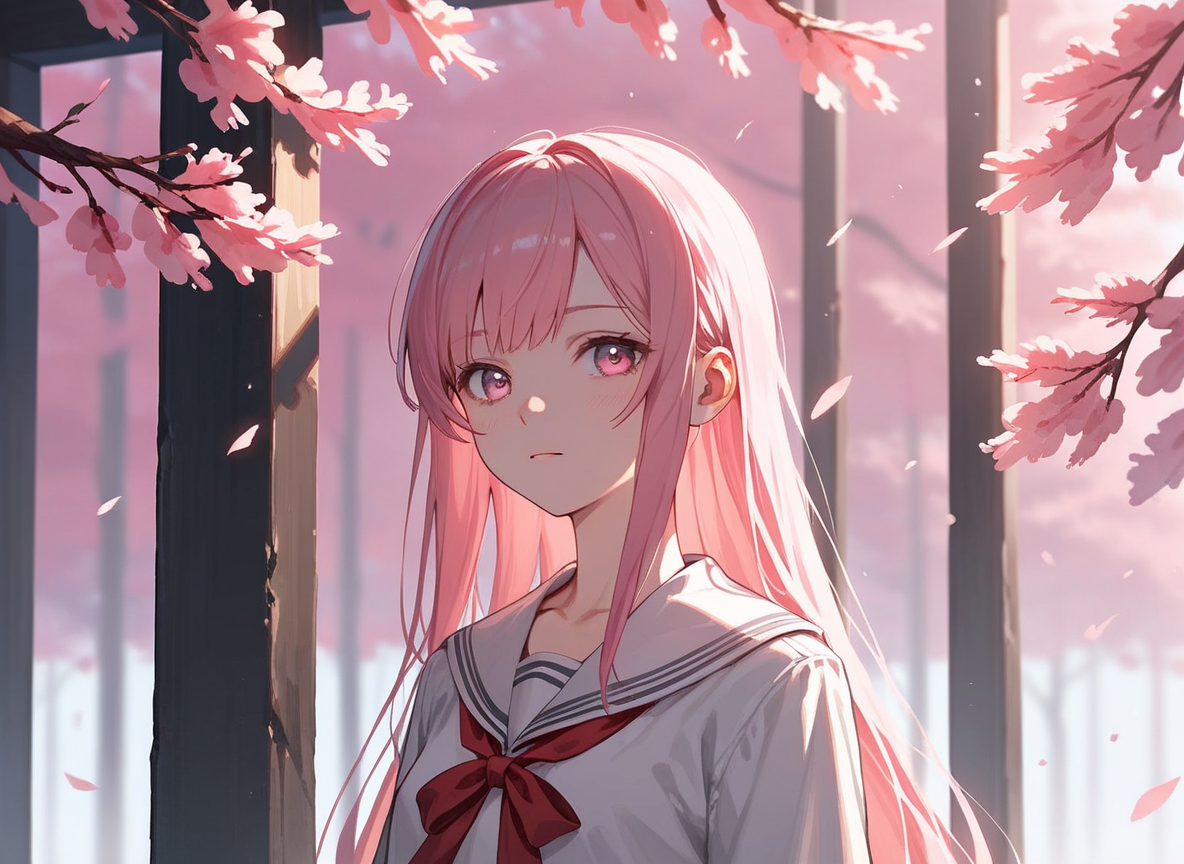
Anime Portrait

Anime Portrait

3:4 · score_9 lead · 1 credit

score_9, score_8_up, score_7_up, anime style portrait of a young woman with long pink hair and emerald eyes, wearing a school uniform with red ribbon, soft natural lighting, cherry blossoms drifting in background, masterpiece, best quality

"score_9, score_8_up, score_7_up" leads. "masterpiece, best quality" closes. In between, list visual elements as comma-separated tags. This is the canonical PonyXL prompt shape — adapt it to your subject and the model produces consistent anime output.

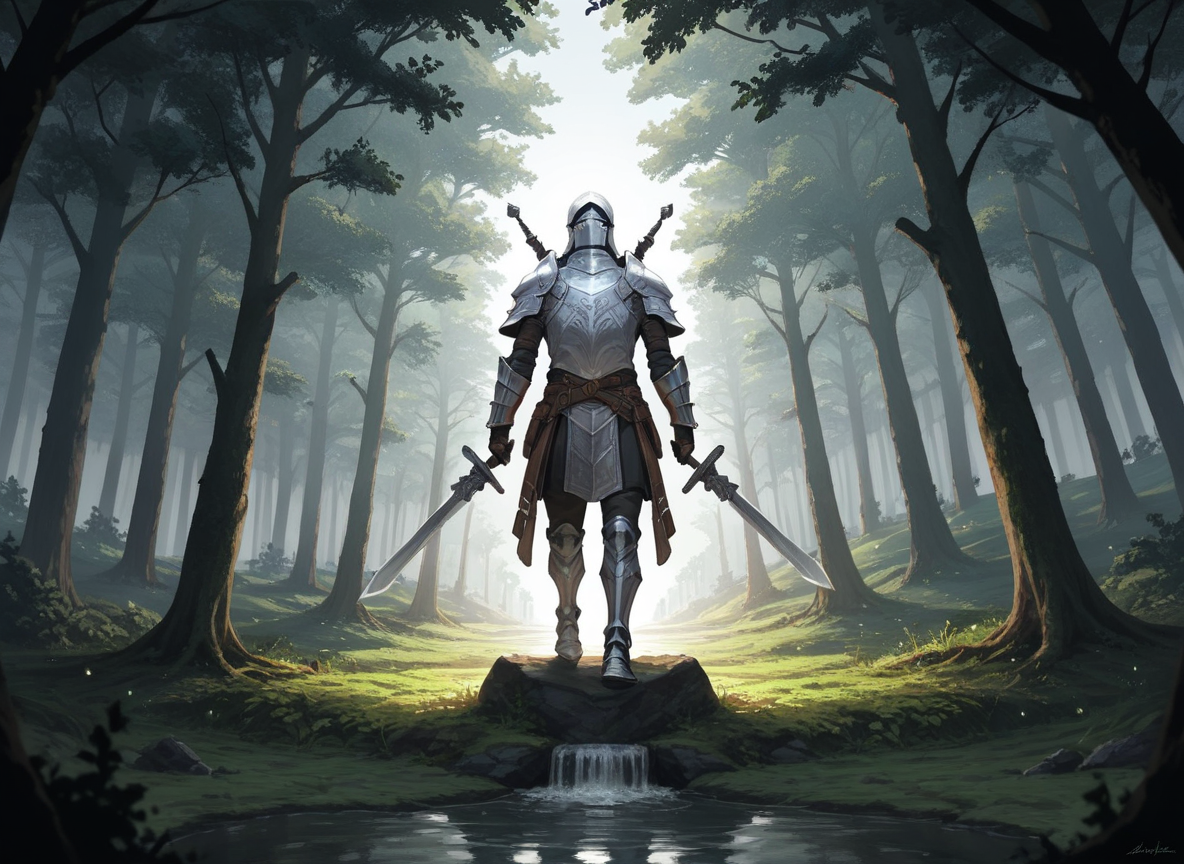
Fantasy Knight

Fantasy Knight

16:9 · score_9 lead · 1 credit

score_9, score_8_up, anime fantasy illustration of a knight in ornate silver armor standing in a moonlit ancient forest, glowing magical runes floating around the blade of his sword, dramatic lighting, detailed

Fantasy + anime is PonyXL's sweet spot. Pair score tags with explicit setting (moonlit forest), specific costume detail (ornate silver armor), and one magical element (glowing runes). Less is more — list 4-6 key elements rather than padding with adjectives.

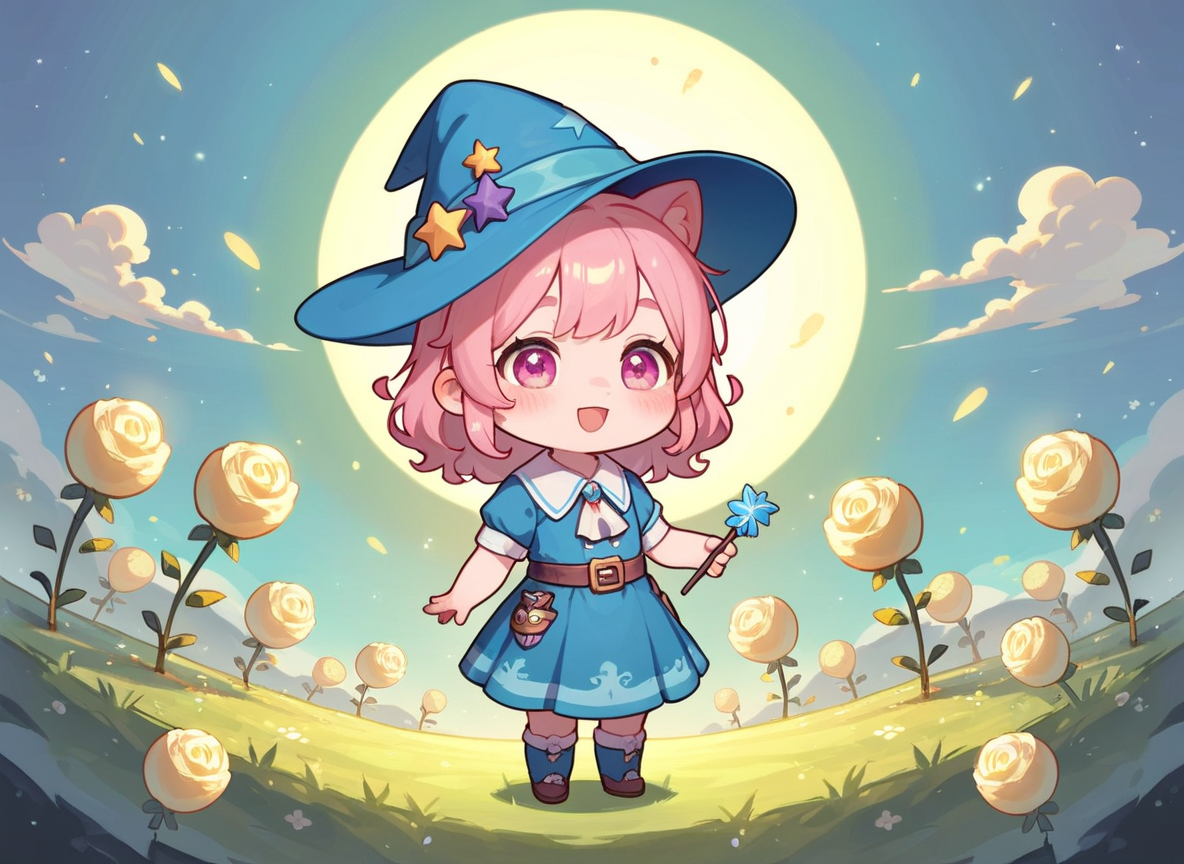
Chibi Cat Wizard

Chibi Cat Wizard

1:1 · score_9 lead · 1 credit

score_9, score_8_up, chibi-style illustration of a small cat wizard wearing a tiny pointed blue hat, casting a glittering rainbow spell, soft pastel colors, cute storybook aesthetic

"chibi-style" + "cute storybook aesthetic" anchors the model into the chibi register. Score tags still required even for chibi — they're the quality gate, not the style gate. "soft pastel colors" anchors the palette.

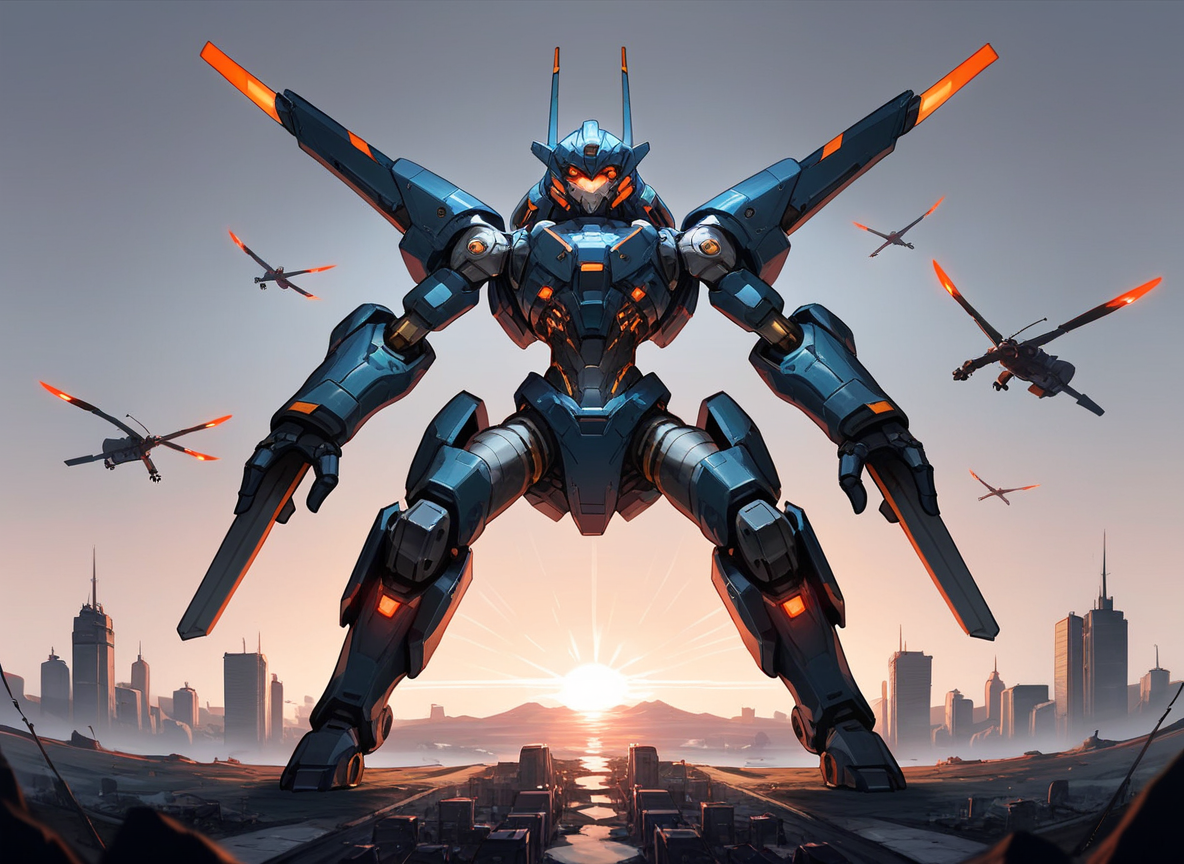
Mecha at Sunset

Mecha at Sunset

16:9 · score_9 lead · 1 credit

score_9, score_8_up, anime mecha illustration of a sleek humanoid robot in a futuristic city at sunset, glowing engine vents, cinematic composition, detailed mechanical parts

"anime mecha illustration" + "detailed mechanical parts" + "cinematic composition" — PonyXL renders mecha with both anime line art and mechanical detail cleanly. "Glowing engine vents" gives one lighting element to anchor the time of day.

Prompting Tips

Always lead with score tags

"score_9, score_8_up, score_7_up" in that exact order, comma-separated, at the start of every prompt. This is non-negotiable for PonyXL — without these tags quality drops dramatically. They are the quality gate, not the style gate.

Tag-style prompting works best

PonyXL reads booru-style tag prompts (comma-separated visual elements) better than prose. "long pink hair, emerald eyes, school uniform, red ribbon" beats "a girl with pink hair and green eyes wearing a school uniform with a red ribbon".

Close with quality tags

"masterpiece, best quality, detailed" at the end of the prompt reinforces output quality. Use sparingly — over-stuffing quality tags can compress visual specificity. Two or three at the end is the sweet spot.

Skip photoreal subjects

PonyXL is anime-tuned. It can produce semi-realistic output but it's not the right tool for photography, product shots, or documentary realism. For those, use FLUX, Seedream, or other photoreal-first models. PonyXL excels on stylized.

Don't over-tag

PonyXL responds best to 8-15 visual element tags, not 40-50. Over-tagged prompts produce muddled output where the model tries to fit too much detail into one composition. Pick the essential elements; let the model fill in the rest.

Aspect by composition

3:4 for character portraits. 16:9 for landscape / action / mecha. 1:1 for chibi / icon / square social. 9:16 for vertical full-body character. Generate at the right aspect — PonyXL composes differently per ratio.

Settings Reference

SettingValuesNotes
Quality tagsscore_9, score_8_up, score_7_upRequired for top-tier output. Lead with these in every prompt.
Aspect ratio1:1 · 3:4 · 4:3 · 9:16 · 16:9 · 2:3 · 3:2Standard aspect coverage. 3:4 for portrait, 16:9 for landscape/mecha.
Batch size1–4 per callEach output counts as its own credit charge.
Negative promptString (optional)"low quality, blurry, distorted, watermark, signature" is a sane default.
SeedInteger (optional)Pin for reproducibility across re-runs.
Pricing1 credit per imageFlat pricing across all aspects.

FAQ

PonyXL's training dataset uses a quality-tier scoring system, and the model learned to associate the score_9 / score_8_up / score_7_up tags with the highest-quality outputs. At inference time, leading with these tags steers the model toward top-tier output. Without them, you get below-median quality. They're a critical inference detail, not an optional tag.