LoRA training Automatic1111 AI Generator
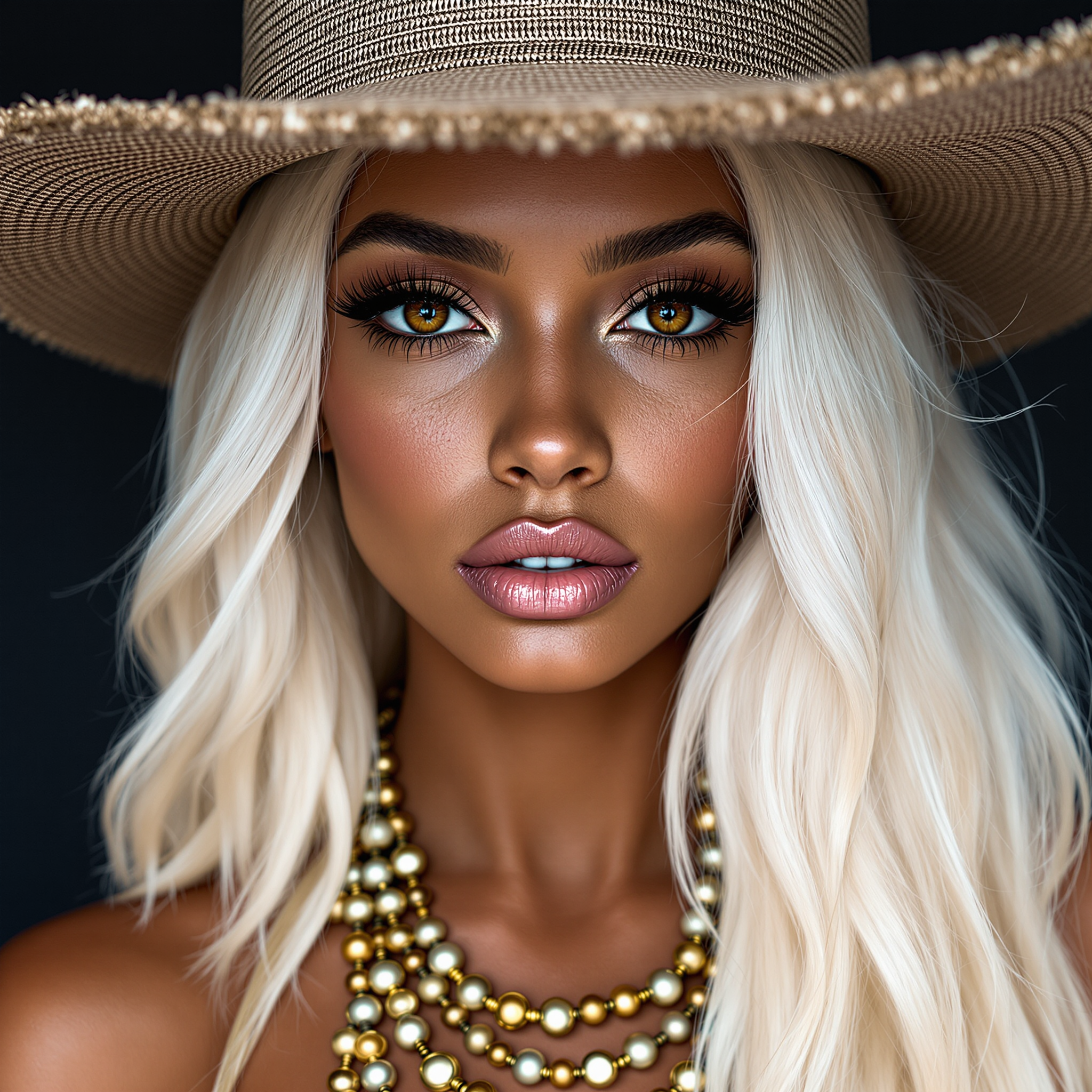
Unlock the power of personalized AI image generation with LoRA training in Automatic1111. By fine-tuning AI models to your specific needs, you can create unique, high-quality images that stand out. Whether you're an artist, designer, or content creator, mastering LoRA training empowers you to bring your creative visions to life with precision and efficiency.
Join thousands of creators who have enhanced their AI image generation with LoRA training in Automatic1111, achieving personalized and high-quality results.
Why Choose Pixel Dojo for LoRA training Automatic1111
Professional-quality results with cutting-edge AI technology
Achieve Personalized Image Styles
Fine-tune AI models to reflect your unique artistic vision, resulting in images that truly represent your style.
Enhance Image Quality
Improve the fidelity and detail of generated images by tailoring models to specific subjects or styles.
Optimize Resource Usage
Utilize LoRA's efficient fine-tuning to achieve high-quality results without extensive computational resources.
How It Works
Creating custom AI-generated images with LoRA training in Automatic1111 involves a straightforward process:
Step 1: Prepare Your Training Data
Gather a diverse set of images that represent the style or subject you want the AI model to learn. Ensure these images are high-quality and well-tagged for optimal training results.
Step 2: Set Up Automatic1111 with LoRA
Install the Automatic1111 web-based user interface for Stable Diffusion. Integrate LoRA by adding the necessary files to the appropriate directories and configuring the settings to enable LoRA training.
Step 3: Train Your LoRA Model
Use the prepared dataset to train your LoRA model within Automatic1111. Adjust parameters such as learning rate and number of epochs to fine-tune the model effectively.


The Pixel Dojo Advantage
Why choose LoRA training with Automatic1111 for your AI image generation needs?
| Others | Pixel Dojo |
|---|---|
| Traditional AI Model Fine-Tuning | LoRA offers a more efficient and resource-friendly approach to fine-tuning, reducing the need for extensive computational power. |
| Generic AI Image Generators | LoRA training allows for personalized model adjustments, resulting in images that better match your specific style or subject requirements. |
| Manual Image Editing | Automate the creation of custom images with AI, saving time and effort compared to manual editing processes. |
Loved by creators on PixelDojo
Real feedback from people using PixelDojo, pulled from our in-product surveys.
it's very easy to use
Practically every Ai suite in one place? Who wouldn't?
versatile menu of tools
Best AI tool availble the suite is rad
Versatility quality, value, ROI, innovation
variety of tools available and prompt tools
Explore more AI tools on PixelDojo
AI Tools
Compare & Switch
- Best AI Image Generators
- Best AI Video Generators
- Midjourney Alternatives
- Civitai Alternatives
- Runway Alternatives
- Leonardo Alternatives
- Pika Alternatives
- Luma Alternatives
- Magnific Alternatives
- Veo Alternatives
- Flux Alternatives
- Freepik Alternatives
- Seedance Alternatives
- Seedream Alternatives
- Pixverse Alternatives
- GPT Image Alternatives
- Synthesia Alternatives
- Playground Alternatives
- NightCafe Alternatives
- Canva AI Alternatives
- ElevenLabs Alternatives
- ComfyUI Alternatives
- Fal Alternatives
- Replicate Alternatives
Common Questions
Everything you need to know about LoRA training Automatic1111
What is LoRA training in Automatic1111?
LoRA (Low-Rank Adaptation) training in Automatic1111 allows users to fine-tune AI models efficiently, enabling the creation of personalized and high-quality images without extensive computational resources.
How many images are needed to train a LoRA model?
It's recommended to use 30-150 well-tagged images for training a LoRA model. However, a smaller set of high-quality images can also yield effective results.
Do I need to crop images before training a LoRA model?
No, images of any aspect ratio and size can be used for training. The training process automatically resizes them while preserving their aspect ratio.
How long does it take to train a LoRA model?
Training time varies depending on your hardware and dataset size but typically ranges from 15 minutes to 2 hours.
Can I use LoRA models with other AI image generation tools?
Yes, LoRA models are compatible with various AI image generation tools, including Automatic1111, allowing for flexible integration into different workflows.
Is LoRA training suitable for beginners?
Absolutely. LoRA training offers a user-friendly approach to fine-tuning AI models, making it accessible for beginners while providing advanced capabilities for experienced users.