Leonardo AI Alternatives
Generated on PixelDojo. Produced by PixelDojo's generation pipeline.
The best Leonardo AI alternatives on PixelDojo are Flux 2 Pro for premium image quality, P-Image for speed, krea-v2 for balanced results, Nano Banana Edit for editing, luma-uni-1 for cinematic visuals, and OpenAI Image 1 for prompt reliability. To make the comparison credible, PixelDojo ran every model on the same scene: "a tropical waterfall into a turquoise lagoon, lush jungle, sun rays." The recorded generation times ranged from 5.1 seconds with P-Image to 62.1 seconds with luma-uni-1, giving a clear view of both output focus and speed.
Real image examples generated on PixelDojo
Every example below was produced on PixelDojo. Hover to see the prompt.
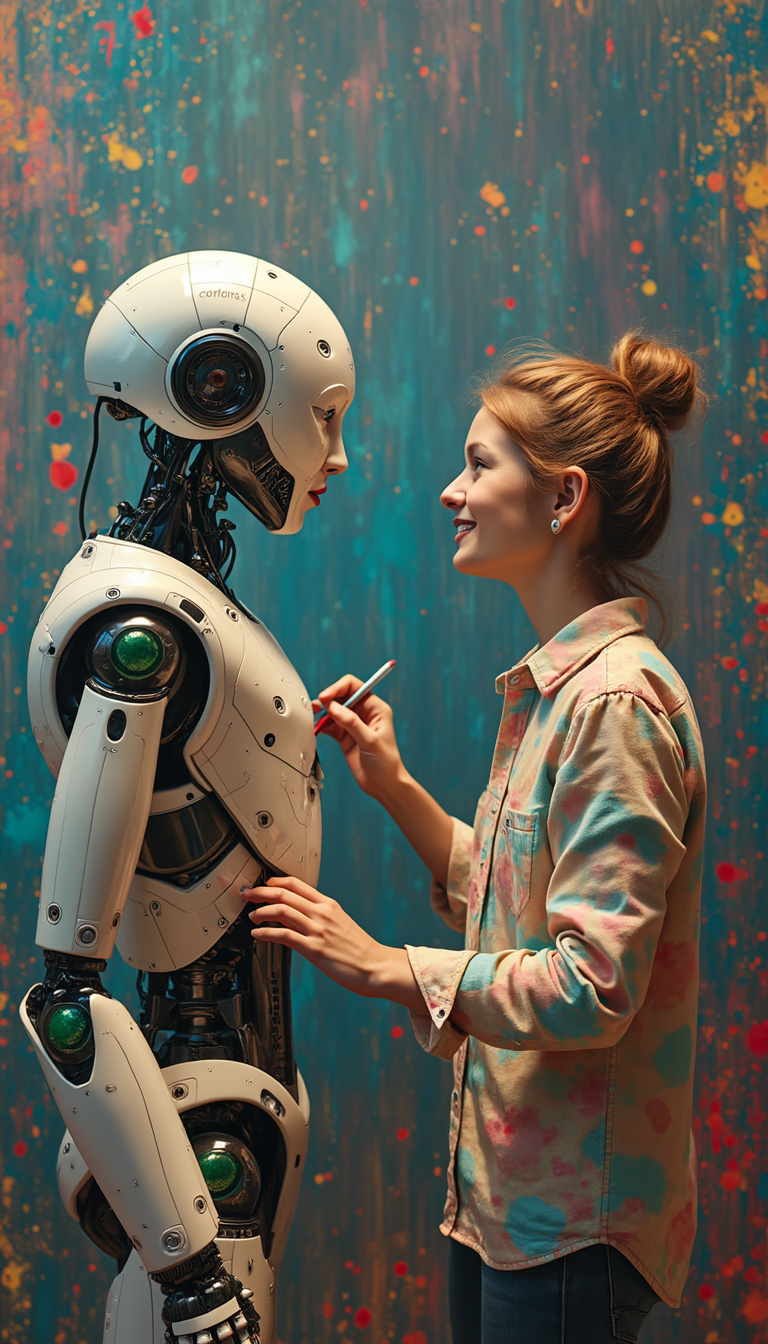
Image of an ai painting a human and a human painting an ai
flux
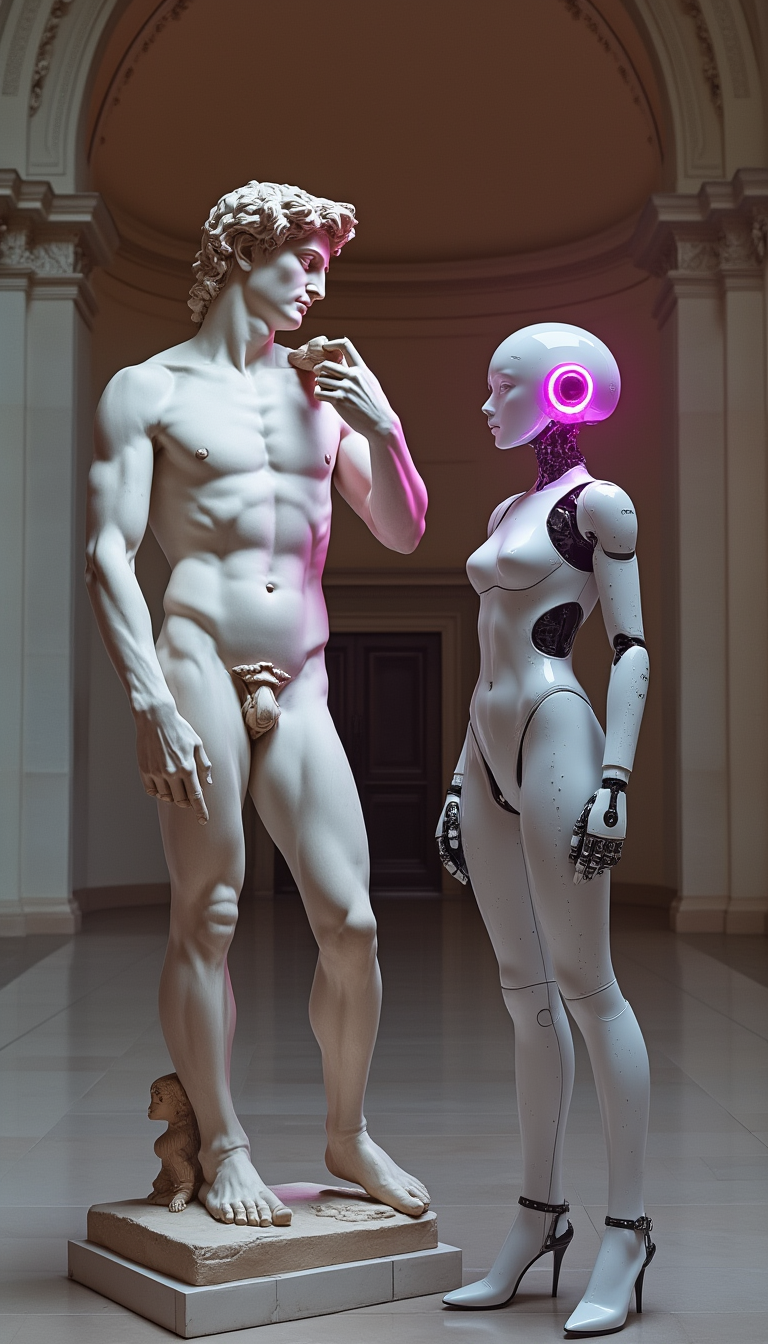
Full-length statue of Michaelangelo’s David and white futuristic female robot discussing a…
flux

Leonardo AI Alternatives on PixelDojo
flux
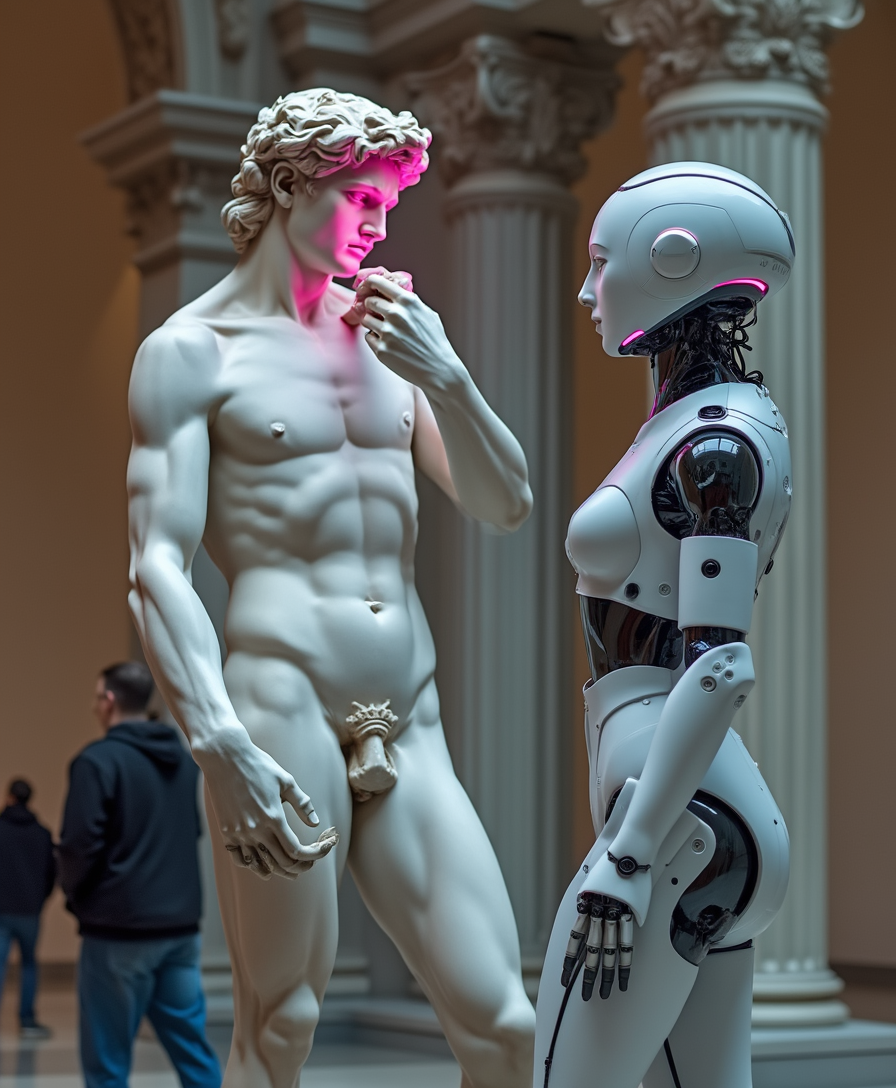
Full-length statue of Michaelangelo’s David and white futuristic female robot discussing a…
flux
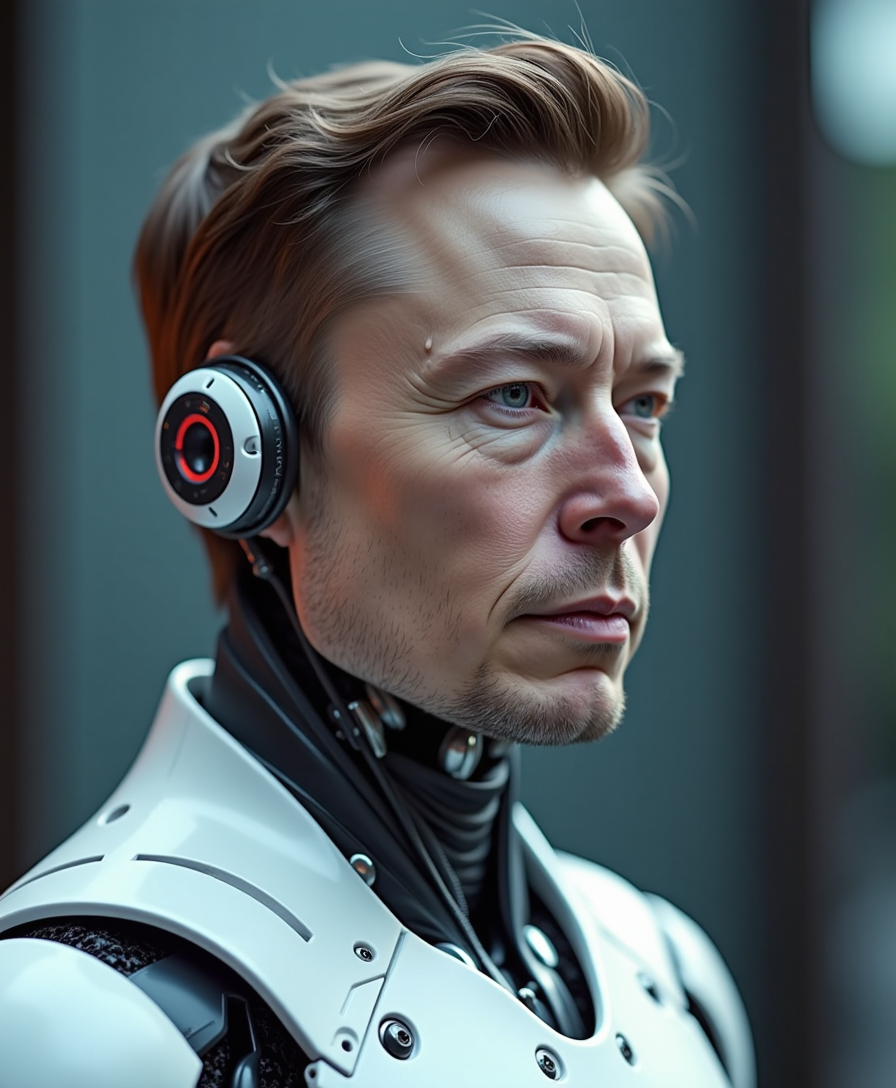
Futuristic humanoid half Elon Musk
flux
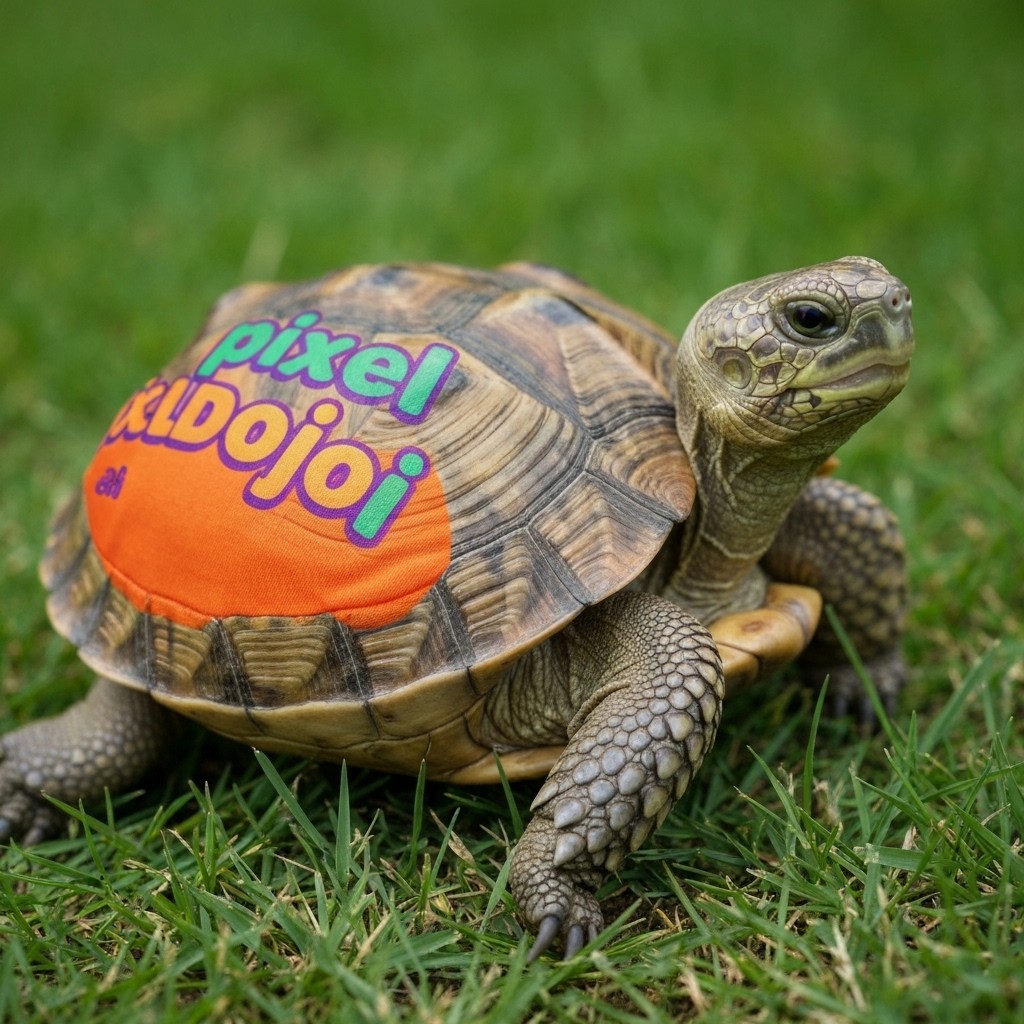
A turtle that is wearing a shirt that says pixeldojo
imagen
Models you can run on PixelDojo for Leonardo AI Alternatives
Switch models without switching tools. Each one runs in the same PixelDojo studio.
What you can do with Leonardo AI Alternatives on PixelDojo
Multiple Image Generation Models
We integrate several image generation models in one workspace. Creators select the model that fits their current project.
Adjustable Generation Parameters
We allow detailed adjustment of settings like steps and guidance. This helps refine outputs without starting over.
Consistent Character Output Tools
We provide options to maintain subject consistency across images. Creators build series with matching elements.
Project Based Image Organization
We organize generations into separate projects. Creators manage and revisit their work easily.
PixelDojo compared all six models using the identical waterfall prompt and recorded real generation times inside the same workflow.
Why Choose Pixel Dojo for Leonardo AI Alternatives
Professional-quality results with cutting-edge AI technology
Compare models without switching tools
PixelDojo gives creators access to multiple leading image models in one place, so Leonardo AI alternatives can be judged side by side instead of across separate platforms.
Choose by speed, style, or control
The same prompt revealed clear differences: P-Image was fastest at 5.1 seconds, Flux 2 Pro delivered a premium option at 13.6 seconds, and luma-uni-1 took longer at 62.1 seconds for a more cinematic direction.
Use real timing data
Every model was run on the same tropical waterfall scene, making the comparison easier to trust than generic feature lists or isolated gallery examples.
How It Works
Start with the same prompt
Use a single scene or campaign idea, such as the tropical waterfall prompt, to keep the comparison fair across every model.
Run multiple models in PixelDojo
Generate the scene with Flux 2 Pro, Nano Banana Edit, krea-v2, luma-uni-1, P-Image, and OpenAI Image 1 from the same workspace.
Pick the best result for the job
Select the model based on the goal: fastest draft, polished hero image, edit-friendly output, cinematic mood, or prompt accuracy.
Loved by creators on PixelDojo
Real feedback from people using PixelDojo, pulled from our in-product surveys.
All the tools, plus the guidance
Excellent tools. Ease of use. Well thought out interface. Wide variety of AI tools and features which are up to date with more added each month
I really like how the site is kept up to date, and the leaderboard (where I'm currently #11 most popular artist)
This is the best image generator I've used so far. Well done!
es facil de comprender asi uno no sea programador
amazing web site
Explore more AI tools on PixelDojo
AI Tools
Compare & Switch
- Best AI Image Generators
- Best AI Video Generators
- Midjourney Alternatives
- Civitai Alternatives
- Runway Alternatives
- Pika Alternatives
- Luma Alternatives
- Magnific Alternatives
- Veo Alternatives
- Flux Alternatives
- Freepik Alternatives
- Seedance Alternatives
- Seedream Alternatives
- Pixverse Alternatives
- GPT Image Alternatives
- Synthesia Alternatives
- Playground Alternatives
- NightCafe Alternatives
- Canva AI Alternatives
- ElevenLabs Alternatives
- ComfyUI Alternatives
- Fal Alternatives
- Replicate Alternatives
Common Questions
Everything you need to know about Leonardo AI Alternatives
What is the best Leonardo AI alternative overall?
Flux 2 Pro is the strongest overall choice in this PixelDojo comparison when quality and speed both matter. It completed the shared tropical waterfall scene in 13.6 seconds.
Which Leonardo AI alternative is fastest?
P-Image was the fastest model in the PixelDojo test, completing the same tropical waterfall scene in 5.1 seconds.
Which model is best for editing workflows?
Nano Banana Edit is the best fit when the task involves changing or refining an image rather than only generating a new one from a prompt. In this test, it completed the scene in 40.0 seconds.
Which model should creators use for cinematic images?
luma-uni-1 is a strong choice for cinematic direction and atmosphere. It was the slowest model in this test at 62.1 seconds, so it is better for deliberate final visuals than quick drafts.
Why test every model on the same scene?
Using the same prompt keeps the comparison fair. PixelDojo used "a tropical waterfall into a turquoise lagoon, lush jungle, sun rays" for every model and recorded the real generation time for each one.