Black Forest Labs' FLUX 3 Image: photoreal, exact text, real edits
FLUX 3 Image AI Generator: Photoreal Images up to 4K
Make photographs that look shot, not generated: real skin, real materials and real light, and edit your own images while keeping everything you ask it to keep.
FLUX 3 Image is the image model from Black Forest Labs, the makers of FLUX. Write a prompt and get a photoreal image from a quick 768 square draft up to 4K. Attach up to 10 reference images and the same prompt edits, recolors or combines them. Web grounding lets it look up real places and products before it draws. On Pixel Dojo it comes with every top image model in one plan, six studios and Sensei, the AI director, with commercial use on every plan. We made every image on this page here, and each one comes with the exact prompt so you can start from it.
1 credit ($0.06) per image at 1K. Included in every plan, from $10/month.
Already a member? Sign in
By Brian Lovett · Updated
Why FLUX 3 Image looks like a real photograph
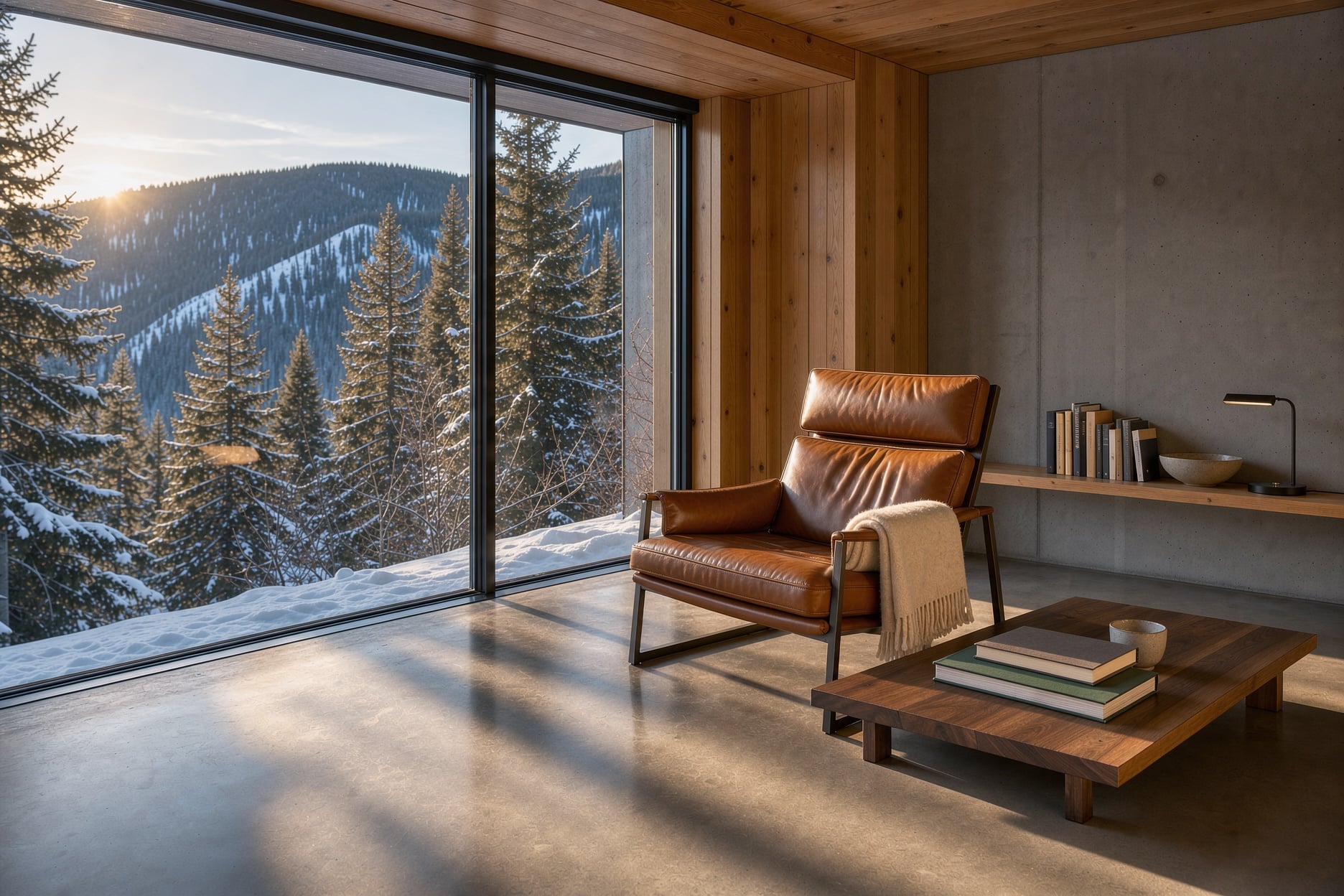
FLUX 3 Image is built for photographs that hold up when you look closely. Our ceramicist portrait keeps every line of her face and every fleck of clay on her jacket, and the cabin interior gets concrete, oak, leather and wool right in one frame.
It follows long, specific prompts. Black Forest Labs recommends writing the image type first, then the subject, the setting, the light and the framing, and that order is how we wrote every prompt on this page. You can also keep it short: the model expands a one line idea into a detailed description before it draws.
Text comes out clean. Put the exact words in quotes and say where they go. Our NIGHT TIDES poster printed all three strings as written, in three sizes.
One tool does both jobs. Leave the reference slot empty for text to image, or attach up to 10 images and describe the change. We used our own product shot as the reference for the edits below.
What you can create with FLUX 3 Image
Seven images we made on Pixel Dojo at 1.5k: an interior, an editorial portrait, a gig poster with exact text, a product hero, a food spread, a night market candid and ultra wide concept art. Tap Use this prompt on any tile to start from it.
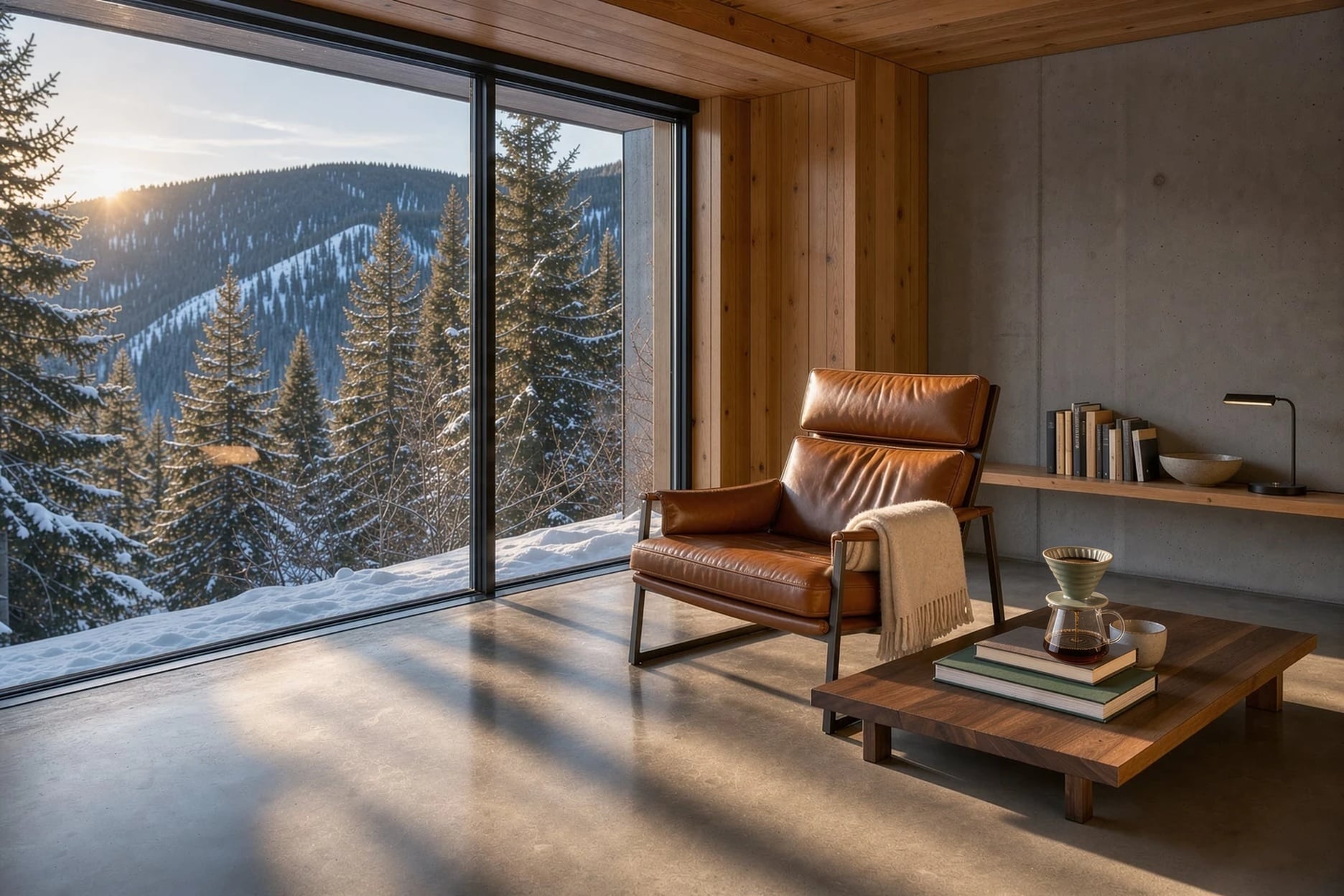
Architecture and interiors at 1.5k, 3:2. Straight verticals, real material read on concrete, oak, leather and wool, and low sun laid across the floor. Start from this prompt for a listing, a hotel page or a furniture banner.
Architectural interior photograph of a concrete and oak reading room in a mountain cabin. A floor to ceiling window frames snowy pine slopes, a single cognac leather lounge chair with a cream wool throw sits beside a low walnut table with a stack of books. Late afternoon sun casts long window shadows across a polished concrete floor. Shot at eye level on a tilt shift lens with straight verticals, calm palette of grey, honey and cream.
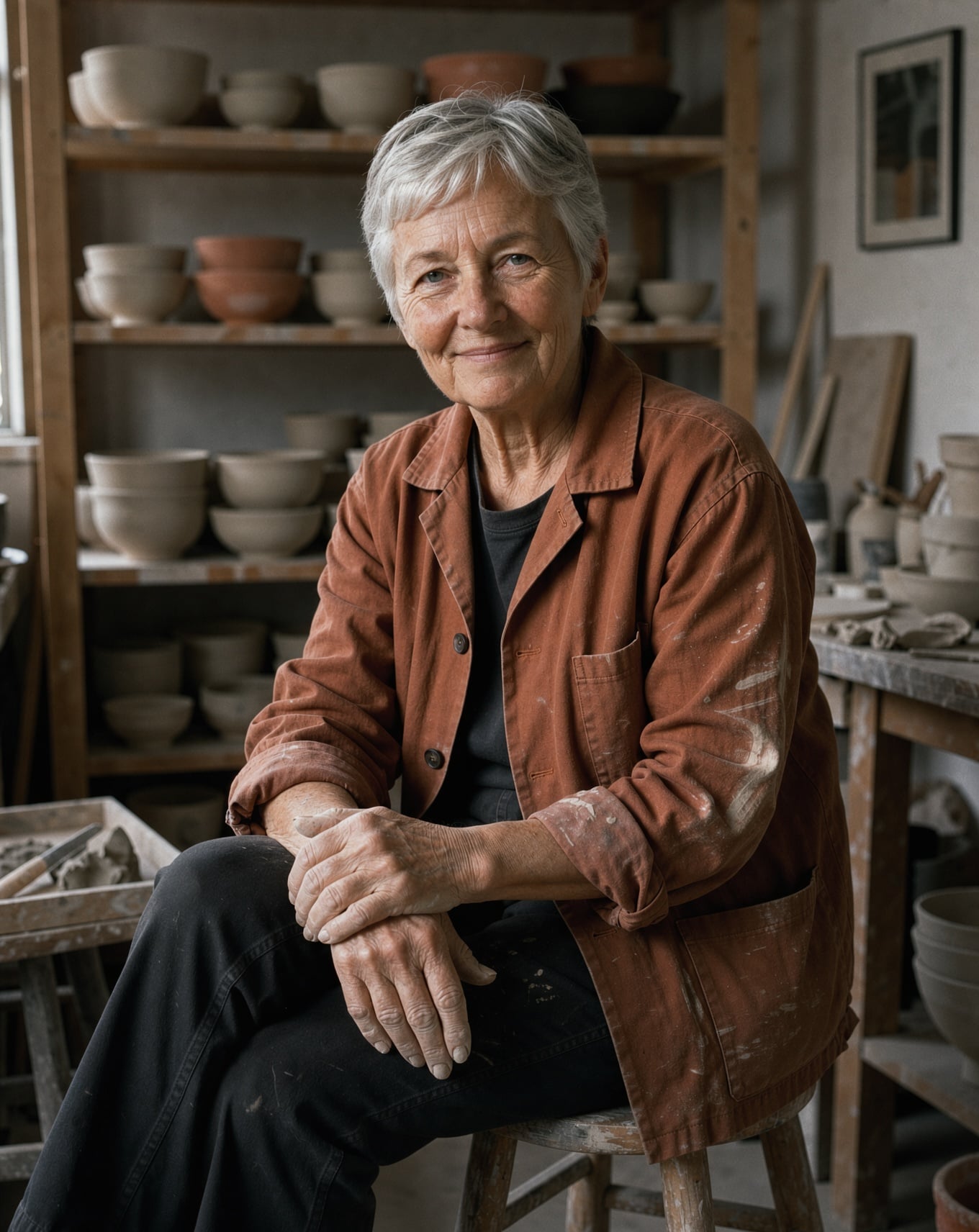
Editorial portrait at 1.5k, 4:5. Every wrinkle, freckle and fleck of clay reads as real skin and real fabric, lit from one window. Swap the craft and the wardrobe and keep the light and lens.
Editorial portrait photograph shot on medium format film. A ceramicist in her seventies with cropped silver hair and a rust colored linen work jacket sits on a wooden stool in her studio, clay dusted hands folded on one knee, looking straight into the lens with a calm half smile. Shelves of unglazed bowls fade into shadow behind her. Soft north window light from the left, deep falloff on the right, fine grain of warm color negative film, 80mm lens at f/2.8, real skin texture.
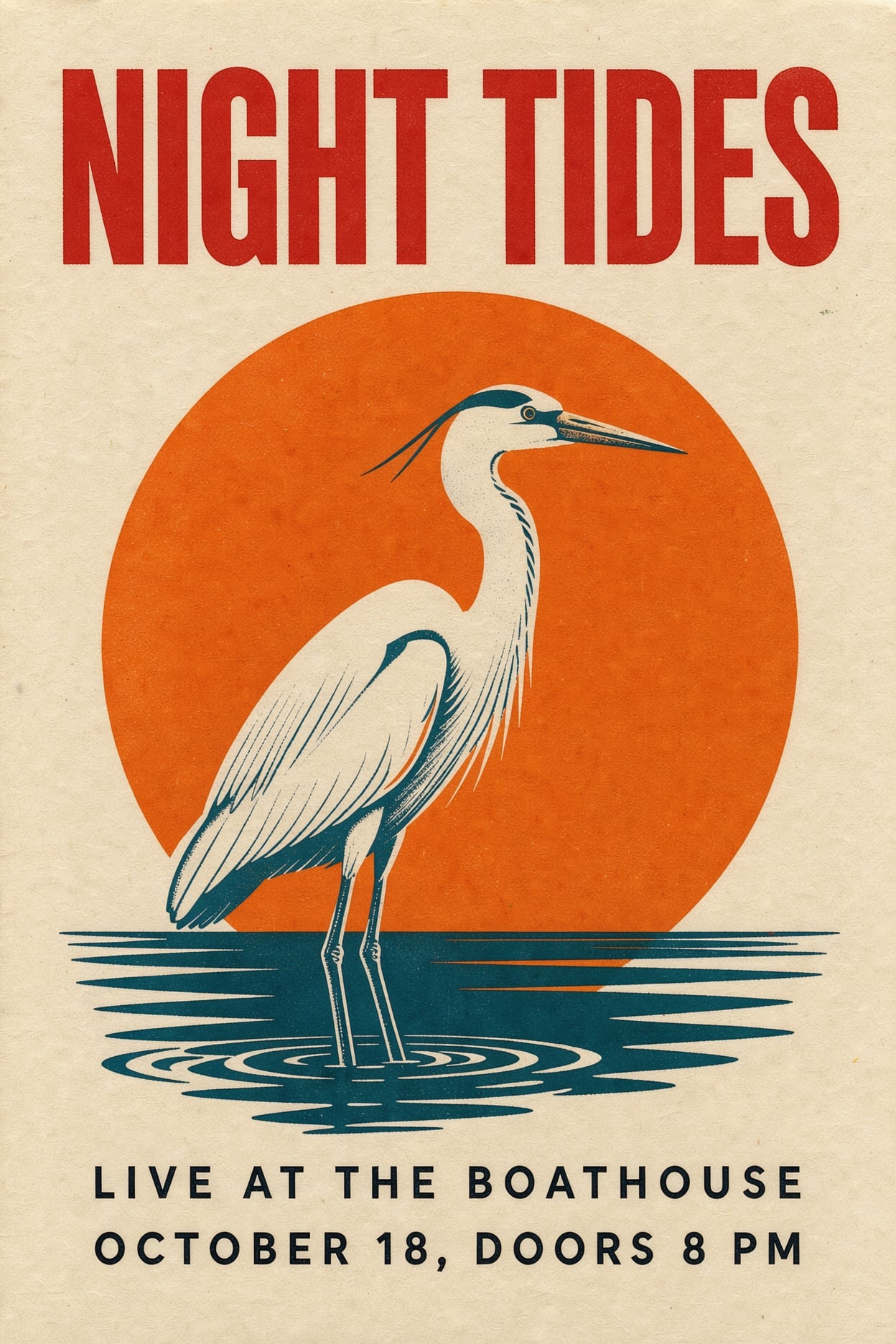
Typographic poster at 1.5k, 2:3. Three quoted strings in three sizes, each spelled exactly as written, with the screen print grain we asked for. Put your own words in the quotes.
Full color scan of a screen printed concert poster in a mid century Swiss graphic style. A huge bold red sans serif headline across the top reads "NIGHT TIDES". Below it, a flat graphic illustration of a white heron standing in dark teal water under a giant orange moon. At the bottom, two centered lines of small black capitals read "LIVE AT THE BOATHOUSE" and "OCTOBER 18, DOORS 8 PM". Cream paper with fine grain and slight ink misregistration.
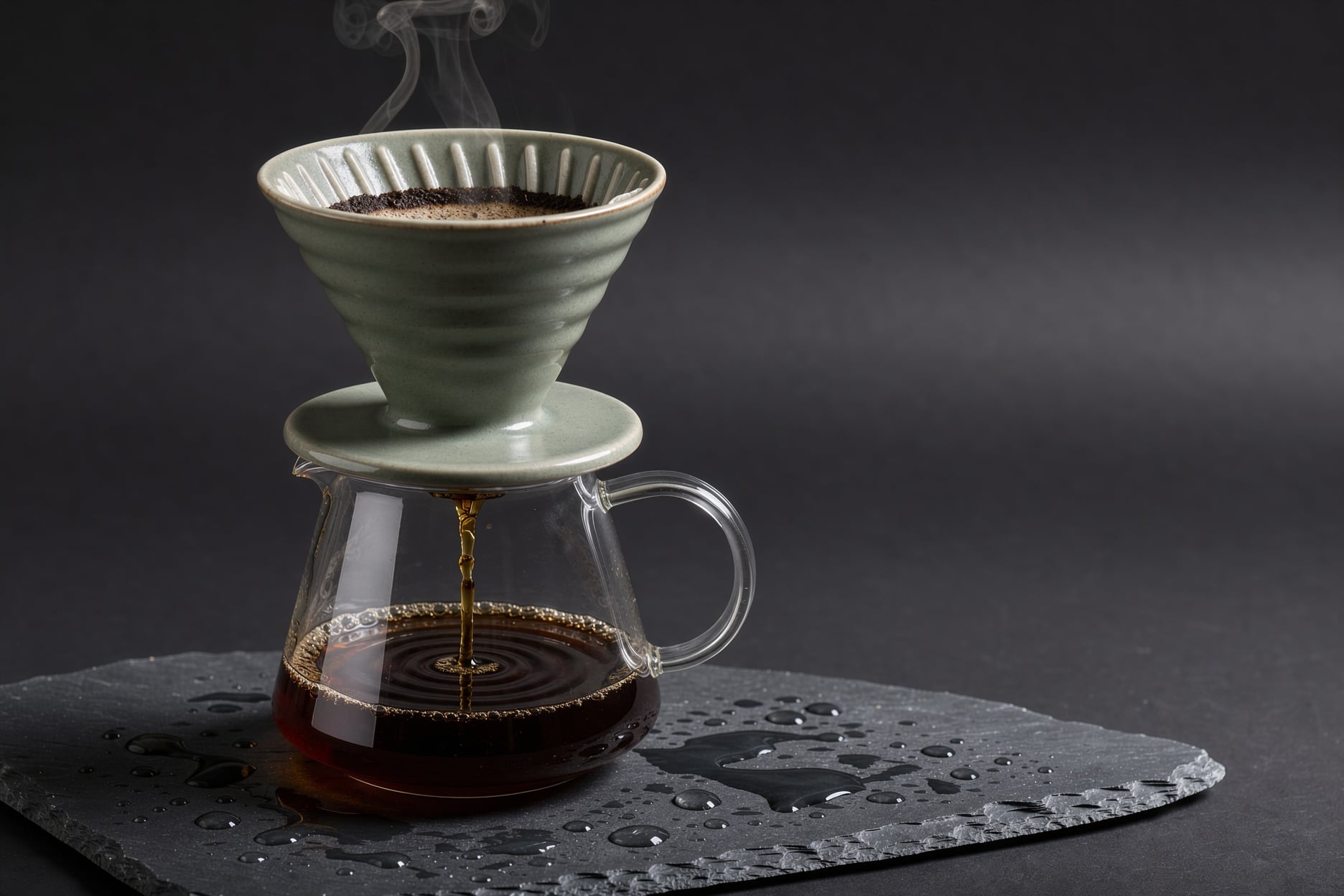
Product hero at 1.5k, 3:2. One hard key light, glaze texture you can almost touch, and clean space on the right for a headline. This is also the reference image for the edits below.
Studio product photograph of a matte sage green ceramic pour over coffee dripper resting on a clear glass carafe on a slab of dark wet slate, a thin stream of coffee falling into the carafe, a wisp of steam curling up, water droplets beading on the slate. Single hard key light from the upper left with soft fill, a deep charcoal backdrop, clean negative space on the right, 100mm macro lens, crisp ceramic glaze texture.
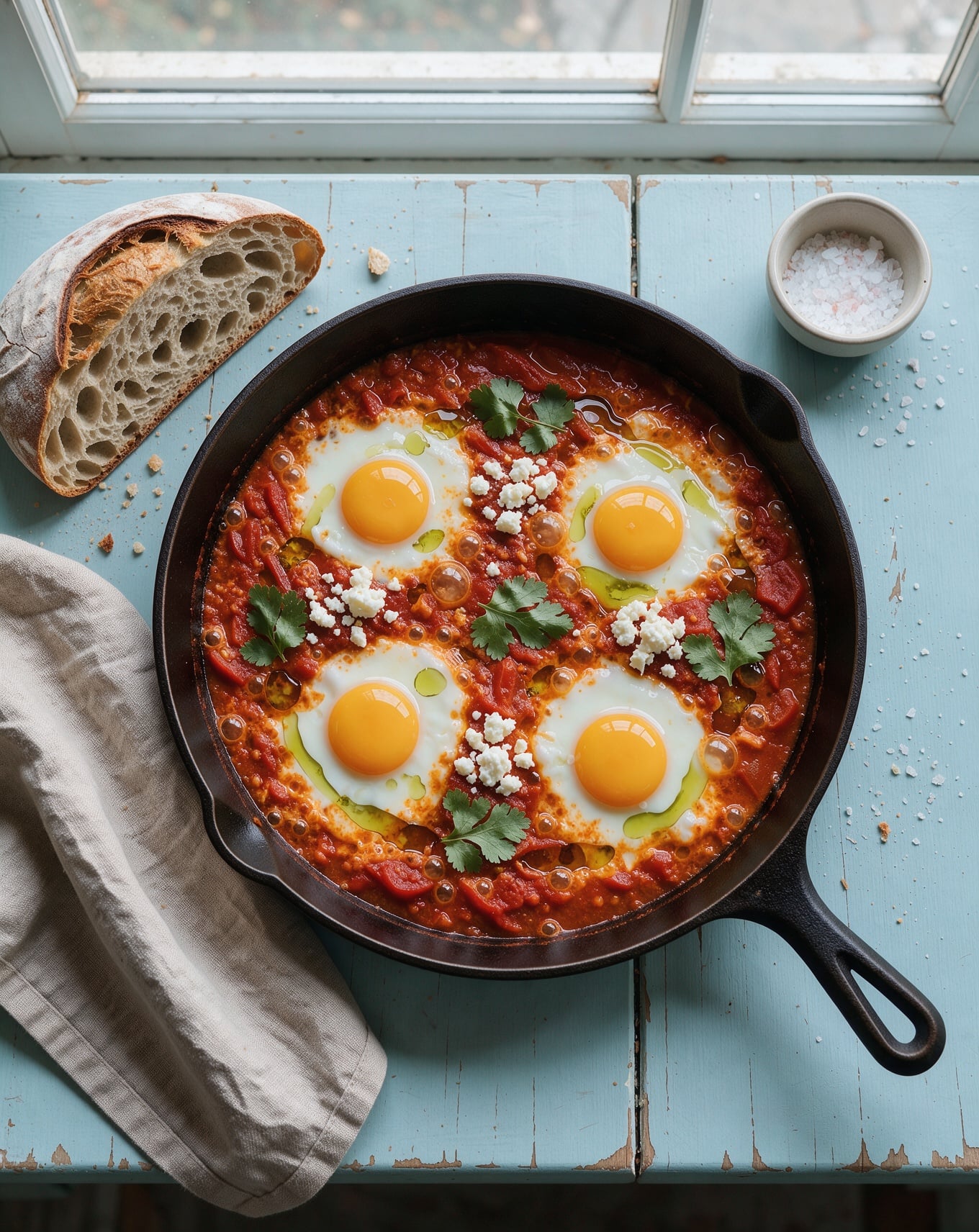
Food photography at 1.5k, 4:5. Shot straight down with every item from the prompt in its place, from the torn sourdough to the flaky salt. A ready menu or recipe card image.
Overhead food photograph of a black cast iron skillet of shakshuka with four glossy poached eggs in a bubbling spiced tomato sauce, crumbled feta, torn cilantro and a swirl of green olive oil. A torn sourdough loaf, a small bowl of flaky salt and a crumpled linen napkin sit beside it on a weathered pale blue wooden table. Soft daylight from a window at the top of the frame, shot straight down with a 50mm lens.
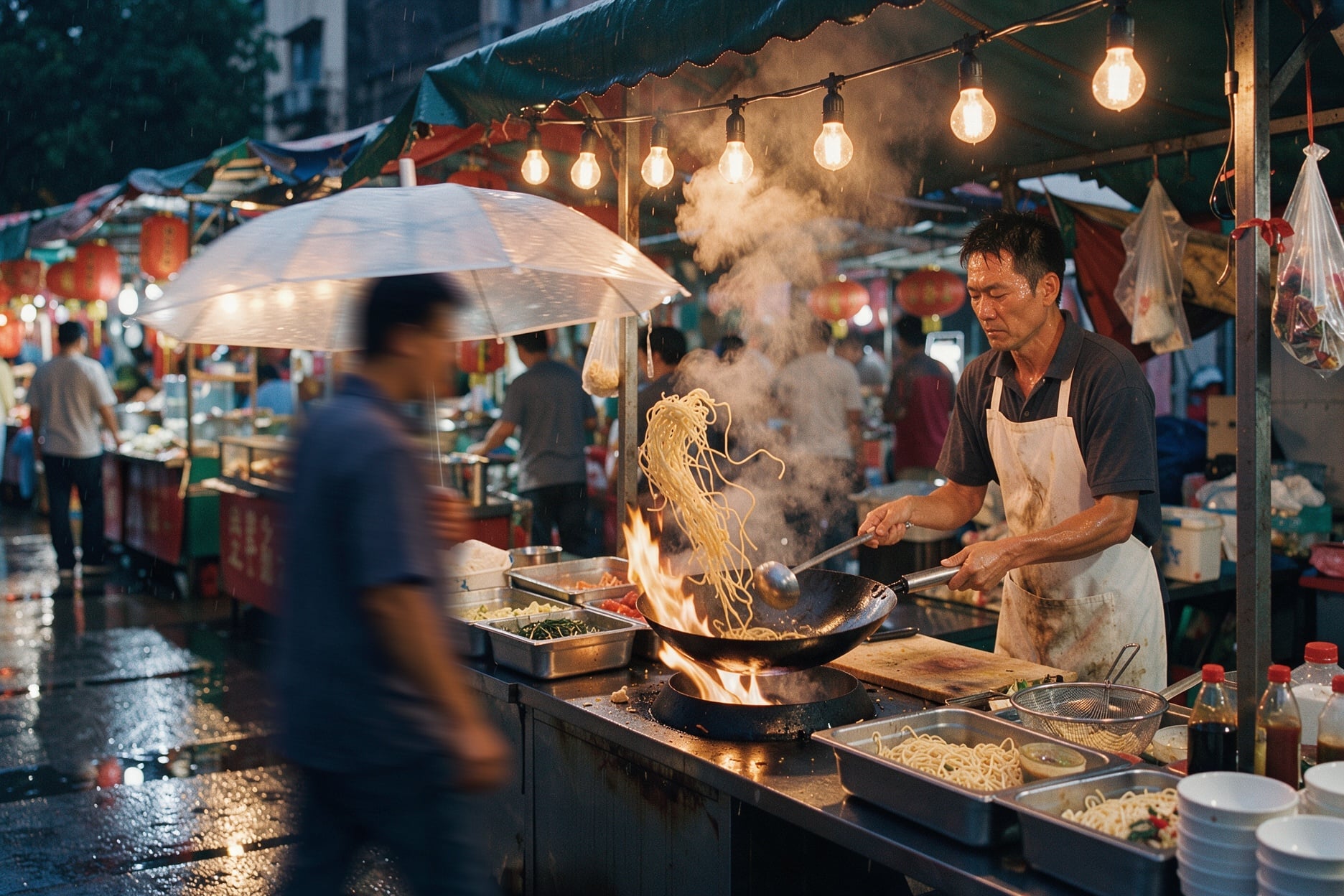
Street candid at 1.5k, 3:2. Flames, steam, motion blur and wet reflections in one frame, with the warm halation of tungsten film. Great for travel stories and editorial openers.
Candid street photograph on 35mm film at night in a rainy open air market. A cook in a white apron tosses noodles in a flaming wok under a string of bare bulbs, the flames lighting his face and the rising steam. A blurred passerby with a clear umbrella crosses the foreground, wet pavement reflects red and amber lantern light. Grainy tungsten film look with halation around the lights, 35mm lens, shallow depth of field.
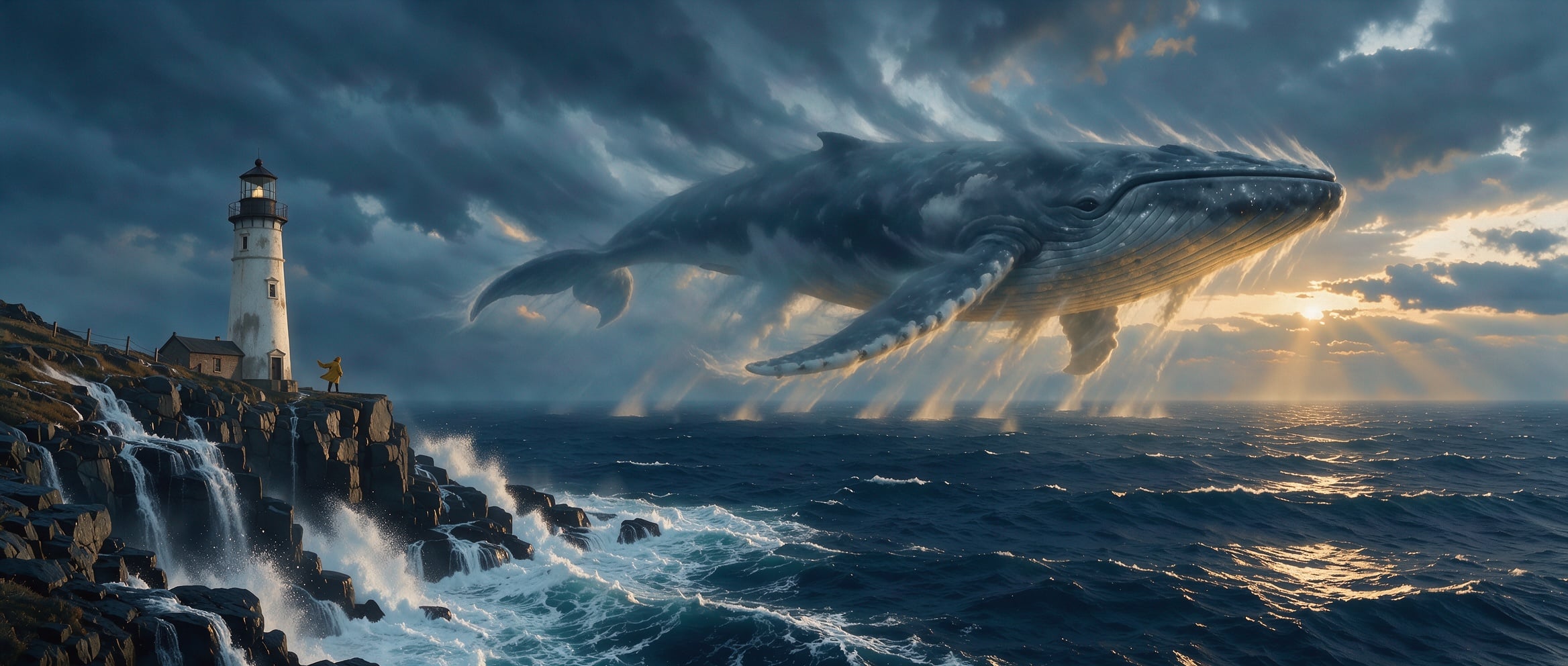
Concept art at 1.5k, 21:9. An ultra wide matte painting with a tiny figure for scale and god rays under the whale. Native 21:9 framing for key art, banners and pitch decks.
Epic concept art matte painting, ultra wide cinematic shot. A lone lighthouse keeper in a yellow oilskin coat stands on a black sea cliff beside a white lighthouse, watching a colossal whale formed from drifting storm clouds swim across the sky above the ocean, its belly lit gold by the setting sun breaking through. White surf crashes on the rocks far below, the keeper is a tiny figure for scale. Painterly detail, atmospheric perspective, deep blue and gold palette.
FLUX 3 Image editing, compositing and web grounding
Three things that set FLUX 3 Image apart, shown on images from this page. The first two use our sage dripper shot as a reference: a recolor edit and a two image composite. The third is a real landmark made with web grounding on. Attach the reference with the Image button before you reuse the edit prompts.
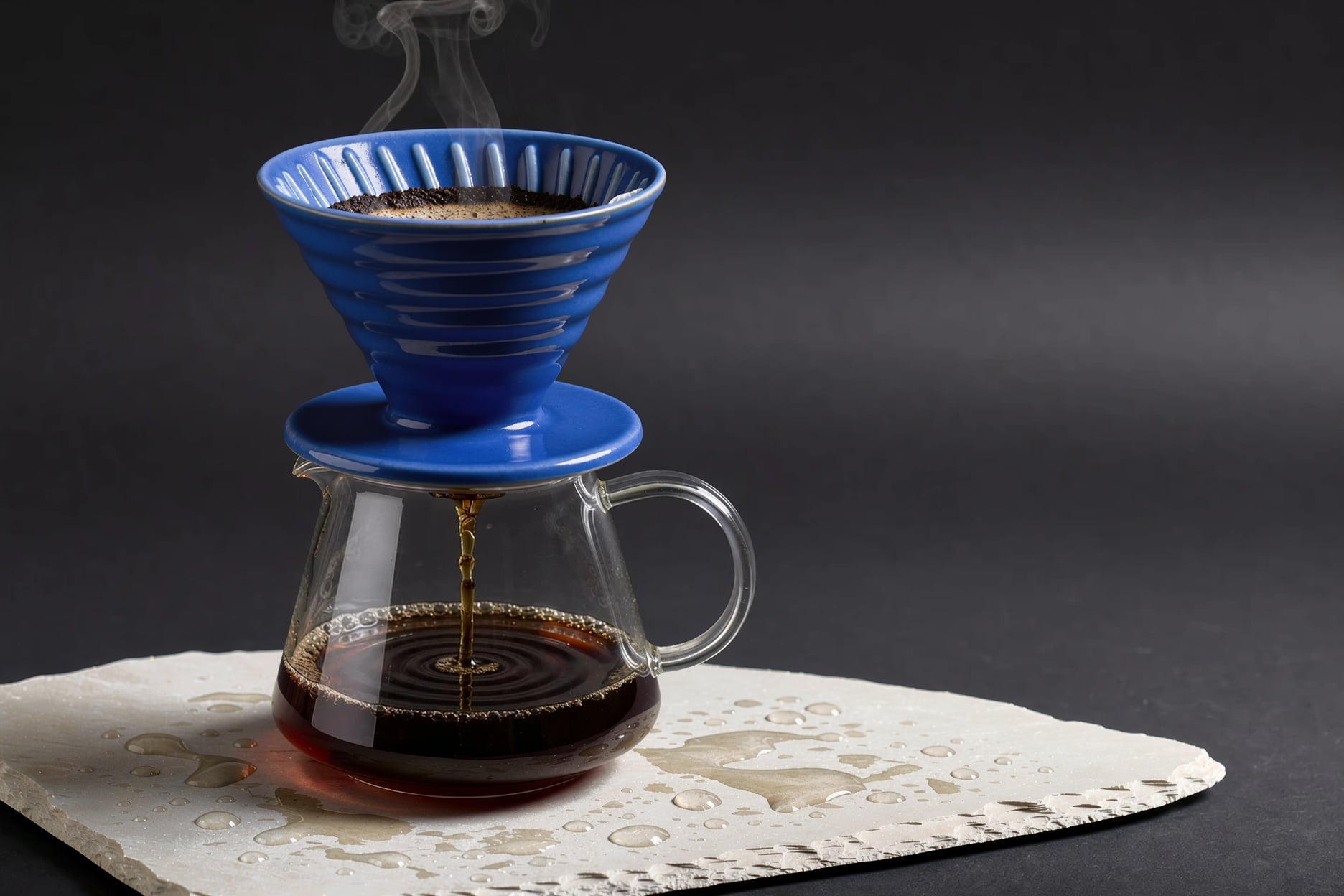
One reference edit at 1.5k for 1 credit. We attached the sage dripper shot as image 1 and asked for a hex color and a new stone. The carafe, the coffee stream, the steam and every droplet stayed where they were.
Change the dripper and its saucer in image 1 to a glossy cobalt blue glaze (#1f4fd8) and change the dark slate slab to pale cream travertine stone. Keep the glass carafe, the coffee stream, the steam, the water droplets, the lighting and the framing exactly the same.
Two reference composite at 1.5k for 1 credit. Image 1 is the reading room and image 2 is the dripper. FLUX 3 Image placed the product on the table in the room's own light and kept the chair, the view and the camera angle.
Put the sage green ceramic dripper and glass carafe from image 2 on the walnut table in image 1, beside the stack of books, lit by the warm late afternoon window light of image 1 with a soft shadow on the table. Keep the room, the leather chair, the window view and the camera angle of image 1 exactly the same.
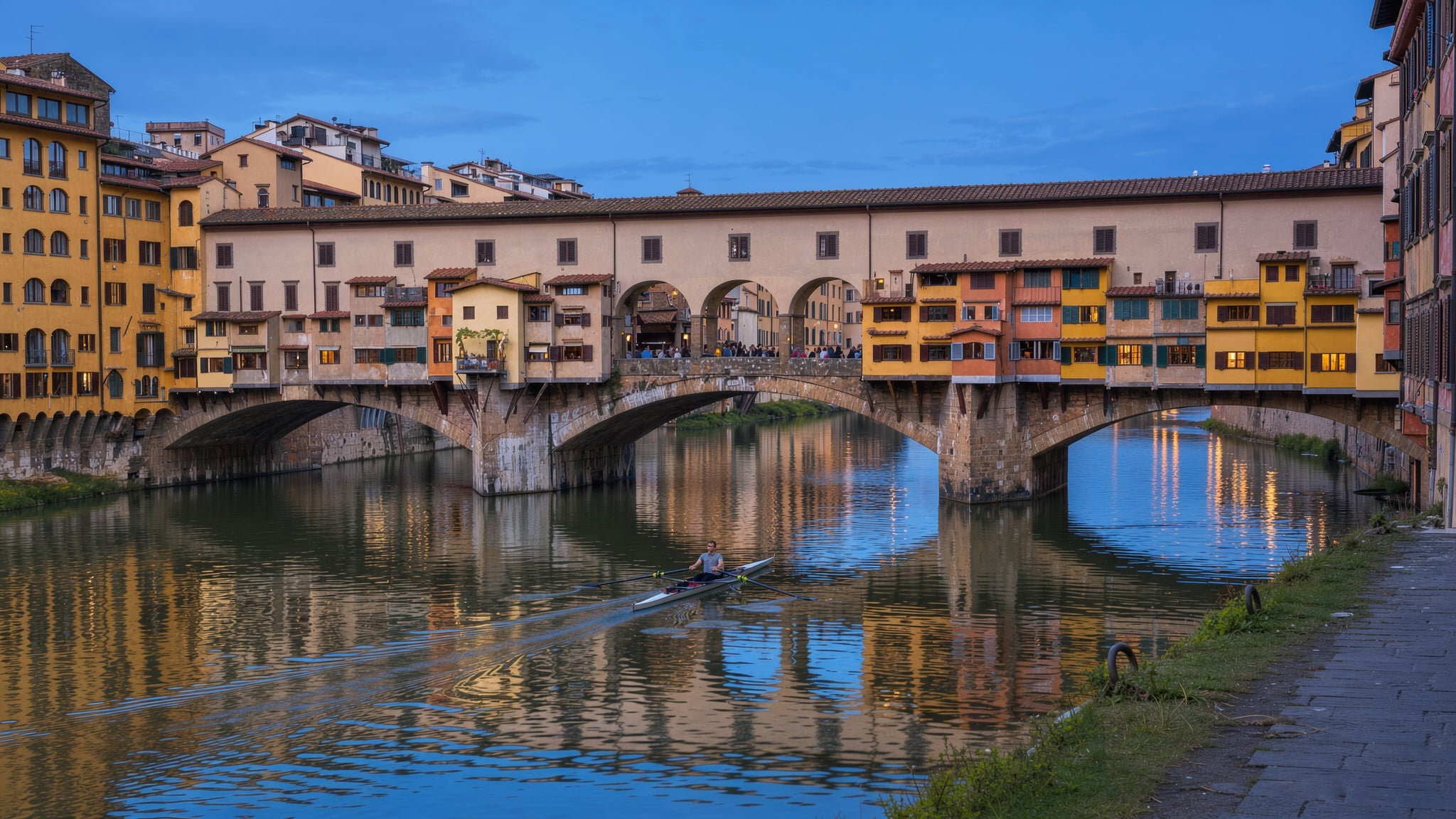
Web grounding on, 1.5k, 16:9. With grounding the model researches a real place before it draws, so the bridge, its shops and the corridor above them come out the way they stand in Florence.
Travel photograph of the Ponte Vecchio in Florence at blue hour, the old shops along the bridge glowing warm above the still Arno river, their lights reflected in the water, a single rowing scull gliding toward the arches. Shot from the riverbank at water level with a 35mm lens, deep blue sky, crisp architectural detail.
- Refer to references by position: image 1, image 2. The first image also sets the frame when the aspect ratio is on auto.
- Say what changes and what stays. Our recolor named the new color with a hex code and then listed everything to keep.
- For a composite, give each image a role: image 1 is the room, image 2 is the product, and the light comes from image 1.
- Leave web grounding on for real places, products and current things, and switch it off for invented scenes.
- Set the aspect ratio yourself for text to image and frame the shot exactly how you want it.
FLUX 3 Image resolutions and credits
Five resolution settings, one image per run. Pick the size for where the image will live.
| Resolution | Credits per image | Great for |
|---|---|---|
| 768sq | 1 | Quick drafts while you shape a prompt |
| 1k | 1 | Web, social and app images |
| 1.5k | 1 | Every example on this page, about 1872 x 1248 at 3:2 |
| 2k | 1.5 | Print, hero banners and crops that need detail |
| 4k | 8 | The largest file, for big prints and screens |
How to use FLUX 3 Image on Pixel Dojo
- 1
Write the image you want
Start with the image type and medium, then the subject, setting, light and framing. Put any words that must appear in quotes. Or tap Use this prompt on any example above.
- 2
Pick a shape and size
Choose one of 15 aspect ratios from 21:9 to 9:21, and a resolution from 768sq to 4k. 1k and 1.5k cost the same 1 credit.
- 3
Add references to edit
Attach up to 10 images to edit or combine them. Call them image 1, image 2 in the prompt, say what changes and list what stays.
- 4
Keep web grounding on for real things
Grounding is on by default and lets the model research real products, places and current events before it draws.
FLUX 3 Image pricing: from 1 credit per image
FLUX 3 Image is included in every Pixel Dojo plan, from $10/month. An image costs 1 credit at 768sq, 1k or 1.5k, 1.5 credits at 2k and 8 credits at 4k.
Reference images do not change the price: our recolor edit and our two image composite each cost 1 credit at 1.5k, the same as text to image. Every example on this page cost 1 credit.
FLUX 3 Image questions
What is FLUX 3 Image?
FLUX 3 Image is the image generation and editing model from Black Forest Labs, the team behind FLUX. On Pixel Dojo you can use it in the web tool at /flux-3-image or through the API with the model id flux-3-image.
What is FLUX 3 Image good at?
Photoreal images with true to life skin, materials and light, plus clean text when you put the words in quotes. On this page it made an editorial portrait, a cabin interior, a product hero, a food spread, a night market candid, a gig poster and ultra wide concept art.
Can FLUX 3 Image edit my own photos?
Yes. Attach up to 10 reference images and the prompt becomes an edit instruction. Refer to them as image 1, image 2 and so on, say what should change and list what should stay. Each input image should be at least 256 x 256 pixels and at most 16 megapixels.
What is web grounding in FLUX 3 Image?
Web grounding lets the model research your prompt with web and image search before it generates, which helps with real products, real places and current events. It is on by default, and you can switch it off for invented scenes.
What resolutions and aspect ratios does FLUX 3 Image support?
Five resolution settings: 768sq, 1k, 1.5k, 2k and 4k. Fifteen aspect ratios from 21:9 to 9:21, plus auto, which follows your first reference image. Our 1.5k images came back at about 1872 x 1248 for 3:2, and our 2k 21:9 image at 3136 x 1344.
Is FLUX 3 Image free?
A free account gets 3 free effects every day to try Pixel Dojo. FLUX 3 Image is included in every plan from $10/mo, and your credits roll over while you stay subscribed.
Can I use FLUX 3 Image images and videos commercially?
Yes. You own what you make, on every plan.
Make your first FLUX 3 Image image
Write a prompt above or start from any example on this page. One plan covers every top model, six studios and Sensei, and your credits roll over.
Start with FLUX 3 Image