Luma Dream Machine Alternatives
Generated on PixelDojo. Produced by PixelDojo's generation pipeline.
The best Luma Dream Machine alternatives on PixelDojo are VEO 3.1 Standard for cinematic quality, Kling Video v3 Pro for speed, Seedance 2 High for polished motion, and WAN 2.7 Text-to-Video for fast iteration. PixelDojo compared each model on the same scene, "a neon jellyfish drifting in dark water, bioluminescent," and recorded real generation times: VEO 3.1 Standard took 145.0s, Kling Video v3 Pro took 77.2s, Seedance 2 High took 282.5s, and WAN 2.7 Text-to-Video took 80.6s. The results give creators a practical way to choose between speed, motion quality, visual detail, and prompt control.
Real video examples generated on PixelDojo
Every example below was produced on PixelDojo. Hover to see the prompt.
Funhouse mirror
image-to-video
Funhouse mirror
image-to-video

A captivating
flux

A captivating
flux
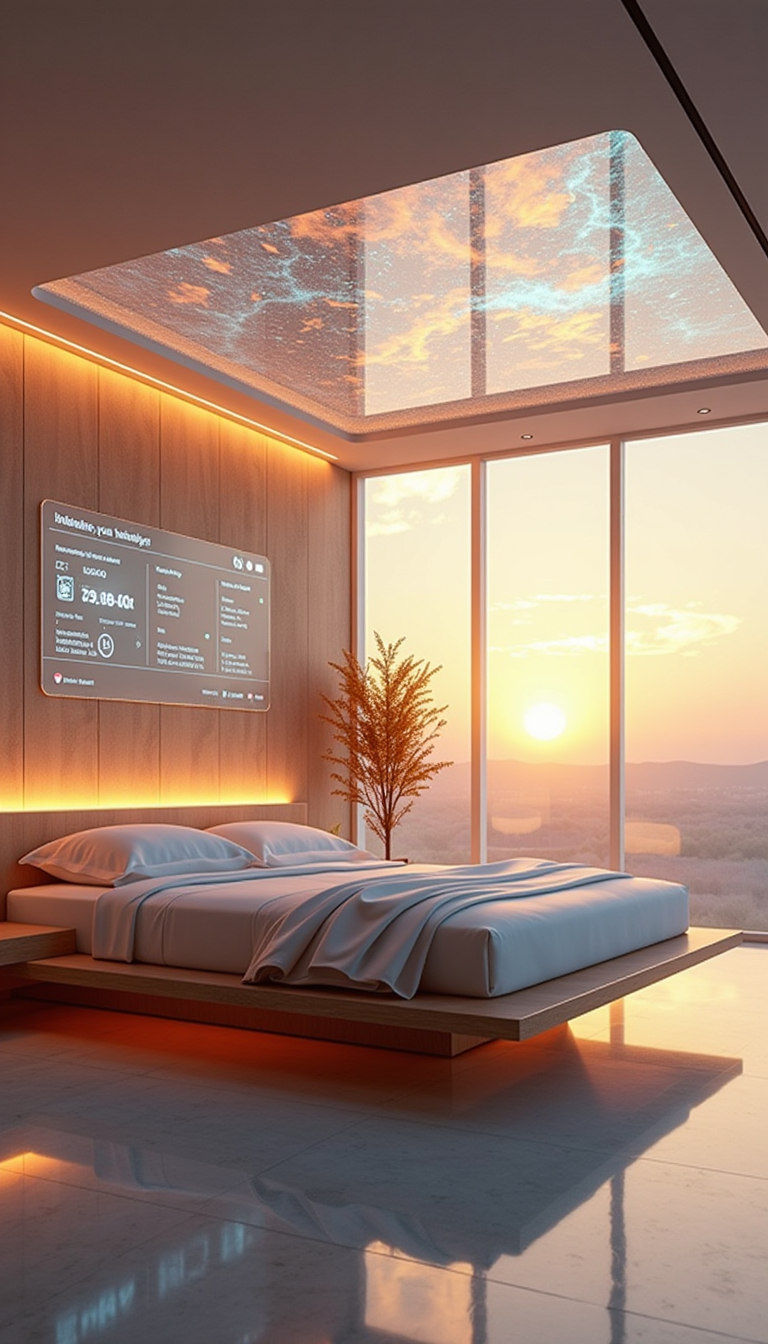
A HD Dynamic 4K Image Of Ultra-realistic futuristic bedroom with a transparent ceiling tha…
stable-diffusion

A captivating
flux
Models you can run on PixelDojo for Luma Dream Machine Alternatives
Switch models without switching tools. Each one runs in the same PixelDojo studio.
What you can do with Luma Dream Machine Alternatives on PixelDojo
Text to Video Output
We create videos from text prompts submitted by creators.
Image to Video Animation
Creators upload images and we produce animated video sequences.
Longer Video Clip Support
We generate videos with extended durations for complete scenes.
Motion Adjustment Controls
We provide options to refine movement and timing in outputs.
PixelDojo used one consistent prompt across all models, then measured completion time for each generation. This keeps the comparison focused on visible output and practical wait time rather than marketing claims.
Why Choose Pixel Dojo for Luma Dream Machine Alternatives
Professional-quality results with cutting-edge AI technology
Same-scene comparison
Each model was tested with the exact same neon jellyfish prompt, making it easier to compare color handling, motion, detail, and atmosphere.
Real generation times
The page highlights actual recorded times, so creators can choose a model based on deadline pressure as well as visual quality.
Clear model selection
PixelDojo helps match the right AI video model to the task, from quick text-to-video drafts to more polished cinematic clips.
How It Works
Start with one prompt
Use a clear scene description, such as the neon jellyfish test prompt, to evaluate mood, subject motion, lighting, and background detail.
Choose the model for the job
Pick Kling Video v3 Pro or WAN 2.7 for faster iteration, VEO 3.1 Standard for cinematic balance, or Seedance 2 High when longer wait times are acceptable.
Generate, compare, and refine
Review the output for motion, coherence, style, and speed. Adjust the prompt and rerun the model that best fits the creative goal.
Loved by creators on PixelDojo
Real feedback from people using PixelDojo, pulled from our in-product surveys.
All the tools, readily available and easy to understand
You guys, the LORA training is the BEST in the space right now, great job with that!
Tons of variety. Ease of use. Tools for beginners and advance users.
easiest workflow to get best output image or video
awesome functionality, UX, constant flood of improvements, discord interactivity
Awesome site with so many features
Explore more AI tools on PixelDojo
Popular AI Models
AI Tools
Compare & Switch
- All AI Tool Alternatives
- Pollo AI Alternative
- PixelDojo vs Pollo AI
- Pollo AI Review
- MotionMuse AI Alternative
- MioCreate Alternative
- Dessi AI Alternative
- Runway Alternatives
- CapCut Alternatives
- Leonardo Alternatives
- OpenArt Alternatives
- Midjourney Alternatives
- Canva AI Alternatives
- Pika Alternatives
- InVideo Alternatives
- Higgsfield Alternatives
- Krea Alternatives
- Magic Hour Alternatives
- HeyGen Alternatives
- PixAI Alternatives
- Vidu Alternatives
- Seedream Alternatives
- Tensor.Art Alternatives
Common Questions
Everything you need to know about Luma Dream Machine Alternatives
What is the best Luma Dream Machine alternative overall?
VEO 3.1 Standard is the strongest overall pick for creators who want a balanced mix of cinematic look, prompt understanding, and quality. In PixelDojo testing, it generated the shared neon jellyfish scene in 145.0s.
Which Luma Dream Machine alternative is fastest?
Kling Video v3 Pro was the fastest in this comparison, completing the shared text prompt in 77.2s. WAN 2.7 Text-to-Video was close behind at 80.6s.
Which model is best for high-detail motion?
Seedance 2 High is a good choice when polished movement and refined output matter more than wait time. In the same-scene test, it took 282.5s, making it the slowest model in this comparison.
Why test every model on the same scene?
Using one prompt removes a major variable. The neon jellyfish scene tests glow, dark water, subject motion, color contrast, and atmospheric detail across every model.
Can PixelDojo help compare text-to-video models?
Yes. PixelDojo gives creators a practical way to compare AI video models by prompt results, generation time, and best-use fit, helping teams choose the right model before scaling production.