Industry News
AI Art Controversy: The Monet Misunderstanding and Its Implications
An exploration of a recent incident where a genuine Monet painting was mistaken for AI-generated art, highlighting the growing skepticism towards AI in the art world and the broader implications for artists and creators.
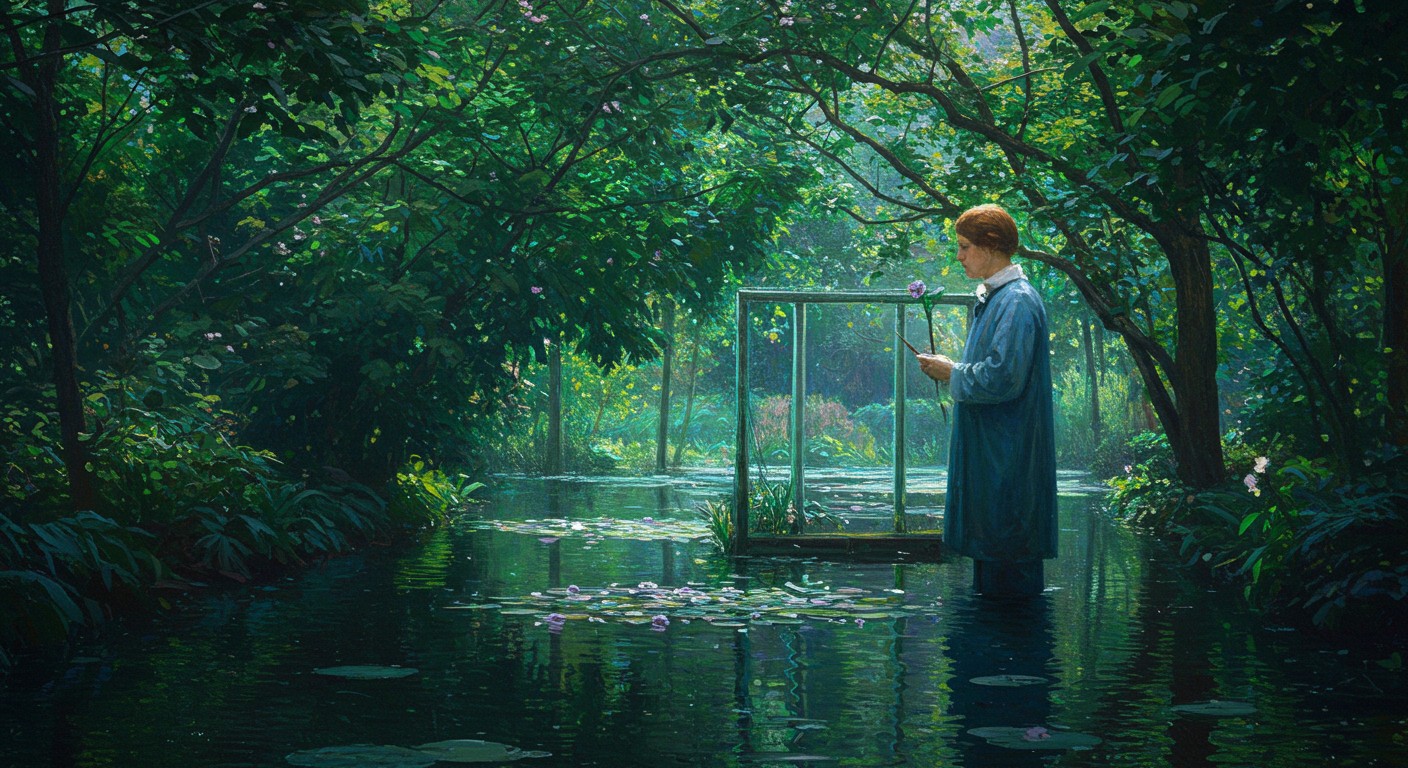
The Incident: Mistaking Monet for Machine-Made
In a recent experiment by conceptual artist SHL0MS, a genuine painting by Claude Monet was presented to the public without attribution. The artwork was met with immediate criticism, with many assuming it was an AI-generated piece and decrying its perceived lack of authenticity. This incident underscores a growing reflexive skepticism towards AI-generated art, where audiences are quick to dismiss or criticize works they believe lack human touch.
The Broader Context: Rising Skepticism Towards AI in Art
This event is not isolated. The art community has been grappling with the integration of AI into creative processes, leading to several notable controversies:
-
Music Industry Backlash: Renowned producer Jack Antonoff criticized the use of AI in music creation, emphasizing the importance of human randomness and magic in songwriting. (musicradar.com)
-
Gaming Community's Response: The developers of the popular co-op game Party Animals faced significant backlash after announcing an AI-generated video contest with substantial prizes. The community criticized the move for sidelining human-made creations, leading to a flood of negative reviews on Steam. (gamesradar.com)
-
Corporate Missteps: Companies like Wizards of the Coast faced criticism for using AI-generated art in promotional materials, despite having policies against such practices. This led to public apologies and a reevaluation of their content creation processes. (arstechnica.com)
Implications for Artists and Creators
The Monet incident and similar events highlight several key issues:
-
Authenticity Concerns: Audiences are becoming more vigilant, sometimes to the point of overcorrection, in identifying and critiquing AI-generated content. This can lead to genuine artworks being unfairly dismissed.
-
Trust Erosion: Repeated instances of undisclosed AI use can erode trust between creators and their audiences, emphasizing the need for transparency.
-
Ethical Considerations: The ease of generating art through AI raises questions about originality, ownership, and the value of human creativity.
Navigating the AI Art Landscape with PixelDojo
For artists and creators looking to explore AI tools while maintaining authenticity and transparency, PixelDojo offers a suite of resources:
-
Style Transfer: Apply artistic styles to photos, allowing creators to experiment with different aesthetics while retaining control over the final output.
-
Image Analyzer: Gain AI-generated descriptions of images, which can assist in understanding and categorizing artworks.
-
Reality Polisher: Remove AI artifacts with iterative refinement, ensuring that AI-assisted creations meet high-quality standards.
By leveraging these tools, artists can integrate AI into their workflows responsibly, ensuring that their creations are both innovative and authentic.
Conclusion
The Monet misunderstanding serves as a cautionary tale about the rapid integration of AI into the art world. While AI offers exciting possibilities, it also necessitates careful consideration of authenticity, transparency, and ethical implications. As the landscape evolves, both creators and audiences must navigate these challenges thoughtfully, ensuring that art retains its human essence even in the age of machines.
Original Source
Read original articlePremium AI Tools
Create Incredible AI Images Today
Join thousands of creators worldwide using PixelDojo to transform their ideas into stunning visuals in seconds.
125
Creative AI Tools
4M+
Creations
60+
AI Video Models