Industry News
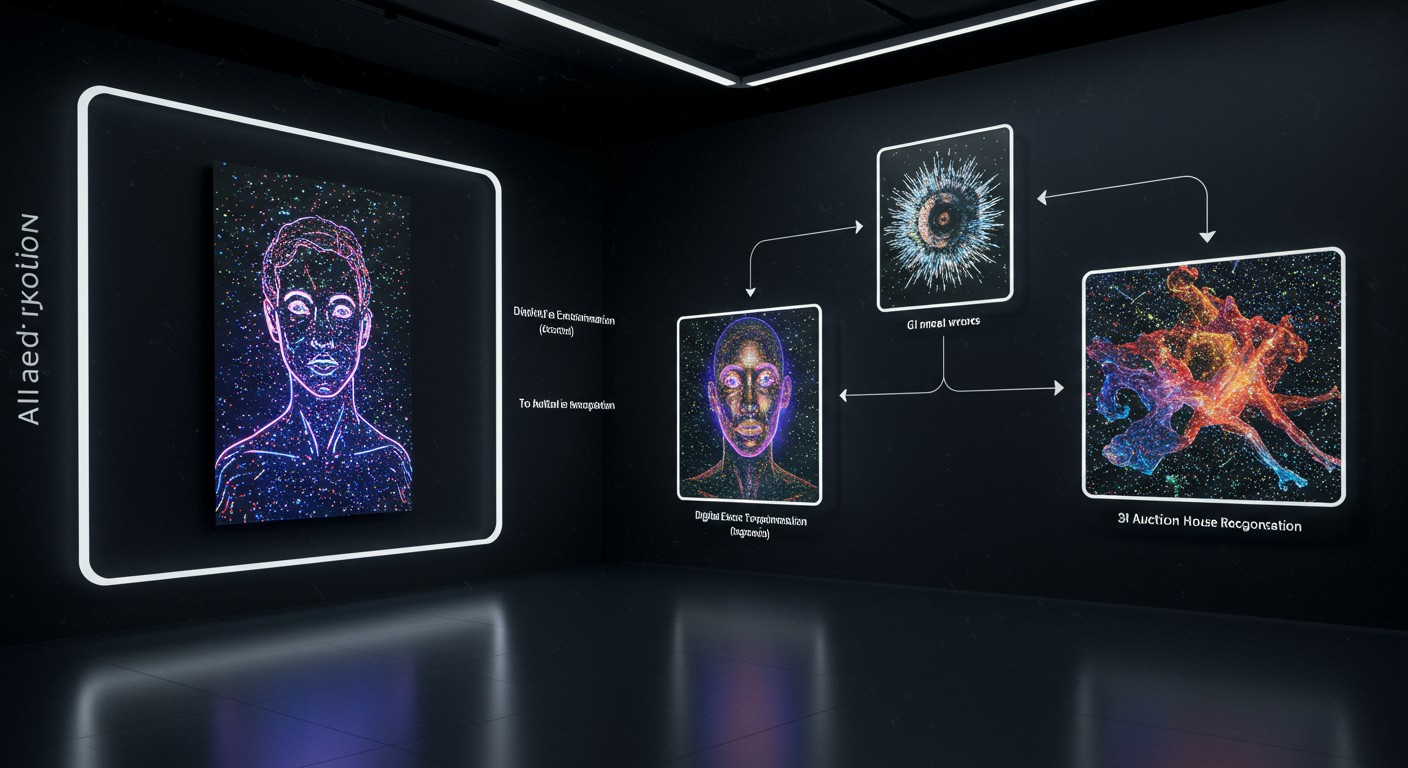
AI Art's Evolution: From Digital Experimentation to Auction House Recognition
Artificial Intelligence (AI) art has transitioned from experimental digital creations to pieces recognized by prestigious auction houses like Sotheby's. This article explores the technological advancements, market dynamics, and tools like PixelDojo that have propelled AI-generated art into the mainstream art world.
The Rise of AI-Generated Art
Artificial Intelligence has revolutionized numerous industries, and the art world is no exception. Initially perceived as a novelty, AI-generated art has matured, gaining recognition from esteemed institutions and collectors. This evolution signifies a broader acceptance of technology's role in creative expression.
Technological Advancements Driving AI Art
The progression of AI art is largely attributed to advancements in machine learning models, particularly Generative Adversarial Networks (GANs) and diffusion models. These technologies enable the creation of intricate and aesthetically compelling artworks that rival traditional pieces.
-
Generative Adversarial Networks (GANs): Introduced by Ian Goodfellow in 2014, GANs consist of two neural networks—the generator and the discriminator—that work in tandem to produce realistic images. This adversarial process has been instrumental in generating high-quality, unique artworks.
-
Diffusion Models: A more recent development, diffusion models generate images by reversing a process that adds noise to data. This method has been praised for producing images with remarkable detail and coherence.
Market Dynamics and Institutional Recognition
The art market's reception of AI-generated works has evolved significantly. Prestigious auction houses like Sotheby's have begun featuring AI art, signaling its legitimacy and value in the contemporary art scene. This shift is influenced by several factors:
-
Collector Interest: A growing number of collectors are intrigued by the intersection of technology and art, viewing AI-generated pieces as innovative additions to their collections.
-
Institutional Endorsement: Museums and galleries are increasingly showcasing AI art, further validating its place in the art world.
-
Market Performance: Notable sales of AI artworks have demonstrated their commercial viability, encouraging more artists and institutions to explore this medium.
Exploring AI Art with PixelDojo
For individuals interested in delving into AI-generated art, platforms like PixelDojo offer accessible tools to experiment and create. PixelDojo's suite includes:
-
Stable Diffusion Tool: This feature allows users to generate images from textual descriptions, enabling the creation of unique artworks without extensive technical knowledge.
-
Image-to-Image Transformation: Users can input existing images and apply AI-driven transformations, exploring variations and enhancements to their original pieces.
-
Text-to-Video Tool: Expanding beyond static images, this tool enables the generation of video content from textual prompts, opening new avenues for dynamic AI art creation.
By leveraging these tools, both novice and experienced artists can engage with AI technologies, fostering creativity and innovation in their work.
Ethical Considerations and Future Outlook
As AI art gains prominence, ethical questions regarding authorship, originality, and the role of the artist emerge. It's crucial to address these concerns to ensure a responsible and inclusive art ecosystem. Looking ahead, the integration of AI in art is poised to deepen, with potential developments including:
-
Collaborative Creation: Enhanced tools that facilitate collaboration between human artists and AI systems, blending intuition with computational power.
-
Personalized Art Experiences: AI algorithms capable of generating art tailored to individual preferences, offering personalized aesthetic experiences.
-
New Artistic Mediums: Exploration of AI-generated art in virtual and augmented reality spaces, expanding the boundaries of traditional art forms.
Conclusion
The journey of AI-generated art from experimental "slop" to esteemed pieces at Sotheby's underscores a transformative period in the art world. Technological advancements, market acceptance, and accessible platforms like PixelDojo have democratized art creation, inviting a broader audience to participate in this evolving landscape. As we navigate this intersection of technology and creativity, the future of art promises to be as dynamic and diverse as the tools that shape it.
Original Source
Read original articlePremium AI Tools
Create Incredible AI Images Today
Join thousands of creators worldwide using PixelDojo to transform their ideas into stunning visuals in seconds.
125
Creative AI Tools
4M+
Creations
60+
AI Video Models