Industry News
AI-Driven Architectural Design 2.0: Revolutionizing the Future of Architecture
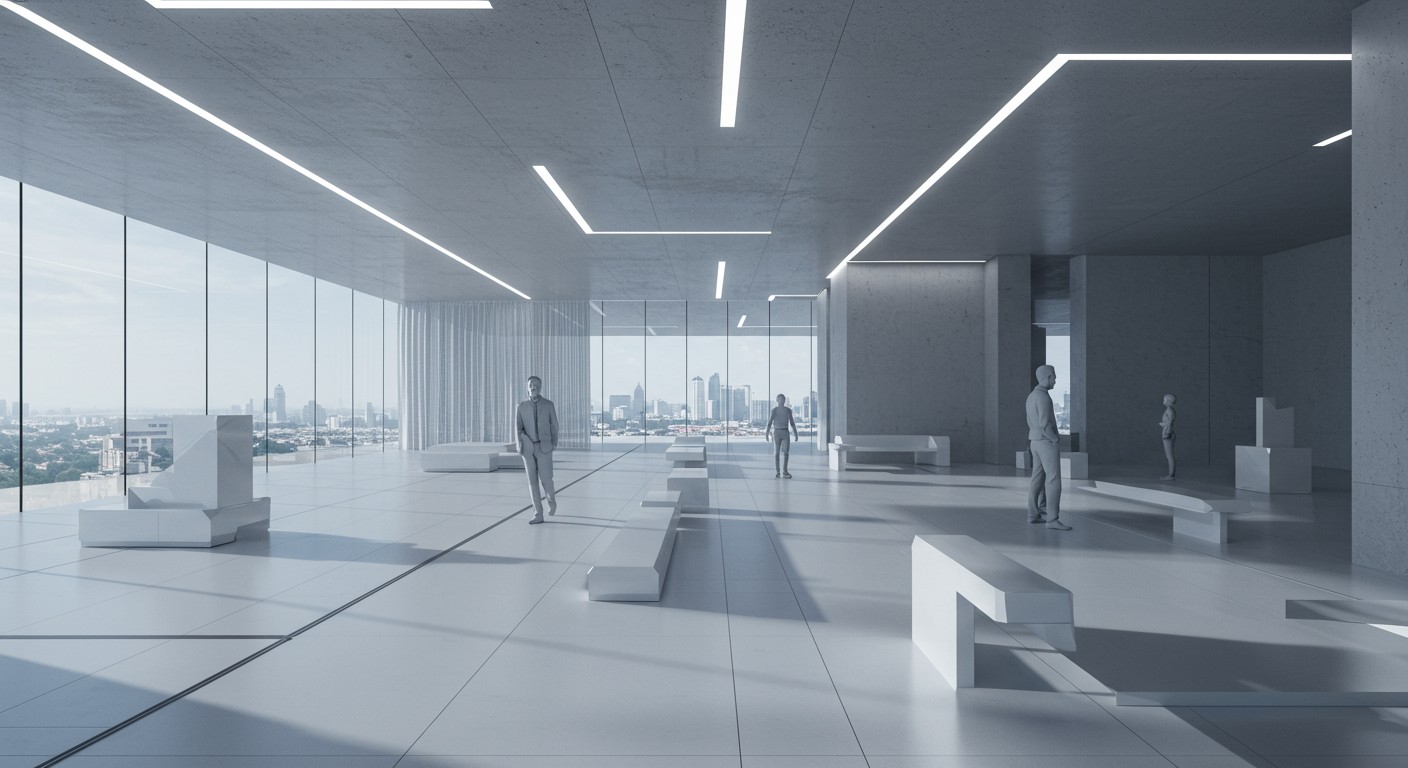
Artificial Intelligence (AI) is transforming architectural design by enabling generative processes that produce innovative, efficient, and sustainable structures. This article explores the impact of AI on architecture, highlighting tools like PixelDojo's Stable Diffusion and Image-to-Image transformation that empower architects to explore and visualize complex designs.
The Evolution of AI in Architectural Design
Artificial Intelligence (AI) has become a pivotal force in reshaping architectural design, introducing generative processes that yield innovative, efficient, and sustainable structures. This evolution marks a significant departure from traditional design methodologies, offering architects unprecedented tools to explore complex forms and optimize building performance.
Generative Design: A New Paradigm
Generative design leverages algorithms to autonomously generate a multitude of design alternatives based on predefined parameters and constraints. This approach allows architects to:
- Explore a Wider Solution Space: By inputting specific criteria, architects can generate numerous design options, each evaluated for performance and feasibility.
- Optimize Structural and Aesthetic Outcomes: Algorithms can balance structural integrity with aesthetic appeal, leading to designs that are both functional and visually compelling.
- Enhance Sustainability: Generative design can integrate environmental data to create energy-efficient and sustainable buildings.
For instance, the use of cellular automata and genetic algorithms enables the creation of adaptive facades that respond to environmental conditions, improving energy efficiency and occupant comfort.
AI's Role in Sustainable Architecture
Sustainability is a critical concern in contemporary architecture. AI contributes to sustainable design by:
- Integrating Building Performance Simulations: Tools like EnergyPlus and Ladybug Tools, combined with generative algorithms, optimize energy performance and reduce carbon footprints.
- Facilitating Life Cycle Analysis (LCA): AI-driven frameworks can assess the environmental impact of materials and construction methods, guiding architects toward eco-friendly choices.
- Enhancing Energy Efficiency: AI can analyze various factors and recommend energy-efficient modifications, pushing the industry towards greener practices.
PixelDojo's Contribution to AI-Driven Design
PixelDojo offers a suite of AI tools that empower architects to harness the potential of AI in their design processes:
- Stable Diffusion Tool: This tool enables architects to generate detailed architectural images from textual descriptions, facilitating the exploration of complex design concepts and material choices.
- Image-to-Image Transformation: Architects can input existing design sketches or images and use this tool to transform them into refined, photorealistic renderings, aiding in client presentations and design iterations.
By integrating these tools, architects can streamline their workflows, enhance creativity, and produce designs that are both innovative and sustainable.
Challenges and Considerations
While AI offers numerous benefits, its integration into architectural design presents challenges:
- Data Bias and Quality: AI systems are only as good as the data they are trained on. Biased or poor-quality data can lead to suboptimal designs.
- Ethical Implications: The use of AI raises questions about authorship and the role of the architect in the design process.
- Accessibility: Smaller firms may face barriers in adopting AI technologies due to cost and resource constraints.
The Future of AI in Architecture
The future of AI in architecture is promising, with ongoing advancements expected to:
- Enhance Collaboration: AI can facilitate better collaboration between architects, engineers, and clients by providing clear visualizations and data-driven insights.
- Personalize Design: AI can tailor designs to individual client preferences and site-specific conditions, leading to more personalized and contextually appropriate buildings.
- Automate Routine Tasks: By automating routine aspects of the design process, AI allows architects to focus on creative and strategic elements.
Conclusion
AI-driven architectural design represents a transformative shift in the field, offering tools and methodologies that enhance creativity, efficiency, and sustainability. Platforms like PixelDojo provide accessible AI tools that empower architects to explore and realize complex designs, marking a new era in architectural innovation.
Original Source
Read original articlePremium AI Tools
Create Incredible AI Images Today
Join thousands of creators worldwide using PixelDojo to transform their ideas into stunning visuals in seconds.
125
Creative AI Tools
4M+
Creations
60+
AI Video Models