Industry News
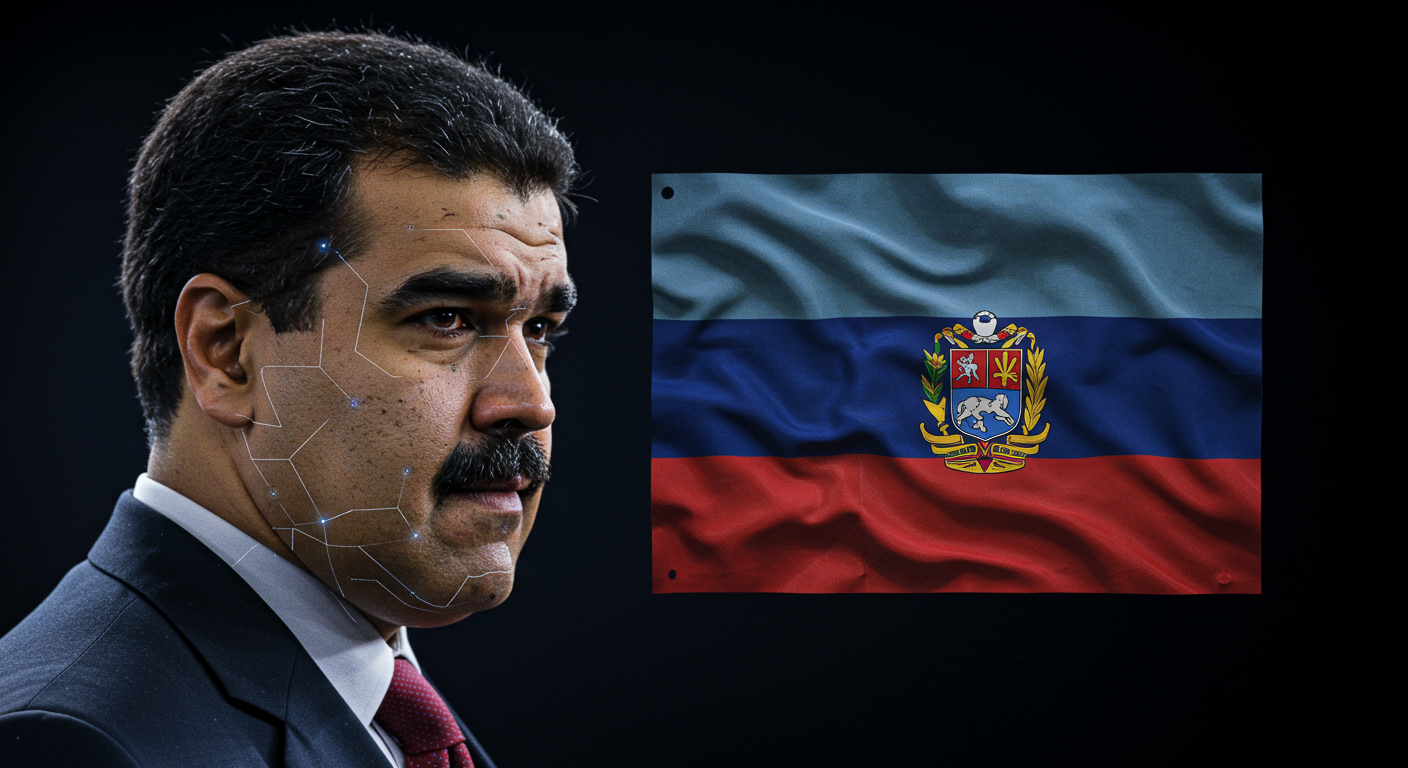
AI-Generated Images of Maduro's Capture Flood Social Media, Sparking Misinformation Concerns
Following the U.S. military operation that led to the capture of Venezuelan President Nicolás Maduro, social media platforms were inundated with AI-generated images and videos depicting the event. These fabricated visuals garnered millions of views, blurring the lines between reality and fiction and raising significant concerns about the spread of misinformation.
The Surge of AI-Generated Content Post-Maduro's Capture
In the immediate aftermath of the U.S. military's operation resulting in the capture of Venezuelan President Nicolás Maduro, social media platforms experienced a deluge of images and videos purportedly depicting the event. Notably, many of these visuals were AI-generated, presenting fabricated scenes that quickly went viral. (theguardian.com)
One widely circulated image showed Maduro being escorted by individuals wearing U.S. Drug Enforcement Administration (DEA) insignia. However, upon closer examination, inconsistencies such as the implausible involvement of the DEA in the operation and visual anomalies suggested the image was AI-generated. (intelfocus.org)
The Role of Advanced AI Tools in Content Creation
The proliferation of such realistic yet fabricated images underscores the advancements in AI image generation technologies. Tools capable of producing high-fidelity images from textual descriptions have become increasingly accessible, enabling users to create convincing visuals with minimal effort.
For instance, platforms like PixelDojo offer a suite of AI tools that allow users to generate and edit images with remarkable precision. Their GPT-Image 1.5 tool enables the creation of high-fidelity images that adhere closely to user prompts, making it possible to visualize complex scenarios. Additionally, the Image to Image feature allows for the transformation of existing images using advanced AI models, facilitating the creation of altered or entirely new visuals based on original content.
Challenges in Detecting AI-Generated Misinformation
The realistic nature of AI-generated images poses significant challenges for misinformation detection. Traditional methods, such as reverse image searches, often fall short in identifying fabricated content. To address this, companies like Google have developed tools like SynthID, which embed invisible watermarks into AI-generated images to aid in their identification. (wired.com)
However, the effectiveness of these detection methods is still evolving. In the case of the Maduro images, some AI detection tools provided inconsistent results, highlighting the need for more robust and reliable verification techniques. (cbsnews.com)
The Impact on Public Perception and Information Integrity
The rapid dissemination of AI-generated images depicting Maduro's capture has significant implications for public perception and the integrity of information. Such fabricated content can shape narratives, influence opinions, and potentially escalate tensions by presenting false realities as truth.
For example, a widely shared AI-generated video titled "The Fall of Maduro" depicted a dramatized version of the capture, complete with explosions and military operations. This video garnered millions of views, further blurring the lines between factual reporting and fictional content. (ndtv.com)
The Need for Vigilance and Media Literacy
In light of these developments, it is imperative for both content creators and consumers to exercise vigilance. Media literacy programs that educate the public on identifying AI-generated content are essential. Additionally, platforms like PixelDojo can serve as educational tools, demonstrating both the capabilities and limitations of AI in content creation.
By utilizing PixelDojo's Image Analyzer, users can analyze and describe images, gaining insights into potential manipulations or AI-generated elements. This fosters a more informed approach to consuming and sharing digital content.
Conclusion
The case of AI-generated images following Nicolás Maduro's capture serves as a stark reminder of the double-edged sword that is AI in media. While these technologies offer unprecedented creative possibilities, they also necessitate a heightened awareness of their potential to disseminate misinformation. As AI continues to evolve, so too must our strategies for ensuring the authenticity and reliability of the information we consume and share.
Original Source
Read original articlePremium AI Tools
Create Incredible AI Images Today
Join thousands of creators worldwide using PixelDojo to transform their ideas into stunning visuals in seconds.
125
Creative AI Tools
4M+
Creations
60+
AI Video Models