Industry News
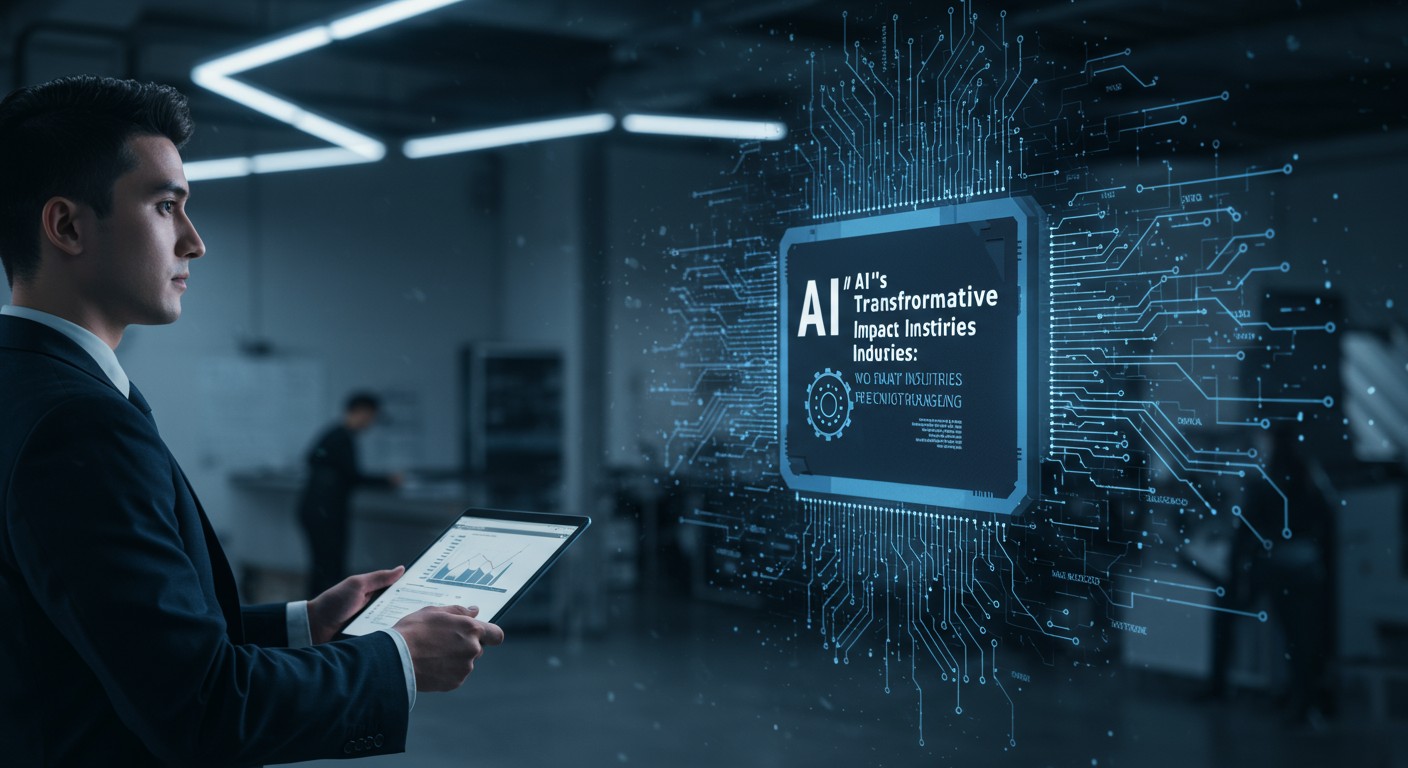
AI's Transformative Impact Across Industries: A Deep Dive
Artificial Intelligence (AI) is revolutionizing various sectors by enhancing efficiency, personalization, and decision-making. This article explores AI's applications in key industries and highlights how tools like PixelDojo's AI solutions enable users to engage with these advancements.
Introduction
Artificial Intelligence (AI) has become a cornerstone of innovation, driving significant transformations across multiple industries. From automating routine tasks to providing deep insights through data analysis, AI's applications are vast and varied. This article delves into how AI is reshaping key sectors and illustrates how tools like PixelDojo's AI solutions empower users to explore and leverage these advancements.
AI in E-Commerce
In the e-commerce landscape, AI enhances customer experiences and optimizes operations. AI-powered recommendation engines analyze user behavior to suggest products, increasing engagement and sales. Chatbots provide instant customer support, addressing queries and guiding shoppers efficiently.
Example: Amazon utilizes AI to recommend products based on users' browsing history and preferences, boosting sales and customer satisfaction.
AI in Education
AI is revolutionizing education by personalizing learning experiences and automating administrative tasks. Adaptive learning platforms tailor content to individual student needs, while AI systems handle grading and scheduling, allowing educators to focus more on teaching.
AI in Manufacturing
Manufacturing benefits from AI through predictive maintenance and quality control. AI monitors equipment health, predicting failures to minimize downtime. Machine vision systems inspect products for defects, ensuring high-quality outputs.
Example: Siemens implemented an AI-based predictive maintenance system in its gas turbine manufacturing, reducing downtime by 30%.
AI in Agriculture
AI aids agriculture by enabling precision farming and crop management. AI-powered drones and sensors monitor crop health and soil conditions, providing farmers with actionable insights to optimize yields.
Example: Blue River Technology's 'See & Spray' system uses computer vision to identify weeds and apply herbicides precisely, reducing chemical usage by up to 90%.
AI in Retail
Retailers leverage AI for personalized shopping experiences and inventory management. AI analyzes customer data to offer tailored product recommendations and optimizes stock levels to meet demand efficiently.
Example: H&M uses AI to analyze sales data and optimize inventory, reducing overstock and minimizing markdowns.
AI in Energy
The energy sector utilizes AI to optimize resource use and promote sustainability. AI algorithms analyze grid data to forecast demand and manage energy distribution effectively.
Example: DeepMind partnered with Google to use AI for wind farm optimization, increasing the value of wind energy produced by 20%.
AI in Cybersecurity
AI enhances cybersecurity by detecting and responding to threats in real-time. Machine learning models analyze network traffic to identify anomalies indicative of potential attacks.
Example: Darktrace developed an AI-based cybersecurity platform that uses unsupervised machine learning to detect and respond to cyber threats.
AI in Content Creation
AI is transforming content creation by generating text, images, and videos. Tools like PixelDojo's AI solutions enable users to create high-quality content efficiently, catering to various creative needs.
Example: PixelDojo's AI tools allow users to generate images and videos from text prompts, streamlining the content creation process.
AI in Healthcare
In healthcare, AI assists in diagnostics, treatment planning, and patient monitoring. AI algorithms analyze medical data to identify patterns and support clinical decisions.
Example: AI systems can detect anomalies in medical images, aiding radiologists in early diagnosis of diseases.
AI in Finance
The financial industry employs AI for risk assessment, fraud detection, and personalized banking services. AI analyzes transaction data to identify suspicious activities and offers tailored financial advice.
Example: Robo-advisors use AI to provide personalized investment strategies based on individual risk profiles.
AI in Transportation
AI optimizes transportation through route planning, autonomous vehicles, and traffic management. AI systems analyze traffic data to suggest optimal routes and enhance safety.
Example: Tesla's Autopilot uses AI to enable semi-autonomous driving, assisting with tasks like lane-keeping and adaptive cruise control.
AI in Entertainment
The entertainment industry leverages AI for content recommendation, creation, and audience engagement. AI analyzes user preferences to suggest movies, music, and games.
Example: Streaming services use AI to recommend content based on viewing history, enhancing user engagement.
AI in Marketing
Marketing strategies are enhanced by AI through audience segmentation, personalized campaigns, and performance analysis. AI tools analyze consumer data to create targeted marketing efforts.
Example: AI-driven platforms can generate personalized email campaigns based on user behavior and preferences.
AI in Human Resources
AI streamlines HR processes like recruitment, employee engagement, and performance evaluation. AI systems screen resumes, conduct initial interviews, and analyze employee feedback.
Example: AI-powered platforms assist in matching candidates to job roles based on skills and experience.
AI in Supply Chain Management
AI optimizes supply chains by forecasting demand, managing inventory, and improving logistics. AI analyzes data to predict market trends and streamline operations.
Example: AI systems can optimize delivery routes, reducing fuel consumption and improving delivery times.
AI in Real Estate
Real estate benefits from AI through property valuation, market analysis, and customer service. AI algorithms assess property values and predict market trends.
Example: AI-powered chatbots assist potential buyers by answering queries and scheduling viewings.
AI in Legal Services
AI assists legal professionals by automating document review, legal research, and case prediction. AI systems analyze legal documents to identify relevant information quickly.
Example: AI tools can predict case outcomes based on historical data, aiding in legal strategy development.
AI in Environmental Monitoring
AI contributes to environmental conservation by analyzing data from sensors and satellites to monitor ecosystems and predict environmental changes.
Example: AI models predict deforestation patterns, enabling proactive conservation efforts.
AI in Journalism
Journalism utilizes AI for content generation, data analysis, and audience engagement. AI systems generate news reports and analyze reader preferences.
Example: AI tools can draft financial reports based on market data, allowing journalists to focus on in-depth analysis.
AI in Insurance
The insurance industry employs AI for risk assessment, claims processing, and customer service. AI analyzes data to assess risk profiles and detect fraudulent claims.
Example: AI chatbots handle customer inquiries and guide users through the claims process.
AI in Sports
Sports organizations use AI for performance analysis, injury prediction, and fan engagement. AI analyzes player data to optimize training and strategies.
Example: AI systems predict injury risks based on player movement patterns, aiding in preventive measures.
AI in Tourism
The tourism industry leverages AI for personalized travel recommendations, customer service, and operational efficiency. AI analyzes traveler preferences to suggest destinations and activities.
Example: AI chatbots assist travelers with booking and itinerary planning, enhancing the travel experience.
AI in Construction
Construction benefits from AI through project management, safety monitoring, and design optimization. AI analyzes project data to predict delays and optimize resource allocation.
Example: AI-powered drones monitor construction sites for safety compliance and progress tracking.
AI in Art and Design
AI is transforming art and design by generating creative works and assisting artists. Tools like PixelDojo's AI solutions enable users to create unique artworks and designs.
Example: PixelDojo's AI tools allow users to generate images from text prompts, exploring new creative possibilities.
Conclusion
AI's applications across industries are vast and continually expanding, driving innovation and efficiency. Tools like PixelDojo's AI solutions empower users to engage with these advancements, whether in content creation, design, or other fields. As AI technology evolves, its transformative impact will continue to shape the future of various sectors.
Original Source
Read original articlePremium AI Tools
Create Incredible AI Images Today
Join thousands of creators worldwide using PixelDojo to transform their ideas into stunning visuals in seconds.
125
Creative AI Tools
4M+
Creations
60+
AI Video Models