Industry News
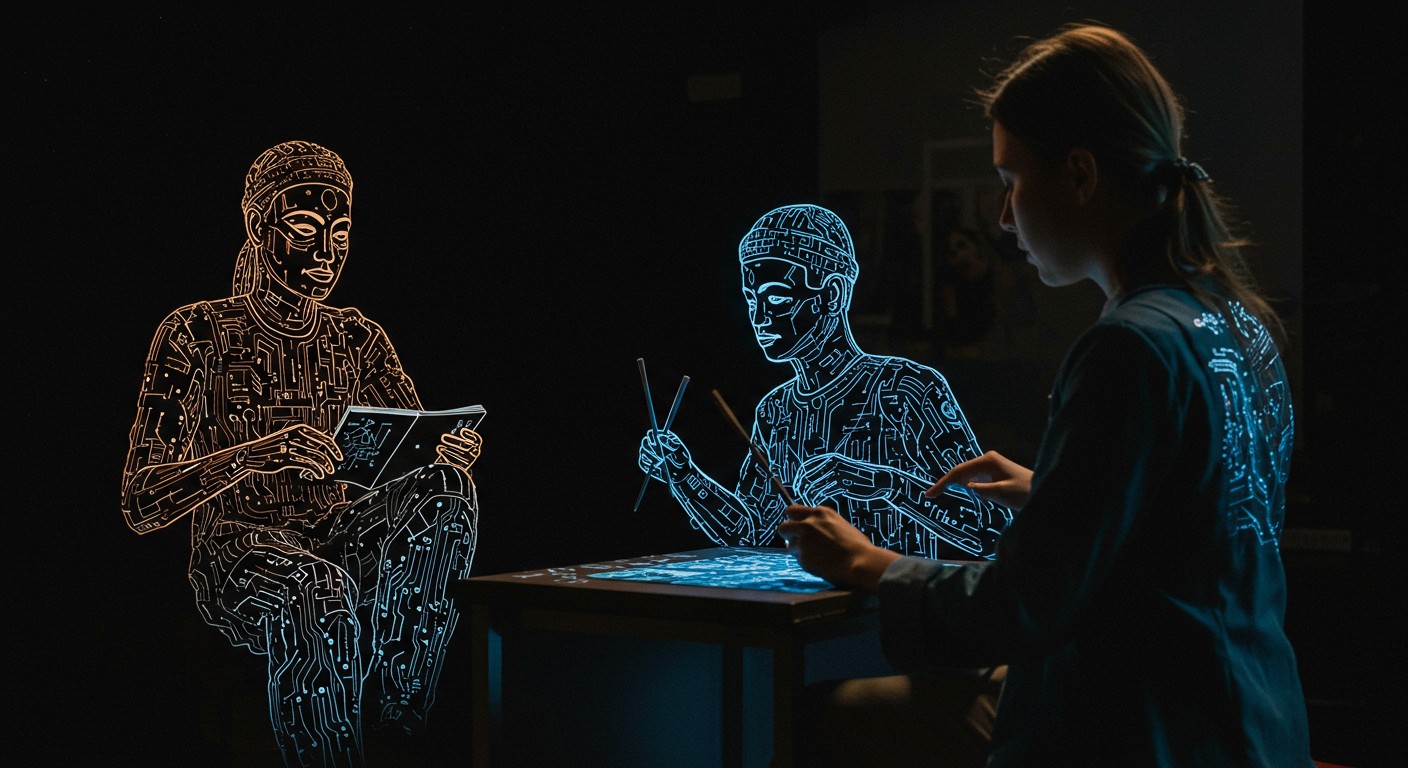
Bridging Tradition and Technology: How Tech Art Students Are Embracing AI Integration
As artificial intelligence reshapes the art world, technology-focused art students are navigating the integration of AI tools into their creative processes, balancing traditional techniques with innovative technologies to redefine artistic expression.
The Intersection of Art and Artificial Intelligence
The art world is undergoing a transformative shift as artificial intelligence (AI) becomes increasingly integrated into creative processes. For students in technology-focused art programs, this evolution presents both exciting opportunities and complex challenges. Embracing AI tools allows for innovative artistic expressions, yet it also requires a thoughtful balance between traditional techniques and cutting-edge technologies.
Embracing AI in Artistic Creation
AI-powered tools are revolutionizing how art is conceived and produced. Students can now generate images and videos, edit existing works, and even create 3D models with unprecedented ease and precision. This technological advancement enables artists to:
- Expand Creative Horizons: AI tools can generate unique visuals based on textual prompts, allowing artists to explore concepts beyond their manual capabilities.
- Enhance Efficiency: Automated processes reduce the time required for tasks like image editing and video production, enabling artists to focus more on conceptual development.
- Facilitate Experimentation: AI provides a sandbox for testing different styles and ideas without the constraints of traditional media.
Navigating the Challenges
While AI offers numerous benefits, integrating it into art education and practice comes with challenges:
- Maintaining Artistic Authenticity: There's a concern that reliance on AI might dilute personal expression. Students must learn to use AI as a tool that complements their vision rather than replaces it.
- Developing Technical Proficiency: Mastery of AI tools requires technical skills that may be outside the traditional art curriculum. Institutions need to adapt by incorporating relevant training.
- Ethical Considerations: Issues such as authorship, originality, and the potential for AI to replicate existing artworks raise important ethical questions that students must navigate.
PixelDojo: Empowering Students with AI Tools
To assist students in this integration, platforms like PixelDojo offer a suite of AI-powered tools tailored for creative endeavors:
- Generate Images: Tools such as Google Nano Banana and GPT-Image enable students to create images from textual descriptions, facilitating the exploration of new visual ideas.
- Generate Videos: With Creator Studio, students can produce AI-generated storyboards and videos, enhancing their multimedia projects.
- Edit Images and Videos: Features like Inpainting allow for precise editing of specific areas within an image, while Grok Video Edit offers prompted edits for short clips, providing flexibility in refining artworks.
- 3D Modeling: Hunyuan 3D enables the generation of 3D models from text or images, opening new avenues for sculptural and interactive art forms.
By leveraging these tools, students can experiment with AI-driven creation, refine their technical skills, and push the boundaries of traditional art forms.
Case Studies: AI in Student Projects
Consider a student aiming to create a series of digital paintings that blend classical art styles with futuristic themes. Using PixelDojo's Style Transfer tool, they can apply the aesthetic of Renaissance paintings to their digital canvases, achieving a harmonious fusion of old and new.
Another example is a group project where students produce an animated short film. By utilizing Grok R2V, they can convert reference images into dynamic video sequences, streamlining the animation process and allowing for rapid prototyping of scenes.
Preparing for an AI-Integrated Future
As AI continues to permeate the art world, educational institutions must adapt by:
- Updating Curricula: Incorporating AI training into art programs ensures that students are equipped with the necessary skills to navigate the evolving landscape.
- Encouraging Critical Thinking: Teaching students to critically assess the role of AI in art fosters a balanced approach that values both innovation and tradition.
- Providing Access to Tools: Partnering with platforms like PixelDojo gives students hands-on experience with industry-standard AI tools, preparing them for professional environments.
Conclusion
The integration of AI into art education is not about replacing traditional methods but enhancing them. By embracing AI tools, students can expand their creative capabilities, develop new skills, and contribute to the evolving definition of art in the digital age. Platforms like PixelDojo play a crucial role in this journey, offering resources that bridge the gap between technology and artistic expression.
Original Source
Read original articlePremium AI Tools
Create Incredible AI Images Today
Join thousands of creators worldwide using PixelDojo to transform their ideas into stunning visuals in seconds.
125
Creative AI Tools
4M+
Creations
60+
AI Video Models