Industry News
Comic-Con's AI Art Reversal: Artists Force Ban on Machine Mimicry
San Diego Comic-Con has reversed its policy to now prohibit AI-generated art in its 2026 Art Show, following significant backlash from the artist community.
Comic-Con's AI Art Reversal: Artists Force Ban on Machine Mimicry
Introduction
San Diego Comic-Con (SDCC), one of the most prominent conventions celebrating comics and pop culture, has recently updated its policies to prohibit AI-generated art in its 2026 Art Show. This decision comes after considerable backlash from the artist community, emphasizing the ongoing debate over the role of artificial intelligence in creative industries.
The Initial Policy and Backlash
Initially, SDCC's Art Show guidelines permitted the display of AI-generated art, provided it was clearly labeled and not offered for sale. The policy stated:
"Material produced by Artificial Intelligence (AI) may be placed in the show, but only as Not-For-Sale (NFS). It must be clearly marked as AI-produced, not simply listed as a print. If one of the parameters in its creation was something similar to 'Done in the style of <specific artist>,' that information must be added to the description. If there are questions, the Art Show Coordinator will be the sole judge of acceptability." (timesofsandiego.com)
This stance was met with significant criticism from artists and exhibitors who argued that allowing AI-generated art undermined the value of human creativity and could potentially infringe upon intellectual property rights. The controversy highlighted broader concerns about the ethical implications of AI in art.
Policy Reversal
In response to the outcry, SDCC revised its policy to explicitly ban AI-generated art from the Art Show. The updated guidelines now state:
"Material created by Artificial Intelligence (AI) either partially or wholly, is not allowed in the art show. If there are questions, the Art Show Coordinator will be the sole judge of acceptability." (timesofsandiego.com)
This reversal aligns SDCC with other conventions that have taken similar stances. For instance, the New York Comic Con prohibits the sale of AI-generated products, stating:
"Product, material, or content created, in whole or in substantial part, using generative artificial intelligence tools or algorithms ('AI-Generated')... are prohibited from being made available for purchase at New York Comic Con." (newyorkcomiccon.com)
Broader Industry Response
The move by SDCC reflects a growing trend among conventions and organizations to address the challenges posed by AI in creative fields. Other notable examples include:
-
GalaxyCon: Announced a sweeping ban on AI-generated art across all its shows, emphasizing support for human artists. (prnewswire.com)
-
Granite State Comic Con: Implemented a strict policy prohibiting AI-generated art, stating, "AI-generated art (including images created with generative AI tools) is strictly prohibited. All displayed artwork must be original and created by you, the human." (granitecon.com)
-
Portsmouth Comic Con: Enforced a policy against the sale, display, or promotion of AI-generated art to protect the integrity of the artist community. (portsmouthcomiccon.com)
Legal and Ethical Considerations
The debate over AI-generated art extends beyond conventions. Legislative efforts, such as the proposed NO FAKES Act, aim to establish a federal right of publicity, granting individuals greater control over digital replicas of their likenesses, including AI-generated content. (en.wikipedia.org)
Implications for AI Art Tools
While the prohibition of AI-generated art at conventions underscores the importance of human creativity, it doesn't diminish the value of AI as a tool for artists. Platforms like PixelDojo offer a suite of AI-powered tools that can enhance and complement traditional artistic processes. For example:
-
Image to Image Transformation: Allows artists to transform existing images using AI, enabling creative experimentation while maintaining human oversight. (newyorkcomiccon.com)
-
Style Transfer: Enables the application of various artistic styles to photos, providing artists with new avenues for creative expression. (newyorkcomiccon.com)
-
Inpainting: Facilitates the editing of specific areas within an image, allowing for seamless modifications and enhancements. (newyorkcomiccon.com)
These tools exemplify how AI can serve as a collaborative partner in the creative process, rather than a replacement for human artistry.
Conclusion
The decision by San Diego Comic-Con to ban AI-generated art from its 2026 Art Show highlights the ongoing tension between technological advancement and the preservation of human creativity. As the industry continues to navigate these challenges, it is crucial to find a balance that respects and supports artists while embracing the potential benefits of AI as a tool for innovation.
For artists interested in exploring AI-assisted creation within ethical boundaries, platforms like PixelDojo provide resources that enhance artistic capabilities without compromising the integrity of human creativity.
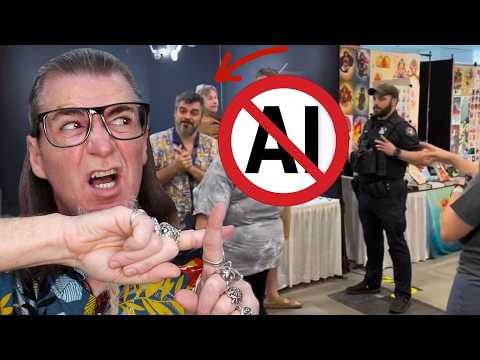
For further insights into the implications of AI in the art world, consider watching the following video:
Sources:
Original Source
Read original articlePremium AI Tools
Create Incredible AI Images Today
Join thousands of creators worldwide using PixelDojo to transform their ideas into stunning visuals in seconds.
125
Creative AI Tools
4M+
Creations
60+
AI Video Models