Industry News
Deepfakes in 2025: Unprecedented Advancements and Emerging Threats
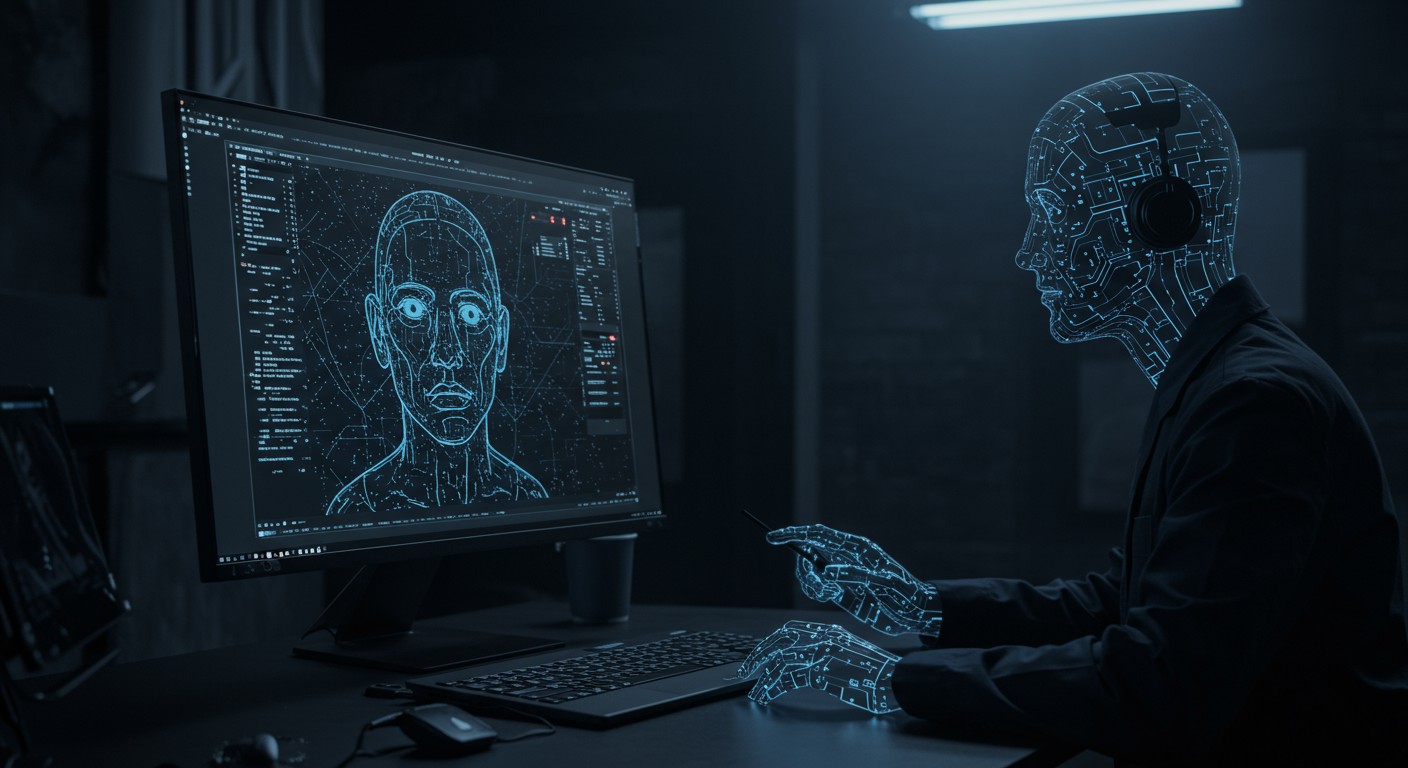
In 2025, deepfake technology has advanced significantly, leading to increased misuse in cybercrime, misinformation, and privacy violations. This article explores the current state of deepfakes, their implications, and how tools like PixelDojo can help users navigate this evolving landscape.
The Evolution of Deepfake Technology in 2025
Deepfake technology has undergone remarkable advancements in 2025, making it increasingly challenging to distinguish between real and synthetic media. These developments have profound implications across various sectors, including cybersecurity, media, and personal privacy.
Enhanced Realism and Accessibility
Modern deepfake algorithms now produce hyper-realistic images, videos, and audio clips. The quality has improved to the point where even experts find it difficult to detect forgeries without specialized tools. This heightened realism is attributed to:
-
Advanced AI Models: Cutting-edge models like OpenAI's Sora 2 and Google's Veo 3 have set new benchmarks in generating convincing synthetic media.
-
User-Friendly Interfaces: The proliferation of intuitive platforms has democratized deepfake creation, allowing individuals without technical expertise to produce sophisticated forgeries.
Proliferation in Cybercrime
The enhanced accessibility and realism of deepfakes have led to a surge in their use for malicious purposes:
-
Financial Fraud: Cybercriminals employ deepfake audio and video to impersonate executives, leading to unauthorized transactions. Notably, a case involved AI-generated audio mimicking a CEO's voice, resulting in a $35 million fraudulent transfer. (linkedin.com)
-
Misinformation Campaigns: Deepfakes have been utilized to create fabricated news events, such as false depictions of riots or election fraud, undermining public trust and influencing political outcomes. (time.com)
-
Cyberbullying and Harassment: Schools report incidents where students use deepfakes to create explicit images of peers, leading to severe psychological impacts and legal consequences. (apnews.com)
Legislative Responses
In response to the growing threat, several legislative measures have been enacted:
-
TAKE IT DOWN Act: This U.S. federal law mandates the removal of non-consensual intimate deepfake content within 48 hours of notification, aiming to protect individuals from digital exploitation. (time.com)
-
ELVIS Act: Tennessee's legislation safeguards musicians from unauthorized AI-generated voice and image reproductions, addressing concerns in the entertainment industry. (en.wikipedia.org)
Detection and Mitigation Efforts
To combat the misuse of deepfakes, various detection tools and strategies have been developed:
-
Vastav AI: An Indian-developed system that utilizes machine learning and forensic analysis to identify deepfake content, offering real-time detection capabilities. (en.wikipedia.org)
-
Action Unit-Guided Video Representations: Research has introduced methods focusing on subtle facial movements to detect localized deepfake manipulations, enhancing detection accuracy. (arxiv.org)
The Role of PixelDojo in Navigating Deepfake Technology
As deepfake technology becomes more sophisticated, tools like PixelDojo provide users with resources to understand and responsibly engage with AI-generated media:
-
Image Analyzer: This tool allows users to analyze and describe images, helping identify potential deepfake content by examining inconsistencies or anomalies. Explore Image Analyzer
-
Video Autocaption: By automatically adding captions to videos, this feature can assist in verifying the authenticity of spoken content, offering an additional layer of scrutiny. Try Video Autocaption
-
Face Swap: While primarily designed for creative purposes, understanding how face-swapping technology works can provide insights into the mechanics of deepfakes, fostering a more informed user base. Discover Face Swap
Looking Ahead: Preparing for Future Challenges
The trajectory of deepfake technology suggests continued advancements, including real-time generation capabilities and more seamless integrations into various media forms. To prepare for these challenges:
-
Education and Awareness: Staying informed about the latest developments in deepfake technology is crucial. Engaging with platforms like PixelDojo can enhance understanding and promote responsible use.
-
Adoption of Detection Tools: Utilizing advanced detection systems can help identify and mitigate the impact of deepfakes.
-
Advocacy for Robust Legislation: Supporting and advocating for comprehensive laws that address the ethical and legal implications of deepfakes can contribute to a safer digital environment.
In conclusion, while deepfake technology offers innovative possibilities, it also presents significant challenges. By leveraging tools like PixelDojo and staying vigilant, individuals and organizations can navigate this evolving landscape responsibly.
Original Source
Read original articlePremium AI Tools
Create Incredible AI Images Today
Join thousands of creators worldwide using PixelDojo to transform their ideas into stunning visuals in seconds.
125
Creative AI Tools
4M+
Creations
60+
AI Video Models