Industry News
Deepfakes in 2025: Unprecedented Advancements and Future Implications
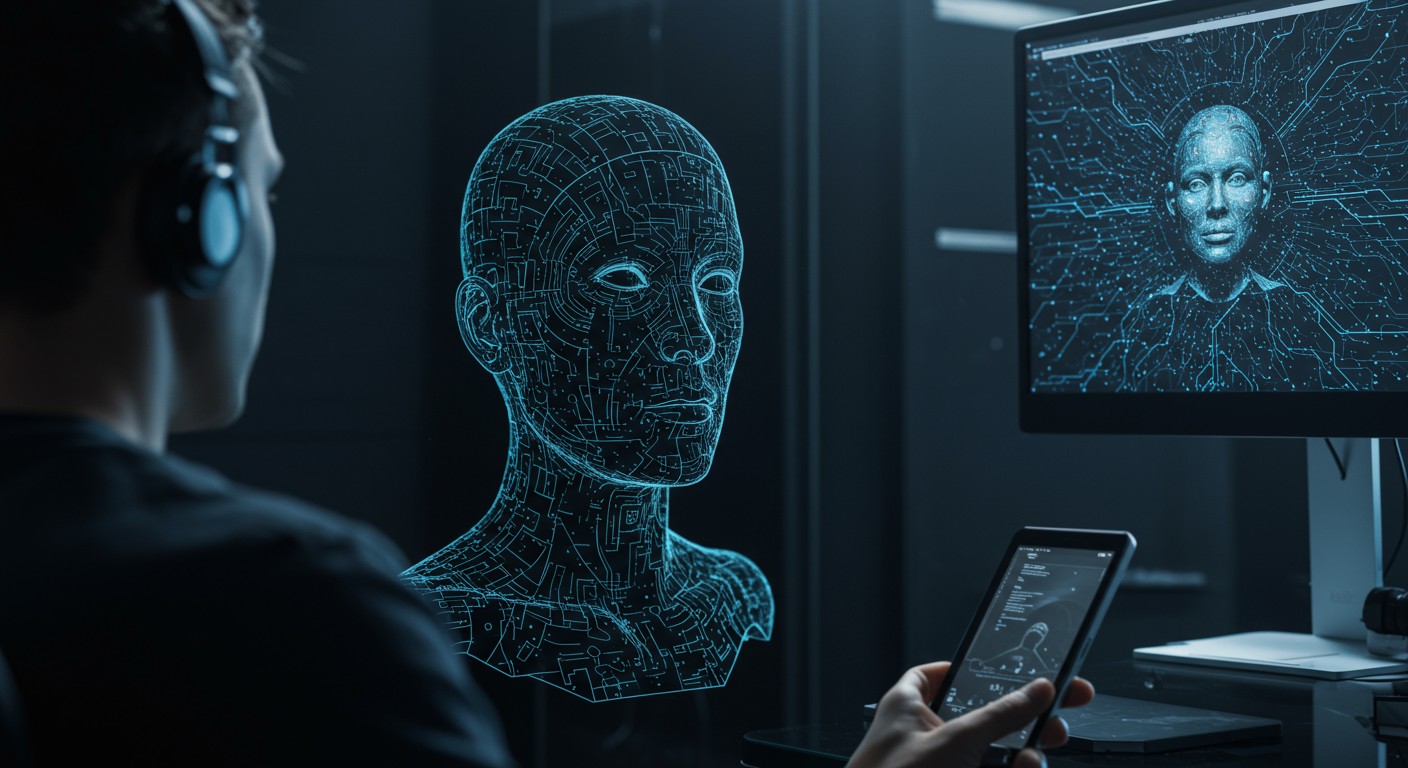
In 2025, deepfake technology reached new heights, producing hyper-realistic audio and video content that is nearly indistinguishable from reality. This article explores the technological advancements, the challenges they pose, and the future trajectory of deepfakes.
The Evolution of Deepfake Technology in 2025
In 2025, deepfake technology underwent significant advancements, resulting in the creation of hyper-realistic audio and video content that is nearly indistinguishable from authentic media. This evolution has been driven by several key factors:
-
Enhanced AI Models: The development of sophisticated AI models, such as OpenAI's Sora 2 and Google's Veo 3, has enabled the generation of high-fidelity deepfakes with minimal input. These tools allow users to create polished audio-visual media rapidly, democratizing the production of deepfakes. (downtoearth.org.in)
-
Real-Time Generation: The capability to produce deepfakes in real-time has emerged, facilitating their use in live scenarios. This advancement has been exploited in various fraudulent activities, including impersonation during video calls and the creation of deceptive live broadcasts. (cincodias.elpais.com)
-
Accessibility of Tools: The proliferation of user-friendly deepfake creation tools has lowered the barrier to entry, enabling individuals without technical expertise to generate convincing deepfakes. This widespread accessibility has contributed to the surge in deepfake content across various platforms.
Implications and Challenges
The rapid advancement of deepfake technology in 2025 has introduced several challenges:
-
Misinformation and Disinformation: The ability to create realistic deepfakes has been exploited to spread false information, manipulate public opinion, and incite unrest. For instance, Google's Veo 3 has been used to generate fake scenes of riots and election fraud, raising concerns about its potential misuse. (time.com)
-
Financial Fraud: Deepfakes have been utilized in sophisticated scams, leading to significant financial losses. Reports indicate a 500% increase in deepfake-related scams in 2025 compared to the previous year, with some cases resulting in losses exceeding $25 million. (markets.chroniclejournal.com)
-
Privacy Violations: The creation of non-consensual deepfake content, such as synthetic pornography, has raised serious privacy concerns. This misuse has prompted legislative actions, including the enactment of the TAKE IT DOWN Act in the United States, which criminalizes the creation and distribution of non-consensual deepfake content. (time.com)
Legislative and Technological Responses
In response to the challenges posed by deepfakes, several measures have been implemented:
-
Legislation: Various jurisdictions have enacted laws to combat the misuse of deepfake technology. For example, New Jersey criminalized the creation and distribution of deceptive AI-generated media, imposing penalties of up to five years in prison. (apnews.com)
-
Detection Technologies: The development of deepfake detection systems has been prioritized. India's Vastav AI, for instance, utilizes machine learning and forensic analysis to identify AI-generated media, assisting in mitigating the spread of deepfakes. (en.wikipedia.org)
Future Outlook
Looking ahead, deepfake technology is expected to continue evolving, presenting both opportunities and challenges:
-
Integration with AR and VR: The incorporation of deepfake AI into augmented and virtual reality platforms is anticipated to enhance user experiences by enabling realistic interactions with virtual personas. However, this integration also raises concerns about the potential for misuse in creating deceptive virtual environments. (globenewswire.com)
-
Advancements in Detection: As deepfakes become more sophisticated, the development of advanced detection methods will be crucial. Research into action unit-guided video representations offers promising avenues for identifying subtle manipulations in deepfake videos. (arxiv.org)
-
Ethical Considerations: The ethical implications of deepfake technology will continue to be a focal point. Balancing innovation with the prevention of misuse will require ongoing dialogue among technologists, policymakers, and society at large.
Exploring Deepfake Technology with PixelDojo
For individuals interested in exploring the capabilities of AI-generated media, PixelDojo offers a suite of tools that align with the advancements in deepfake technology:
-
Sora 2: OpenAI's Sora 2 video generation tool enables users to create high-quality videos from text or image prompts, showcasing the potential of AI in media creation. Explore Sora 2
-
VEO 3.1: Google's Veo 3.1 provides advanced video generation capabilities with reference images and audio, allowing for the creation of realistic and contextually accurate videos. Discover VEO 3.1
-
Runway Gen-4 Video: This tool facilitates the generation of high-quality videos with precise character and object consistency, demonstrating the advancements in AI-driven video production. Try Runway Gen-4 Video
By utilizing these tools, users can gain firsthand experience with the technologies that are shaping the future of media creation, while also understanding the importance of ethical considerations in their application.
Conclusion
The year 2025 marked a significant milestone in the evolution of deepfake technology, bringing forth unprecedented capabilities and associated challenges. As we move forward, it is imperative to foster responsible innovation, implement effective detection mechanisms, and establish robust legal frameworks to mitigate the risks posed by deepfakes. Engaging with platforms like PixelDojo can provide valuable insights into the potential and limitations of AI-generated media, contributing to a more informed and vigilant society.
Original Source
Read original articlePremium AI Tools
Create Incredible AI Images Today
Join thousands of creators worldwide using PixelDojo to transform their ideas into stunning visuals in seconds.
125
Creative AI Tools
4M+
Creations
60+
AI Video Models