Industry News
Enhancing Gastrointestinal Endoscopic AI Models with EndoStyle's Image Style Transfer
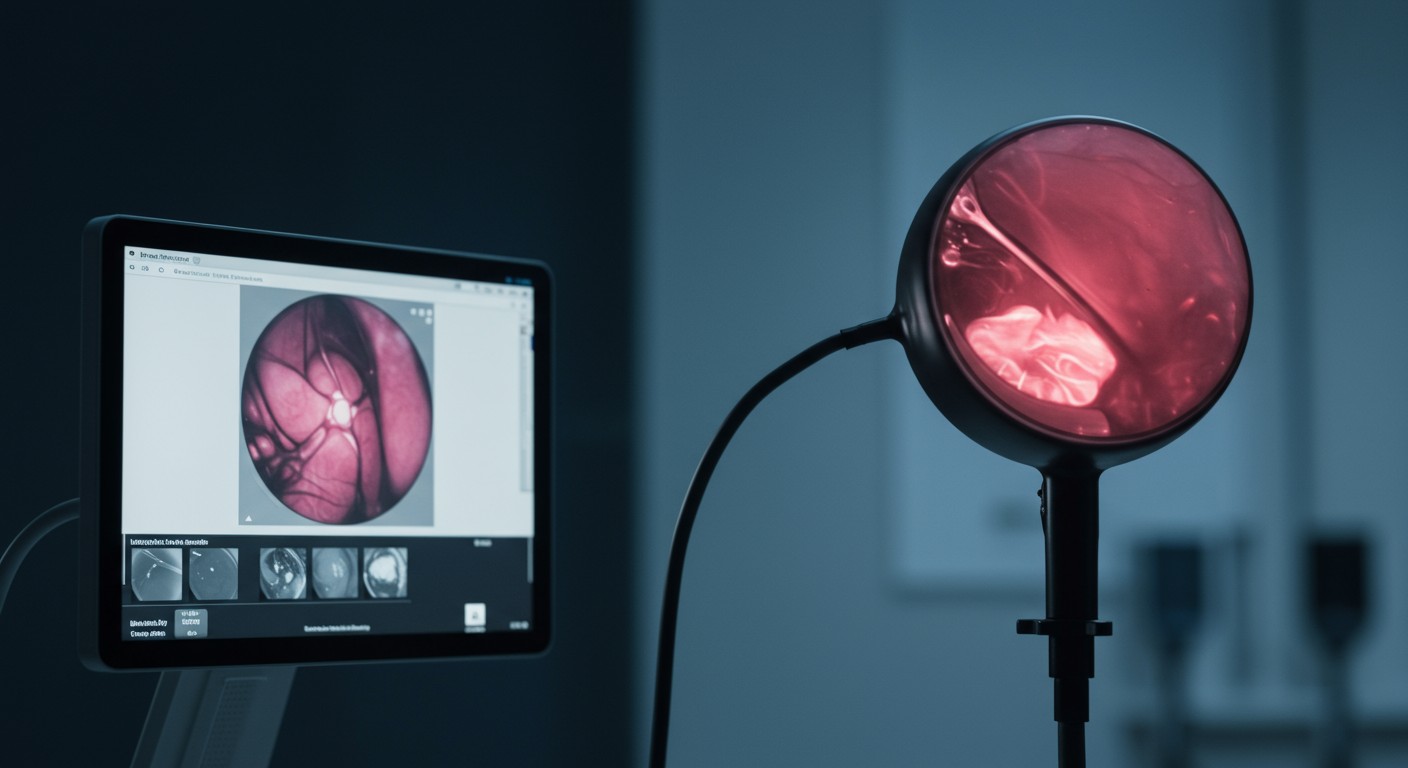
EndoStyle, an AI-driven style transfer system, harmonizes gastrointestinal endoscopic images across different video processors, significantly improving the precision and specificity of polyp detection models by reducing false positives by over 40%.
Introduction
Artificial intelligence (AI) is revolutionizing gastrointestinal (GI) endoscopy by enhancing the detection and classification of polyps. However, a significant challenge arises due to the variability in images produced by different endoscopic video processors. This inconsistency can hinder the performance of AI models trained on data from a single processor type. Addressing this issue, researchers have developed EndoStyle, an AI-based style transfer system designed to standardize endoscopic images across various processors, thereby improving the generalization and accuracy of AI prediction models.
The Challenge of Image Variability in Endoscopy
Endoscopic procedures utilize various video processors, each imparting unique visual characteristics to the captured images. This variability poses a challenge for AI models, which may struggle to generalize across different processor outputs. Consequently, models trained on images from one processor may underperform when applied to images from another, leading to decreased accuracy in polyp detection and classification.
Introducing EndoStyle: AI-Powered Image Harmonization
EndoStyle employs a StarGANv2-based architecture to perform style transfer on endoscopic images. By learning the distinct visual styles of five different endoscopic processors, EndoStyle can transform images from one processor to mimic the style of another. This capability allows for the creation of a harmonized dataset, enabling AI models to be trained on a diverse range of image styles without the need for extensive manual annotation.
Validation and Performance Enhancement
The effectiveness of EndoStyle was validated through multiple metrics:
-
Fréchet Inception Distance (FID) and Learned Perceptual Image Patch Similarity (LPIPS): These metrics indicated high visual fidelity and perceptual similarity between the original and style-transferred images, confirming that EndoStyle preserves essential diagnostic features during the transformation process.
-
Semantic Similarity Analysis: Utilizing three foundation models, researchers confirmed that the content and style consistency of the transformed images were maintained, ensuring that the clinical relevance of the images was not compromised.
-
Clinical Evaluation: In a multicenter study, endoscopists assessed the realism of the style-transferred images. The results showed that real and transformed images were considered equally realistic, demonstrating the practical applicability of EndoStyle in clinical settings.
Impact on AI Model Performance
Integrating EndoStyle into the training pipeline of polyp detection models yielded significant improvements:
-
Precision and Specificity: The inclusion of style-transferred images in the training data enhanced the models' precision and specificity.
-
Reduction in False Positives: Notably, there was a reduction of over 40% in false positives across two distinct evaluation datasets, indicating a substantial enhancement in model reliability and accuracy.
Broader Implications and Future Directions
The development of EndoStyle underscores the importance of addressing data heterogeneity in medical imaging. By harmonizing images from different sources, AI models can achieve better generalization, leading to more accurate and reliable diagnostic tools. Future research may explore the application of similar style transfer techniques in other medical imaging domains, further enhancing the robustness of AI-driven diagnostic systems.
Exploring Style Transfer with PixelDojo's Tools
For those interested in experimenting with style transfer techniques similar to EndoStyle, PixelDojo offers a suite of AI tools that facilitate image transformation and enhancement:
-
Style Transfer: This tool allows users to apply artistic styles to photos, enabling the exploration of how different visual styles can be transferred onto images. Learn more
-
Image to Image: Transform existing images using AI, providing a platform to experiment with various image modifications and enhancements. Discover more
-
Inpainting: Edit specific areas of an image, useful for refining and adjusting images post-style transfer. Explore this tool
By leveraging these tools, users can gain hands-on experience with AI-driven image transformation techniques, deepening their understanding of style transfer applications in medical imaging and beyond.
Conclusion
EndoStyle represents a significant advancement in the field of AI-assisted gastrointestinal endoscopy. By effectively harmonizing images from various endoscopic processors, it addresses a critical challenge in AI model training, leading to improved diagnostic accuracy and reliability. As AI continues to integrate into medical diagnostics, tools like EndoStyle will be instrumental in ensuring that technological advancements translate into tangible benefits for patient care.
Original Source
Read original articlePremium AI Tools
Create Incredible AI Images Today
Join thousands of creators worldwide using PixelDojo to transform their ideas into stunning visuals in seconds.
125
Creative AI Tools
4M+
Creations
60+
AI Video Models