Industry News
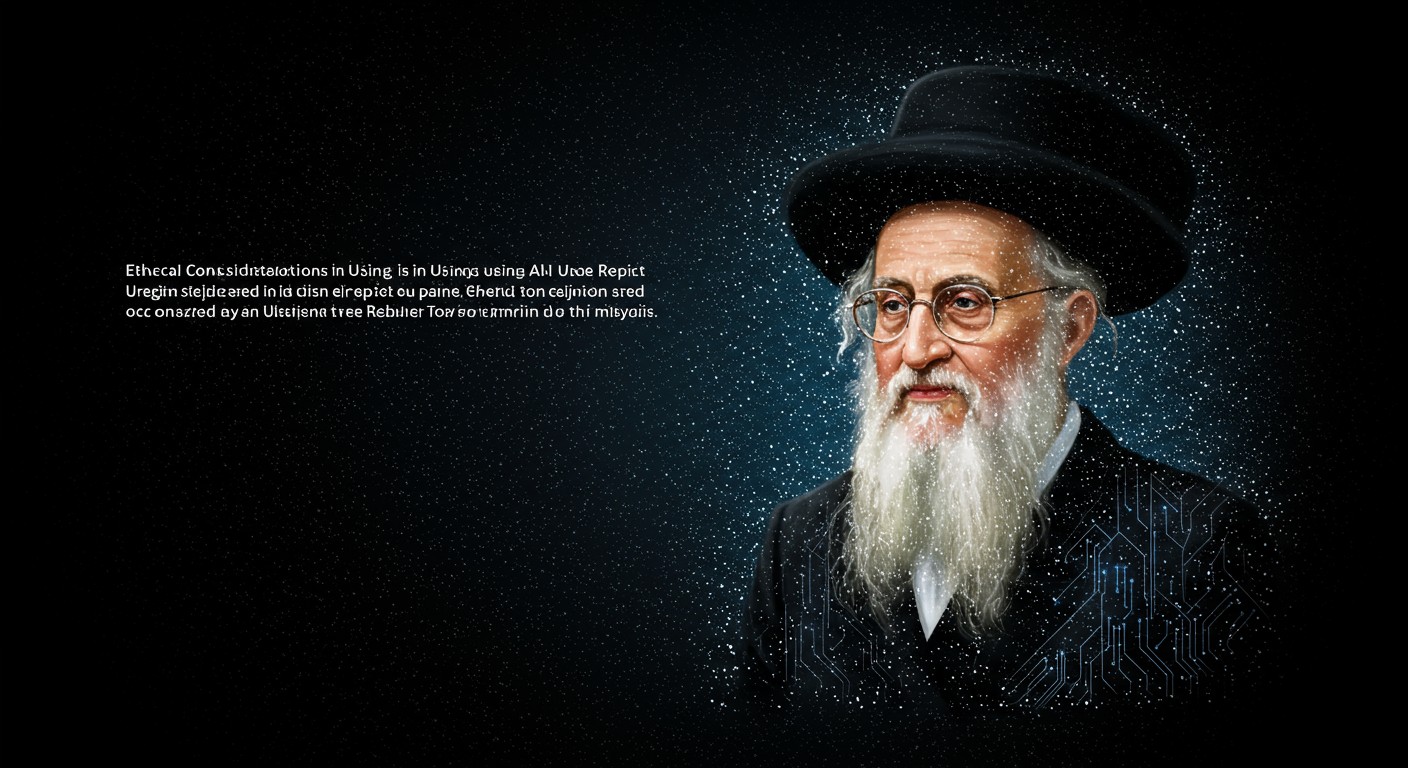
Ethical Considerations in Using AI to Depict Religious Figures: The Case of the Rebbe
This article explores the ethical implications of using AI-generated images and videos to depict religious figures, focusing on the recent debate surrounding the creation of AI representations of the Lubavitcher Rebbe. It examines the perspectives of the Chabad-Lubavitch community, the capabilities of AI tools, and the broader ethical considerations involved.
Introduction
The advent of artificial intelligence (AI) has revolutionized the creation of images and videos, enabling the generation of highly realistic and imaginative content. However, this technological advancement has sparked ethical debates, particularly concerning the depiction of revered religious figures. A recent discussion within the Chabad-Lubavitch community highlights these concerns, focusing on the use of AI to create images and videos of the Lubavitcher Rebbe, Rabbi Menachem Mendel Schneerson.
The Rebbe's Legacy and the Chabad Perspective
Rabbi Menachem Mendel Schneerson, known as the Rebbe, was a central figure in the Chabad-Lubavitch movement, profoundly influencing Jewish thought and practice. His teachings and image hold deep significance for his followers. The community's reverence for the Rebbe raises questions about the appropriateness of using AI to generate representations of him.
Ethical Concerns with AI-Generated Depictions
The primary ethical concerns include:
-
Authenticity and Respect: AI-generated images may lack the authenticity and spiritual essence associated with the Rebbe's original photographs and videos. There's a risk that such creations could be perceived as disrespectful or trivializing his legacy.
-
Potential for Misuse: AI-generated content can be manipulated, leading to misrepresentations that might mislead or offend members of the community.
-
Consent and Intent: Creating and disseminating AI-generated images of the Rebbe without explicit consent from the community or his estate raises questions about intent and respect for his memory.
AI Tools and Their Capabilities
AI tools have made significant strides in image and video generation. For instance, PixelDojo offers a suite of tools that enable users to create and edit visual content:
-
Generate Images: Tools like GPT-Image and ImagineArt 1.0 allow for the creation of highly detailed and realistic images based on textual prompts.
-
Generate Videos: Sora 2 and VEO 3.1 facilitate the generation of cinematic videos, offering capabilities like reference image integration and audio synchronization.
-
Edit Images: Features such as Inpainting and Style Transfer enable users to modify existing images, altering specific areas or applying artistic styles.
While these tools offer creative possibilities, their use in depicting religious figures like the Rebbe necessitates careful consideration of ethical implications.
Balancing Innovation with Respect
The Chabad-Lubavitch community's concerns underscore the need to balance technological innovation with respect for religious and cultural sensitivities. When considering the use of AI tools to depict revered figures, it's essential to:
-
Engage with the Community: Seek input and guidance from community leaders and members to understand their perspectives and concerns.
-
Establish Guidelines: Develop clear guidelines that respect the legacy and teachings of the figure being depicted, ensuring that AI-generated content aligns with community values.
-
Ensure Transparency: Clearly label AI-generated images and videos to prevent confusion and maintain trust within the community.
Conclusion
The discussion surrounding the use of AI to create images and videos of the Lubavitcher Rebbe highlights broader ethical considerations in the intersection of technology and religious representation. While AI tools like those offered by PixelDojo provide powerful capabilities for image and video generation, their application in depicting religious figures requires a thoughtful approach that honors the legacy and values of the communities involved.
By engaging in open dialogue and establishing respectful guidelines, it's possible to harness the benefits of AI technology while preserving the integrity and reverence associated with religious figures.
Original Source
Read original articlePremium AI Tools
Create Incredible AI Images Today
Join thousands of creators worldwide using PixelDojo to transform their ideas into stunning visuals in seconds.
125
Creative AI Tools
4M+
Creations
60+
AI Video Models