Industry News
Gallery's Use of AI-Generated Art Sparks Debate on Creativity and Authenticity
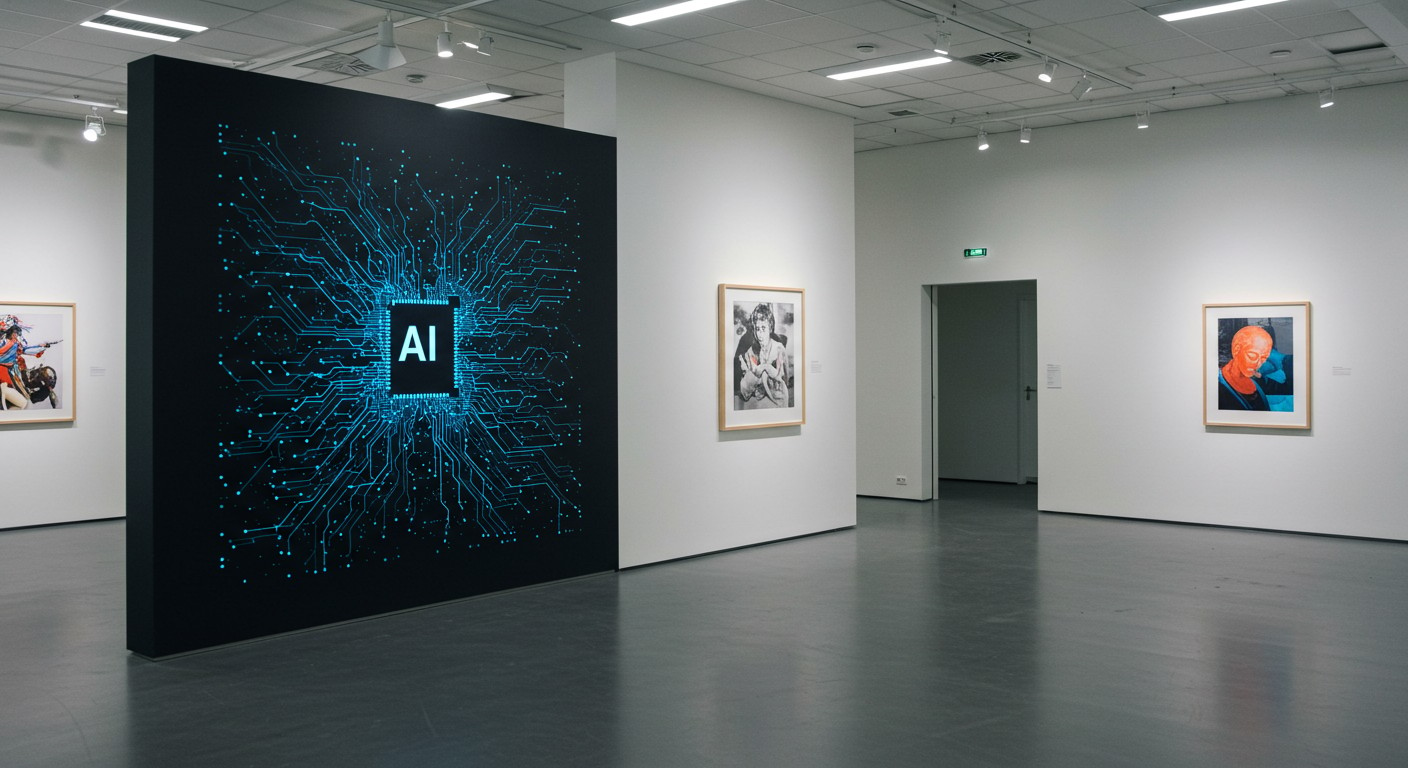
A recent exhibition featuring AI-generated images has ignited discussions about the role of artificial intelligence in art, prompting a gallery to defend its decision amidst debates on creativity and authenticity.
Introduction
The integration of artificial intelligence (AI) into the art world has reached a new milestone with a recent exhibition showcasing AI-generated images. This event has sparked a heated debate on the nature of creativity, authorship, and the authenticity of art produced by machines. The gallery responsible for the exhibition has stood by its decision, emphasizing the evolving landscape of artistic expression in the digital age.
The Exhibition and Its Reception
The exhibition in question presented a series of artworks entirely generated by AI algorithms. These pieces, characterized by their intricate details and unique styles, were created without direct human intervention. The gallery's initiative aimed to explore the intersection of technology and art, challenging traditional notions of creativity.
However, the exhibition received mixed reactions. Critics argue that AI-generated art lacks the emotional depth and intentionality inherent in human-created works. They question whether machines can truly replicate the nuanced decision-making processes that define artistic expression. Supporters, on the other hand, view AI as a tool that expands the boundaries of creativity, offering new mediums and possibilities for artists.
The Gallery's Defense
In response to the criticism, the gallery defended its decision by highlighting the historical context of technological advancements in art. From the invention of the camera to digital art platforms, technology has continually influenced artistic practices. The gallery emphasized that AI is the latest tool in this progression, offering artists novel ways to express their visions.
Furthermore, the gallery pointed out that AI-generated art does not replace human creativity but rather complements it. Artists can collaborate with AI to explore uncharted territories, generating ideas and forms that might not emerge through traditional methods.
AI in Art: A Broader Perspective
The use of AI in art is not entirely new. Over the past decade, various artists and technologists have experimented with machine learning algorithms to create compelling artworks. AI models can analyze vast datasets of existing art, learn patterns, and generate new pieces that reflect a blend of learned styles.
For instance, platforms like PixelDojo offer tools such as MAI Image, which utilizes Microsoft's text-to-image technology to produce images with crisp detail and natural lighting. Artists can input descriptive text prompts, and the AI generates corresponding images, allowing for rapid prototyping and exploration of visual concepts.
Another notable tool is Nano Banana 2, which enables multi-image fusion and editing using Google's advanced algorithms. This allows artists to merge different images seamlessly, creating complex compositions that would be time-consuming to achieve manually.
Ethical and Philosophical Considerations
The rise of AI-generated art raises several ethical and philosophical questions:
-
Authorship and Ownership: Who owns the rights to an artwork created by an AI? Is it the developer of the algorithm, the user who provided the input, or the AI itself?
-
Authenticity: Can art created by machines be considered authentic? Does the absence of human experience and emotion diminish the value of AI-generated art?
-
Impact on Artists: Will AI tools democratize art creation, allowing more people to express themselves visually, or will they undermine the livelihoods of traditional artists?
These questions do not have straightforward answers and are the subject of ongoing debates among artists, technologists, and ethicists.
The Future of AI in Art
As AI technology continues to evolve, its role in the art world is likely to expand. Tools like Reve 2.1 from PixelDojo, which allows users to generate, edit, or remix up to eight images with frame-level control, exemplify the potential for AI to become an integral part of the creative process.
Artists may increasingly view AI as a collaborator rather than a competitor, using these tools to push the boundaries of their creativity. Educational institutions and art programs might incorporate AI training into their curricula, preparing the next generation of artists to navigate this new landscape.
Conclusion
The recent exhibition of AI-generated images has ignited a crucial conversation about the intersection of technology and art. While opinions vary, it is evident that AI is reshaping the creative process, offering both challenges and opportunities. As the art world continues to grapple with these changes, platforms like PixelDojo provide valuable resources for artists to explore and integrate AI into their practice, ensuring that creativity remains at the forefront of this technological revolution.
Original Source
Read original articlePremium AI Tools
Create Incredible AI Images Today
Join thousands of creators worldwide using PixelDojo to transform their ideas into stunning visuals in seconds.
124
Creative AI Tools
4M+
Creations
60+
AI Video Models