Industry News
Games Workshop Addresses AI-Generated Art Concerns in Warhammer Marketing
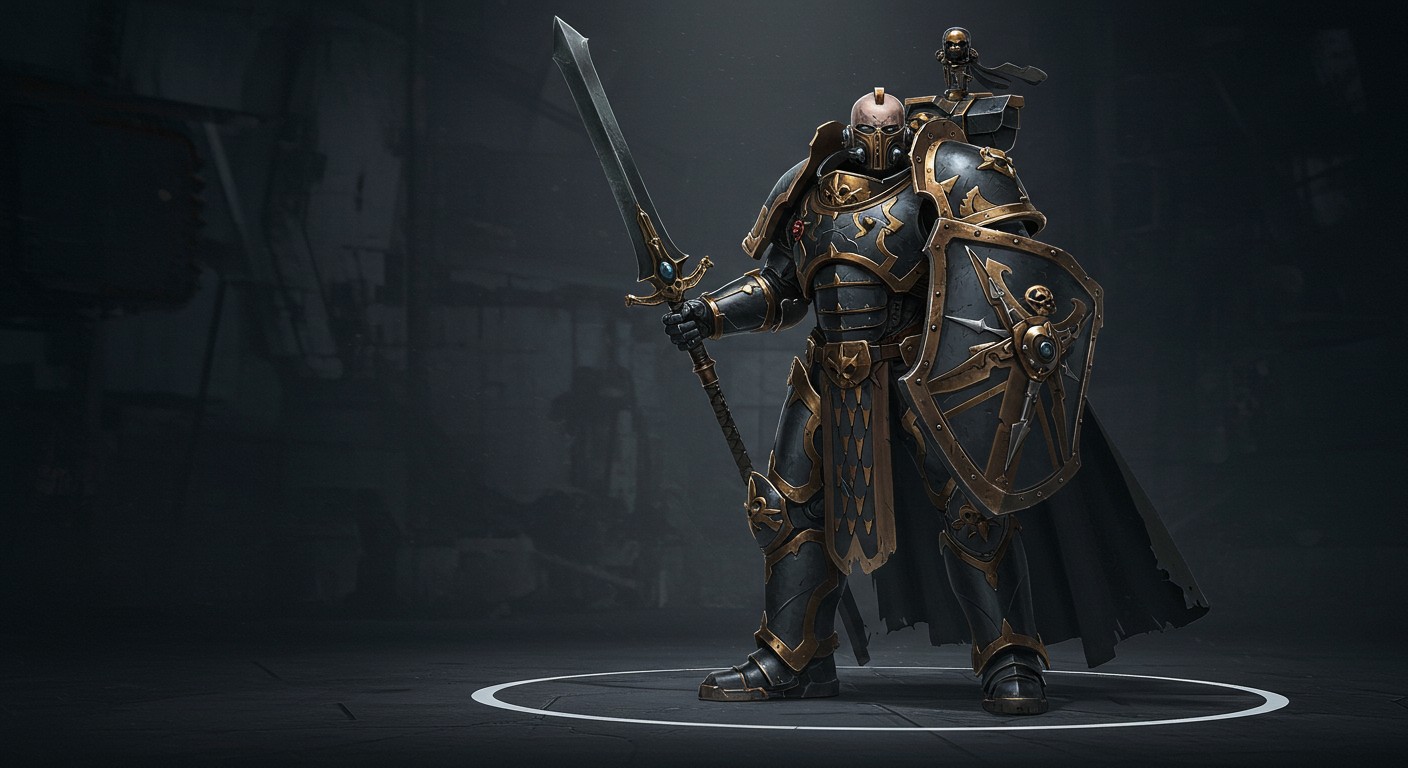
Games Workshop investigates claims of AI-generated art in Warhammer marketing materials, emphasizing their commitment to human artistry. This incident highlights the broader debate on AI's role in creative industries.
Games Workshop's Response to AI Art Allegations
Games Workshop, the renowned publisher behind the Warhammer franchise, has recently come under scrutiny for allegedly incorporating AI-generated imagery into their marketing materials. The company has acknowledged these concerns and is conducting an internal investigation to address what they describe as "a few human errors."
The Allegations
Fans and artists within the Warhammer community raised alarms upon noticing anomalies in certain promotional images. These anomalies, such as irregularities in character designs and backgrounds, are often indicative of AI-generated content. The community's vigilance underscores a growing sensitivity to the authenticity of art in media.
Games Workshop's Commitment to Human Artistry
In response to the allegations, Games Workshop reaffirmed their dedication to human-created art. They emphasized that their brand's essence is deeply rooted in the creativity and craftsmanship of human artists. The company stated that any deviation from this standard is unintentional and is being rectified through their ongoing investigation.
The Broader Implications for the Creative Industry
This incident sheds light on a larger conversation about the integration of AI in creative processes. While AI tools offer efficiency and new possibilities, they also pose challenges related to authenticity, originality, and the value of human creativity.
Exploring AI Art Generation with PixelDojo
For those interested in understanding the capabilities and limitations of AI in art creation, PixelDojo offers a suite of tools that allow users to experiment with AI-generated imagery:
-
MAI Image: Microsoft's text-to-image tool that produces images with crisp detail and natural lighting. Users can input descriptive text prompts to generate detailed images, providing insight into how AI interprets and visualizes textual descriptions.
-
Nano Banana 2: This tool enables multi-image fusion and editing using Google's advanced algorithms. It allows users to combine multiple images into a cohesive piece, showcasing the potential of AI in blending and enhancing visual elements.
-
Reve 2.1: With the capability to generate, edit, or remix up to eight images with frame-level control, Reve 2.1 offers a hands-on experience in manipulating AI-generated content, highlighting both its strengths and limitations.
By utilizing these tools, users can gain a deeper understanding of how AI-generated art is created, its potential applications, and the nuances that distinguish it from human-made art.
The Future of AI in Creative Industries
The Games Workshop incident serves as a reminder of the delicate balance between embracing technological advancements and preserving the integrity of human creativity. As AI continues to evolve, it is imperative for companies and artists to establish clear guidelines and ethical standards for its use in creative processes.
Conclusion
While AI offers exciting possibilities for the future of art and design, the recent concerns surrounding Games Workshop's marketing materials highlight the importance of transparency and authenticity. By exploring AI art generation tools like those offered by PixelDojo, individuals can better appreciate the capabilities of AI while recognizing the irreplaceable value of human creativity in the arts.
Original Source
Read original articlePremium AI Tools
Create Incredible AI Images Today
Join thousands of creators worldwide using PixelDojo to transform their ideas into stunning visuals in seconds.
125
Creative AI Tools
4M+
Creations
60+
AI Video Models