Industry News
Google's Conversational Photo Editor: A Game-Changer in AI-Powered Image Editing
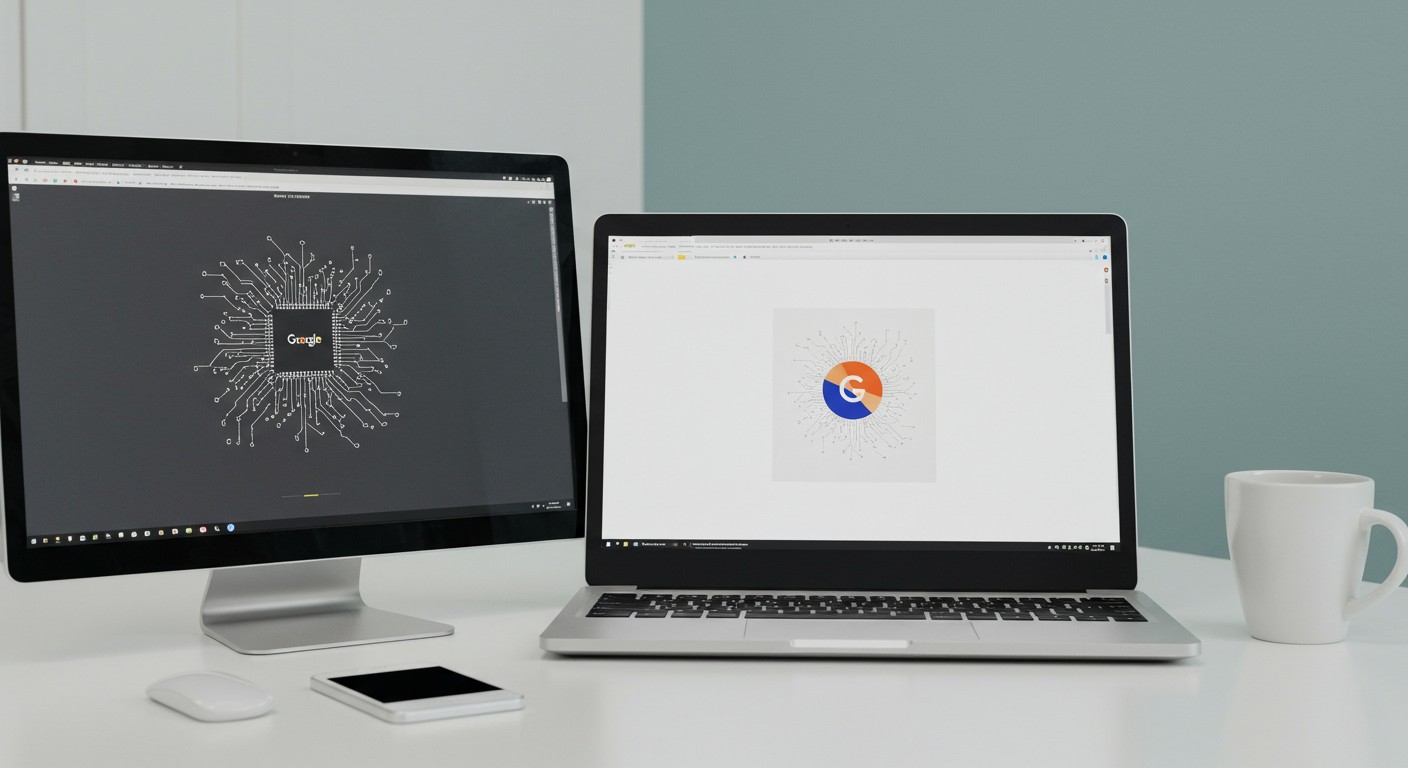
Google's new conversational photo editor introduces a user-friendly approach to image editing by allowing users to make changes through natural language commands. This innovation simplifies the editing process, making advanced photo manipulation accessible to a broader audience.
Introduction
In the rapidly evolving landscape of artificial intelligence, Google's latest innovation—a conversational photo editor—marks a significant leap forward. This tool enables users to edit images using natural language commands, making sophisticated photo editing more accessible than ever before.
The Rise of Conversational AI in Image Editing
Traditionally, photo editing required a combination of technical skills and familiarity with complex software interfaces. Google's conversational photo editor changes this paradigm by allowing users to describe the edits they want in plain language. For example, a user can simply say, "Make the sky more vibrant," and the AI will adjust the image accordingly.
This approach leverages advancements in natural language processing (NLP) and computer vision, enabling the AI to understand and execute user commands effectively. The result is a more intuitive and user-friendly editing experience that caters to both novices and professionals.
PixelDojo: Empowering Users with AI-Driven Creative Tools
While Google's conversational photo editor is a notable advancement, other platforms like PixelDojo have been at the forefront of integrating AI into creative workflows. PixelDojo offers a suite of tools designed to enhance and simplify the creative process:
-
AI Image Generation: Users can generate high-quality images from simple text prompts, streamlining the creation of unique visuals without the need for extensive design skills.
-
Creative Upscaler: This feature allows users to enhance and upscale existing images, improving their quality and resolution effortlessly.
-
Style Transfer: By applying the characteristics of one image to another, users can experiment with different artistic styles and create personalized artwork.
These tools exemplify how AI can democratize creative processes, enabling users to produce professional-quality content with ease.
Implications for the Future of Image Editing
The introduction of conversational AI into photo editing has several profound implications:
-
Accessibility: By reducing the learning curve associated with traditional editing software, more individuals can engage in creative endeavors.
-
Efficiency: Natural language commands can expedite the editing process, allowing for quicker iterations and refinements.
-
Innovation: As AI continues to evolve, we can anticipate more sophisticated features that further enhance the creative process.
Comparing AI-Powered Editing Tools
While Google's conversational photo editor focuses on natural language interactions, platforms like PixelDojo offer a broader range of AI-driven tools that cater to various aspects of the creative process. For instance, PixelDojo's Image-to-Image Transformation feature enables users to modify existing images by applying different styles or elements, providing a versatile approach to image editing.
Conclusion
Google's conversational photo editor represents a significant advancement in making photo editing more intuitive and accessible. Coupled with platforms like PixelDojo, which offer a comprehensive suite of AI-powered creative tools, the future of image editing is poised to be more inclusive and innovative. As these technologies continue to develop, users can look forward to a more seamless and empowering creative experience.
Tags
- AI Image Editing
- Conversational AI
- PixelDojo
- Photo Editing Tools
- Artificial Intelligence
Sources
Original Source
Read original articlePremium AI Tools
Create Incredible AI Images Today
Join thousands of creators worldwide using PixelDojo to transform their ideas into stunning visuals in seconds.
125
Creative AI Tools
4M+
Creations
60+
AI Video Models