Industry News
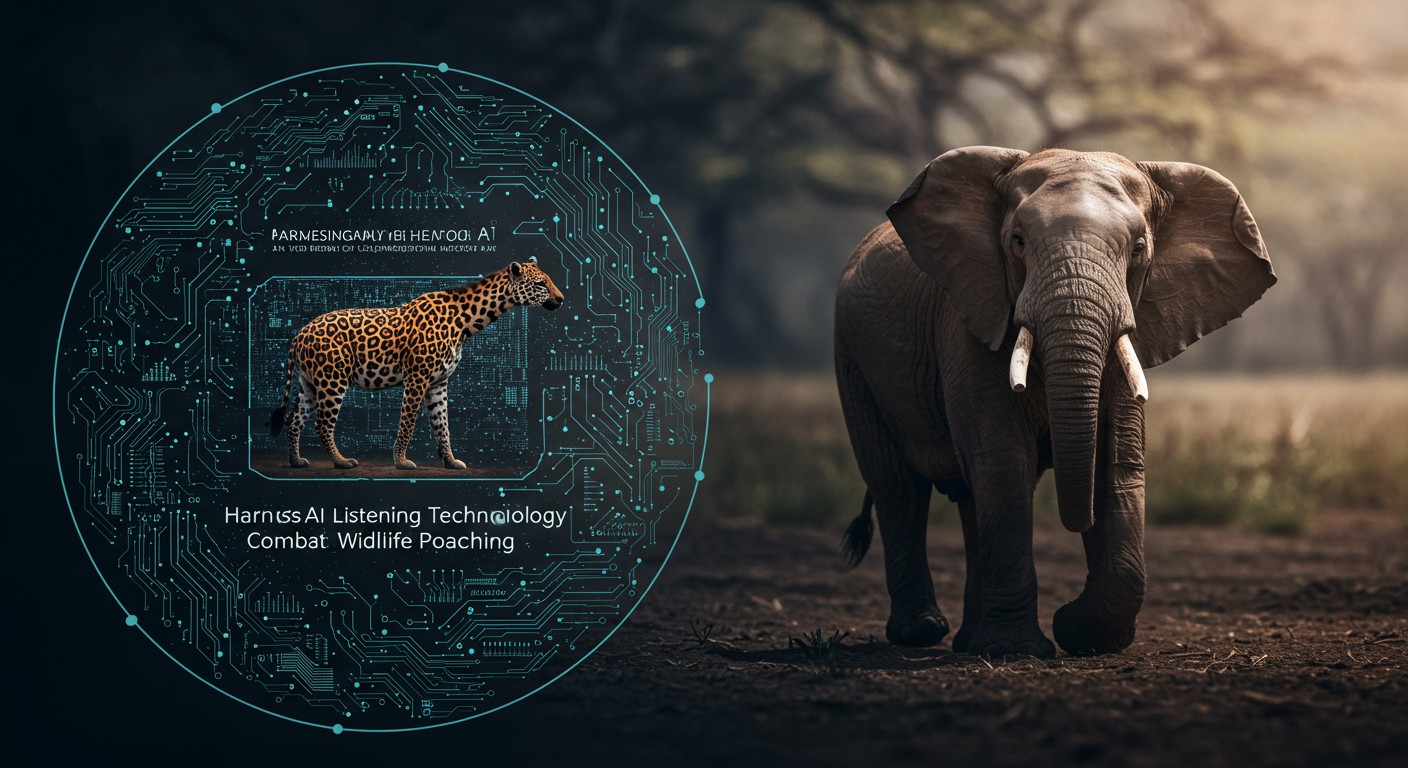
Harnessing AI Listening Technology to Combat Wildlife Poaching
Advancements in AI listening technology are revolutionizing wildlife conservation by enabling real-time detection of poaching activities. These innovations, such as acoustic monitoring systems and AI-driven analysis, provide conservationists with effective tools to protect endangered species.
Introduction
Wildlife poaching remains a significant threat to biodiversity, driving numerous species toward extinction. Traditional anti-poaching methods often fall short due to resource limitations and the vastness of protected areas. However, recent advancements in artificial intelligence (AI) listening technology are offering new hope in the fight against illegal hunting.
AI Listening Technology: A Game Changer in Conservation
Acoustic Monitoring Systems
Acoustic monitoring involves deploying devices that continuously record environmental sounds. These recordings are then analyzed to detect specific noises associated with poaching activities, such as gunshots or human movements in restricted areas. For instance, Panthera's anti-poaching project utilizes AI to analyze sound data, identifying when and where poachers are most active. This approach has led to the apprehension of poachers and the dismantling of illegal camps. (panthera.org)
AI-Powered Analysis
The integration of AI enhances the efficiency of acoustic monitoring. AI algorithms can process vast amounts of audio data, distinguishing between natural sounds and those indicative of human intrusion. This capability allows for real-time alerts to rangers, enabling swift responses to potential threats. The PAWS (Protection Assistant for Wildlife Security) system exemplifies this by using machine learning to predict poaching behavior based on various environmental factors, thereby optimizing patrol routes. (nationalgeographic.com)
Complementary AI Technologies in Wildlife Protection
AI-Enabled Camera Systems
In addition to acoustic monitoring, AI-driven camera systems play a crucial role in detecting poachers. Devices like TrailGuard AI utilize computer vision to identify humans and vehicles entering protected areas. Upon detection, these systems send immediate alerts to rangers, facilitating prompt intervention. (smithsonianmag.com)
Drone Surveillance
Drones equipped with thermal imaging and AI capabilities offer aerial surveillance, detecting poachers operating under the cover of darkness. By analyzing movement patterns, these drones can differentiate between humans and animals, providing accurate real-time data to conservationists. (discovermagazine.com)
The Role of AI in Image and Video Generation for Conservation
AI technologies are not only instrumental in detecting poaching activities but also in generating visual data that aids conservation efforts. For example, AI can create detailed images and videos of wildlife, assisting in species identification and monitoring.
PixelDojo's Contribution
PixelDojo offers a suite of AI tools that can be leveraged in conservation:
-
Image-to-Image Transformation: This tool allows users to enhance and modify wildlife images, aiding in the identification of species and monitoring of individual animals over time.
-
Text-to-Video Generation: Conservationists can use this feature to create educational videos from textual descriptions, raising awareness about endangered species and the impact of poaching.
-
Stable Diffusion Tool: By generating high-quality images from textual prompts, this tool can assist in visualizing wildlife scenarios, which is beneficial for training and educational purposes.
Challenges and Future Directions
While AI listening technology presents a promising avenue for combating poaching, challenges remain. The accuracy of AI models depends on the quality and diversity of training data. Additionally, deploying and maintaining these systems in remote areas can be logistically challenging.
Future developments may focus on improving the robustness of AI models, integrating multiple data sources (audio, visual, and environmental), and enhancing the scalability of these technologies. Collaboration between technology developers, conservationists, and local communities will be essential in refining these tools and ensuring their effectiveness in diverse ecological contexts.
Conclusion
The integration of AI listening technology into wildlife conservation strategies marks a significant advancement in protecting endangered species. By enabling real-time detection and response to poaching activities, these technologies offer a proactive approach to conservation. Tools like those provided by PixelDojo further enhance these efforts by facilitating the creation and analysis of visual data, underscoring the multifaceted role of AI in safeguarding our planet's biodiversity.
Original Source
Read original articlePremium AI Tools
Create Incredible AI Images Today
Join thousands of creators worldwide using PixelDojo to transform their ideas into stunning visuals in seconds.
125
Creative AI Tools
4M+
Creations
60+
AI Video Models