Industry News
Imaging After Photography: Exploring AI's Impact on Visual Art at the Moody Center for the Arts
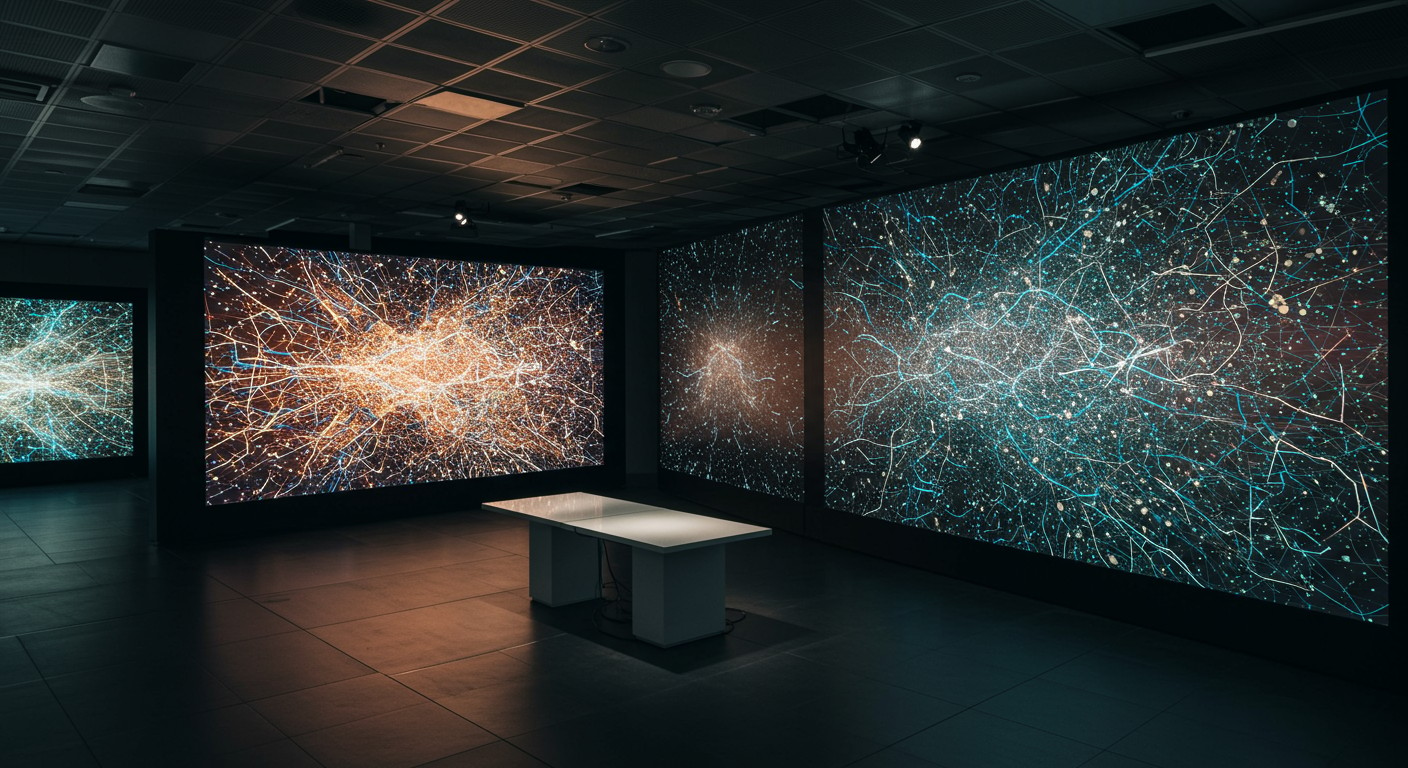
The Moody Center for the Arts at Rice University presents 'Imaging After Photography,' an exhibition running from January 23 to May 9, 2026, that examines the transformative influence of artificial intelligence on photography through the works of seven contemporary artists.
Introduction
The advent of artificial intelligence (AI) has revolutionized numerous fields, with photography being no exception. The Moody Center for the Arts at Rice University is currently hosting an exhibition titled "Imaging After Photography," running from January 23 to May 9, 2026. This exhibition delves into how AI is reshaping the landscape of visual art, particularly photography, by featuring works from seven contemporary artists who integrate AI into their creative processes.
Exhibition Overview
"Imaging After Photography" brings together artists Nouf Aljowaysir, Refik Anadol, Grégory Chatonsky, Sofia Crespo, Joan Fontcuberta, Lisa Oppenheim, and Trevor Paglen. Each artist explores the intersection of AI and photography, challenging traditional notions of authorship, authenticity, and the historical record. The exhibition coincides with the 40th anniversary of FotoFest, the international photography biennial hosted in Houston, providing a timely platform for this critical discourse.
Featured Artists and Works
-
Trevor Paglen: Known for examining the politics of images and the infrastructures behind contemporary life, Paglen's work in this exhibition scrutinizes facial recognition systems and massive image databases used to train AI models. His pieces prompt viewers to consider the implications of surveillance and data collection in the digital age.
-
Lisa Oppenheim: Oppenheim utilizes machine learning to generate images of an extinct iris variety named after photographer Edward Steichen. Her work bridges historical photographic techniques with modern AI, questioning the boundaries between past and present visual representations.
-
Sofia Crespo: Drawing on 19th-century cyanotypes, Crespo employs neural networks to reinterpret biological forms. Her art reflects on how AI can reimagine natural systems, offering a speculative view of nature through the lens of technology.
-
Joan Fontcuberta: By blending analog photography with AI-generated imagery, Fontcuberta challenges viewers' ability to distinguish between the natural and the synthetic. His work raises questions about perception and the authenticity of images in the era of AI.
Symposium and Public Programs
To further explore the themes presented in the exhibition, the Moody Center for the Arts is hosting the "Imaging After Photography Symposium" on March 6, 2026. This half-day event features a keynote by K Allado-McDowell and discussions led by technologist Rashed Haq and Rice professor Rodrigo Ferreira. Panelists include exhibiting artists and scholars who will delve into the ethical and creative implications of AI in visual arts. Learn more about the symposium here.
The Role of AI in Contemporary Art
The exhibition and symposium highlight the growing influence of AI in art creation. Artists are increasingly leveraging AI tools to push the boundaries of creativity, exploring new forms of expression and challenging traditional artistic processes. This integration prompts critical questions about authorship, originality, and the role of technology in shaping visual culture.
Exploring AI Art Creation with PixelDojo
For those inspired by the exhibition and interested in exploring AI-driven art creation, PixelDojo offers a suite of tools that align with the themes presented in "Imaging After Photography":
-
GPT-Image: Utilizing OpenAI's latest technology with strong prompt adherence, GPT-Image allows users to generate images based on textual descriptions, enabling the creation of unique visual content. Explore GPT-Image here.
-
Flux.2 Studio: This tool provides access to Pro and Dev models with multi-reference capabilities, allowing artists to experiment with various styles and references to create complex AI-generated images. Discover Flux.2 Studio here.
-
Seedream 4.5: Offering cinematic AI with superior aesthetics, Seedream 4.5 enables the creation of high-quality, visually appealing images that can complement artistic projects. Learn more about Seedream 4.5 here.
By utilizing these tools, artists and enthusiasts can engage with AI technologies to create and manipulate images, mirroring the innovative approaches showcased in the Moody Center's exhibition.
Conclusion
"Imaging After Photography" at the Moody Center for the Arts serves as a pivotal exploration of how AI is transforming the field of photography and visual art. Through the works of the featured artists and accompanying programs, the exhibition invites viewers to reflect on the evolving relationship between technology and creativity. As AI continues to permeate artistic practices, platforms like PixelDojo provide accessible avenues for individuals to experiment with and contribute to this dynamic intersection of art and technology.
For more information on the exhibition and related events, visit the Moody Center for the Arts website.
Original Source
Read original articlePremium AI Tools
Create Incredible AI Images Today
Join thousands of creators worldwide using PixelDojo to transform their ideas into stunning visuals in seconds.
125
Creative AI Tools
4M+
Creations
60+
AI Video Models