Industry News
Leading Companies Reinforce Their Presence in the Generative AI Art Market
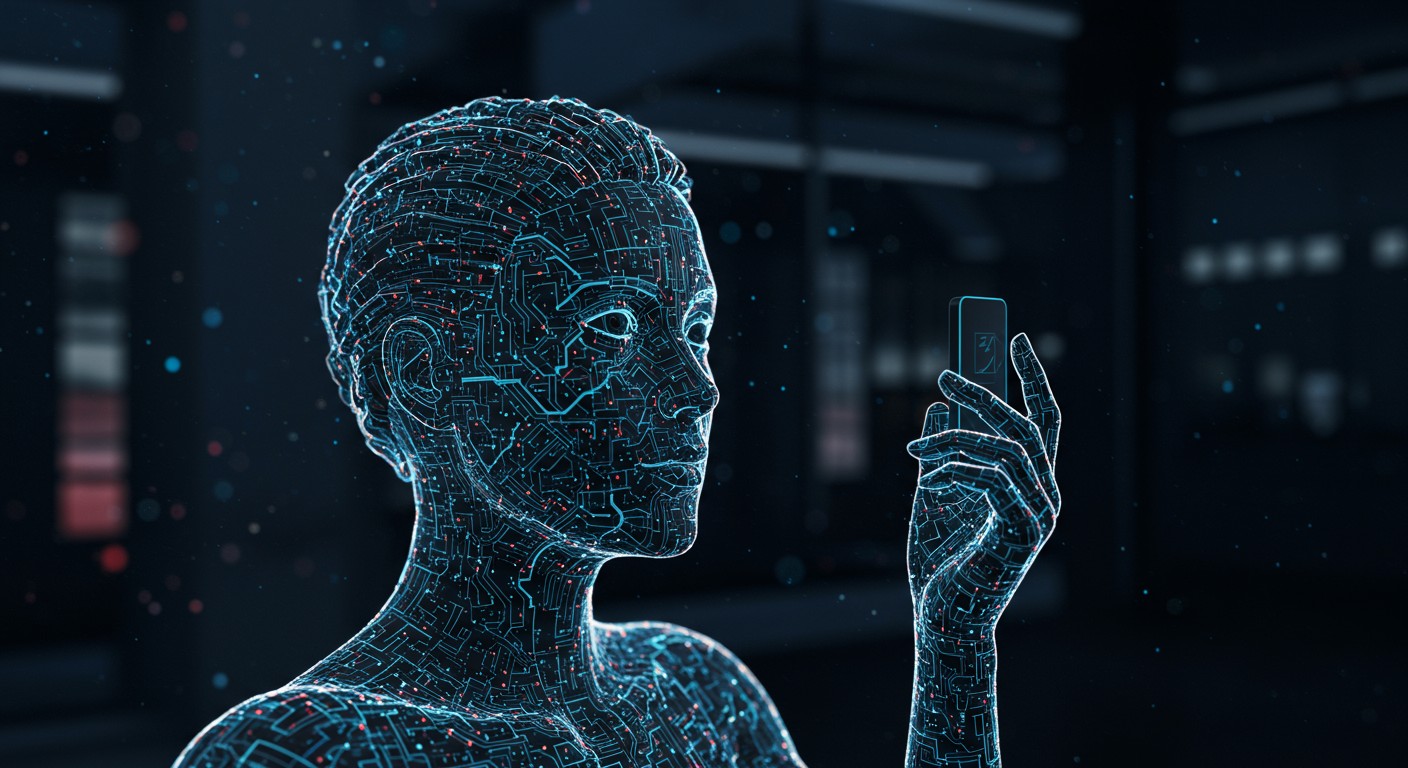
Major corporations are intensifying their investments in generative AI technologies, significantly impacting the art world by introducing advanced tools and platforms that redefine artistic creation and distribution.
The Surge of Generative AI in the Art World
In recent years, generative artificial intelligence (AI) has transitioned from a niche technological experiment to a central force in the art industry. Leading companies are now heavily investing in AI-driven tools, reshaping how art is created, distributed, and consumed.
Corporate Investments and Innovations
Adobe's Expansion into AI Art
Adobe has been at the forefront of integrating AI into creative processes. Since the launch of its Firefly AI model, Adobe has embedded AI capabilities across its suite of applications, including Photoshop, Illustrator, Lightroom, and Premiere. These enhancements have introduced features like Generative Fill, which have become essential tools for creative professionals. Adobe's commitment to AI is evident in its collaborations with third-party models such as Runway, Flux, and Nano Banana, aiming to provide a comprehensive AI-powered creative environment. (creativebloq.com)
Emerging Generative Art Platforms
The evolution of generative art platforms between 2024 and 2026 has been remarkable. AI image generators, diffusion models, and neural rendering engines now enable artists to produce high-quality digital artworks, videos, and immersive experiences with unprecedented speed and control. This growth is projected to continue, with the global generative art market expected to surpass record growth by 2030, driven by AI personalization and decentralized ownership models. (theklaystudio.com)
Market Dynamics and Trends
Growth Projections
The generative AI in art market has experienced exponential growth, expanding from $0.62 billion in 2025 to an anticipated $0.88 billion in 2026, reflecting a compound annual growth rate (CAGR) of 42.1%. This surge is attributed to the digitalization of creative industries, the proliferation of digital art platforms, and the increasing accessibility of creative software. (researchandmarkets.com)
Shifts in Artistic Preferences
Despite the rapid adoption of AI in art creation, there is a growing appreciation for traditional, handmade crafts. Collectors are increasingly drawn to artworks that showcase human touch, marked by visible brushstrokes and imperfections. This trend suggests a counterbalance to the rise of AI-generated art, emphasizing the value of human-centric creativity. (cribofart.com)
Challenges and Considerations
Ethical and Authenticity Concerns
The integration of AI into art raises questions about authorship, originality, and labor. AI systems often train on vast datasets that include existing artworks, leading to concerns about consent, compensation, and the definition of creativity. The art community continues to grapple with these issues, seeking a balance between technological innovation and ethical considerations. (artsy.net)
The Role of AI in Artistic Creation
While AI tools offer new avenues for creativity, there is an ongoing debate about their legitimacy as artistic mediums. Some view AI as a collaborative tool that enhances human creativity, while others fear it may overshadow traditional artistic practices. This discourse underscores the need for a nuanced understanding of AI's role in art. (artsy.net)
Leveraging PixelDojo's AI Tools
For artists and creators looking to explore the potential of generative AI, PixelDojo offers a suite of advanced tools:
-
Google Nano Banana: This tool enables multi-image fusion and editing, allowing users to blend multiple images seamlessly and apply sophisticated edits using Google's cutting-edge technology.
-
GPT Image 2: Utilizing OpenAI's GPT Image 2 model, this tool provides 4K rendering capabilities and sharper text generation, ideal for creating high-resolution, detailed artworks.
-
Flux.2 Studio: Offering Pro and Dev models with multi-reference support, Flux.2 Studio allows artists to generate images with enhanced control over style and composition, facilitating the creation of complex and personalized artworks.
By integrating these tools into their workflows, artists can harness the power of AI to push creative boundaries and explore new artistic possibilities.
Conclusion
The reinforcement of generative AI by leading companies signifies a transformative period in the art world. As technology continues to evolve, it is crucial for artists, collectors, and industry stakeholders to navigate the opportunities and challenges presented by AI, ensuring that creativity and ethical considerations remain at the forefront of this digital revolution.
Original Source
Read original articlePremium AI Tools
Create Incredible AI Images Today
Join thousands of creators worldwide using PixelDojo to transform their ideas into stunning visuals in seconds.
125
Creative AI Tools
4M+
Creations
60+
AI Video Models