Industry News
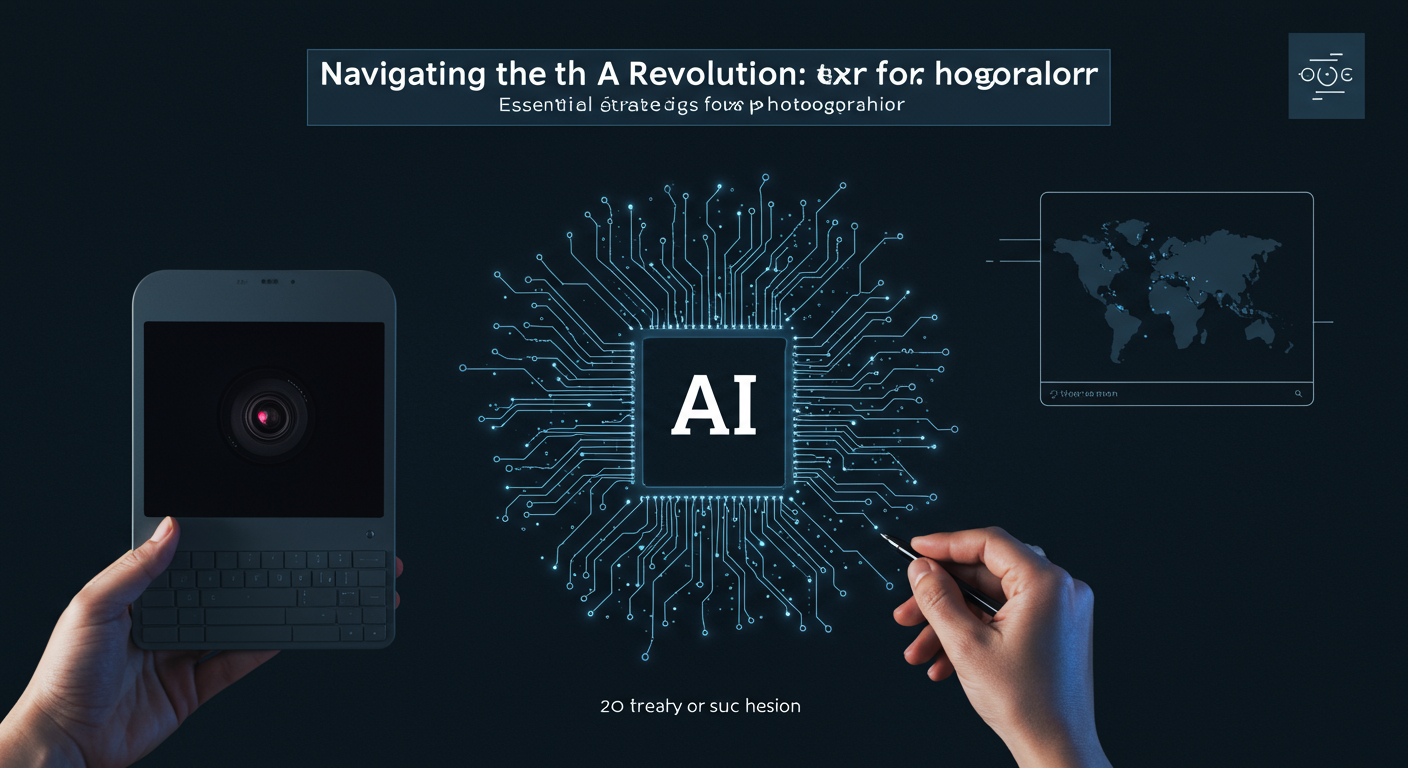
Navigating the AI Revolution: Essential Strategies for Photographers
As AI reshapes the photography industry, photographers must adapt by embracing new technologies, enhancing their unique creative skills, and leveraging tools like PixelDojo to stay competitive.
The AI Disruption in Photography
The advent of artificial intelligence (AI) has significantly transformed the photography landscape. AI-powered tools can now generate high-quality images, automate editing processes, and even create realistic portraits without a camera. This rapid advancement poses challenges for photographers who have traditionally relied on technical skills and manual processes.
Embracing AI as a Collaborative Tool
Rather than viewing AI as a threat, photographers can integrate it into their workflows to enhance efficiency and creativity. For instance, AI-driven editing software can automate time-consuming tasks like culling and basic adjustments, allowing photographers to focus more on the artistic aspects of their work. As noted in Fstoppers, "By leveraging AI software effectively, photographers can maintain complete control over the artistic direction of their work while using AI algorithms as valuable assistants in their editing process." (fstoppers.com)
Leveraging PixelDojo's AI Tools
PixelDojo offers a suite of AI-powered tools that can assist photographers in adapting to the evolving industry:
-
Image to Image Transformation: This tool allows photographers to transform existing images using AI, enabling creative experimentation and enhancement without starting from scratch. (fstoppers.com)
-
Inpainting: With this feature, photographers can edit specific areas of an image seamlessly, removing unwanted elements or making precise adjustments to improve composition. (fstoppers.com)
-
Style Transfer: This tool enables the application of artistic styles to photos, allowing photographers to explore new aesthetics and offer unique products to clients. (fstoppers.com)
By incorporating these tools, photographers can streamline their workflows and offer innovative services that set them apart in a competitive market.
Focusing on Uniquely Human Skills
While AI excels at technical tasks, it lacks the human touch that defines compelling photography. Photographers should emphasize skills that AI cannot replicate, such as:
-
Emotional Intelligence: Capturing genuine emotions and connections in portraits and events.
-
Creative Direction: Conceptualizing and executing unique visual narratives that resonate with audiences.
-
Client Relationships: Building trust and understanding client needs to deliver personalized experiences.
As highlighted in Fstoppers, "The photographers who survive this transition will be those who remember why they picked up a camera in the first place and find ways to honor that vision while building sustainable businesses in a changed landscape." (fstoppers.com)
Adapting to Market Changes
Photographers should also be aware of how AI is reshaping client expectations and market dynamics. For example, AI-generated stock images are becoming more prevalent, affecting demand for traditional stock photography. To stay relevant, photographers can:
-
Offer Bespoke Services: Provide customized shoots that AI cannot replicate, such as capturing personal milestones or creating brand-specific imagery.
-
Educate Clients: Inform clients about the value of human photography, emphasizing aspects like authenticity, creativity, and emotional depth.
-
Diversify Offerings: Explore new niches or services, such as photojournalism, fine art photography, or educational workshops.
Continuous Learning and Adaptation
The photography industry is evolving rapidly, and staying informed about technological advancements is crucial. Photographers should:
-
Engage in Professional Development: Attend workshops, webinars, and courses to learn about new tools and techniques.
-
Experiment with AI Tools: Test and integrate AI tools like those offered by PixelDojo to understand their capabilities and limitations.
-
Network with Peers: Join photography communities to share experiences, strategies, and insights on navigating the AI landscape.
Conclusion
The rise of AI in photography presents both challenges and opportunities. By embracing AI as a collaborative tool, focusing on uniquely human skills, adapting to market changes, and committing to continuous learning, photographers can not only survive but thrive in this new era. Leveraging platforms like PixelDojo can provide the necessary resources and support to navigate these changes effectively.
Note: The information and quotes in this article are sourced from Fstoppers.
Original Source
Read original articlePremium AI Tools
Create Incredible AI Images Today
Join thousands of creators worldwide using PixelDojo to transform their ideas into stunning visuals in seconds.
125
Creative AI Tools
4M+
Creations
60+
AI Video Models