Industry News
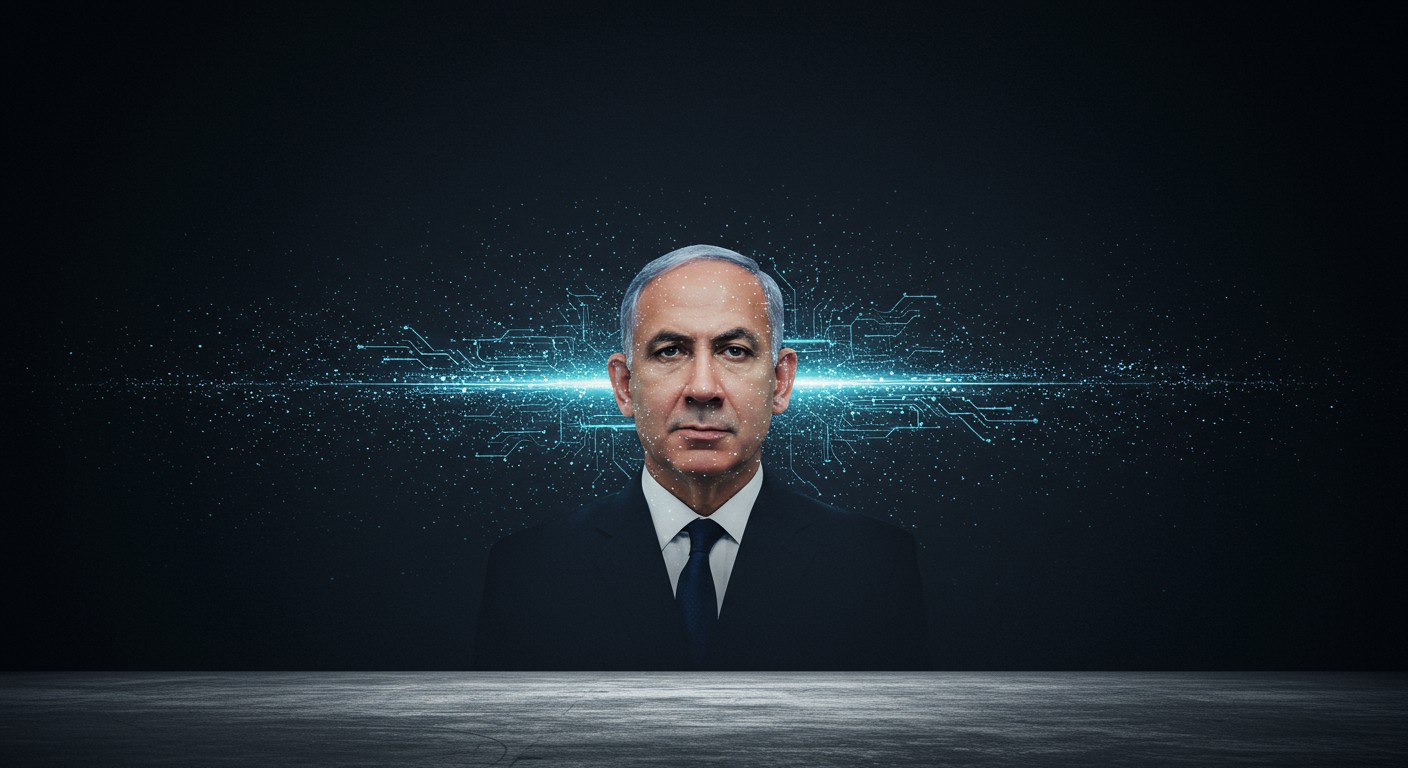
Netanyahu's 'Proof of Life' Video Highlights AI's Role in Misinformation
Israeli Prime Minister Benjamin Netanyahu released a 'proof of life' video to counter false reports of his death, underscoring the growing challenge of AI-generated misinformation in political contexts.
Netanyahu's Response to AI-Generated Misinformation
In early March 2026, Israeli Prime Minister Benjamin Netanyahu addressed widespread rumors of his death by releasing a 'proof of life' video. This move was a direct response to AI-generated images and videos that falsely depicted his demise, highlighting the escalating issue of artificial intelligence being used to spread misinformation.
The Proliferation of AI-Generated Falsehoods
The dissemination of AI-generated content has become a significant concern. In this instance, Iranian state-affiliated media circulated fabricated images and videos suggesting Netanyahu had been killed in an attack. These materials were convincingly realistic, making it challenging for the public to discern their authenticity. (aiornot.com)
The Role of AI Detection Tools
To combat such misinformation, AI detection tools have become essential. Platforms like AI or Not have been instrumental in identifying AI-generated content. For example, the 'rubble image' purportedly showing Netanyahu's death was flagged as artificial by AI or Not, demonstrating the effectiveness of these tools in verifying content authenticity. (aiornot.com)
PixelDojo's Contribution to AI Content Verification
In the realm of AI-generated content, PixelDojo offers several tools that can assist users in both creating and verifying digital media:
-
Image Analyzer: This tool provides AI-generated descriptions of images, helping users understand and assess the content they encounter. (aiornot.com)
-
Reality Polisher: Designed to refine images and remove AI artifacts, Reality Polisher ensures that visuals maintain their authenticity and clarity. (aiornot.com)
By utilizing these tools, individuals can better navigate the digital landscape, distinguishing between genuine and AI-generated content.
The Broader Implications of AI in Misinformation
The incident involving Netanyahu is not isolated. AI-generated misinformation has been used in various contexts, including fabricated videos of public figures and manipulated images in political campaigns. The ability of AI to create highly realistic content poses a significant challenge to information integrity.
Strategies to Mitigate AI-Driven Misinformation
To address the challenges posed by AI-generated misinformation, several strategies can be implemented:
-
Public Awareness: Educating the public about the existence and capabilities of AI-generated content can foster a more discerning audience.
-
Technological Solutions: Developing and deploying advanced AI detection tools can help identify and flag false content before it spreads widely.
-
Policy and Regulation: Governments and organizations can establish guidelines and regulations to hold creators of malicious AI-generated content accountable.
Conclusion
The release of Netanyahu's 'proof of life' video serves as a stark reminder of the potential for AI to be used in spreading misinformation. As AI technology continues to evolve, it is imperative for individuals, organizations, and governments to collaborate in developing tools and strategies to maintain the integrity of information in the digital age.
Original Source
Read original articlePremium AI Tools
Create Incredible AI Images Today
Join thousands of creators worldwide using PixelDojo to transform their ideas into stunning visuals in seconds.
125
Creative AI Tools
4M+
Creations
60+
AI Video Models