Industry News
OpenAI's Music AI: A New Note in the Tentacle Strategy
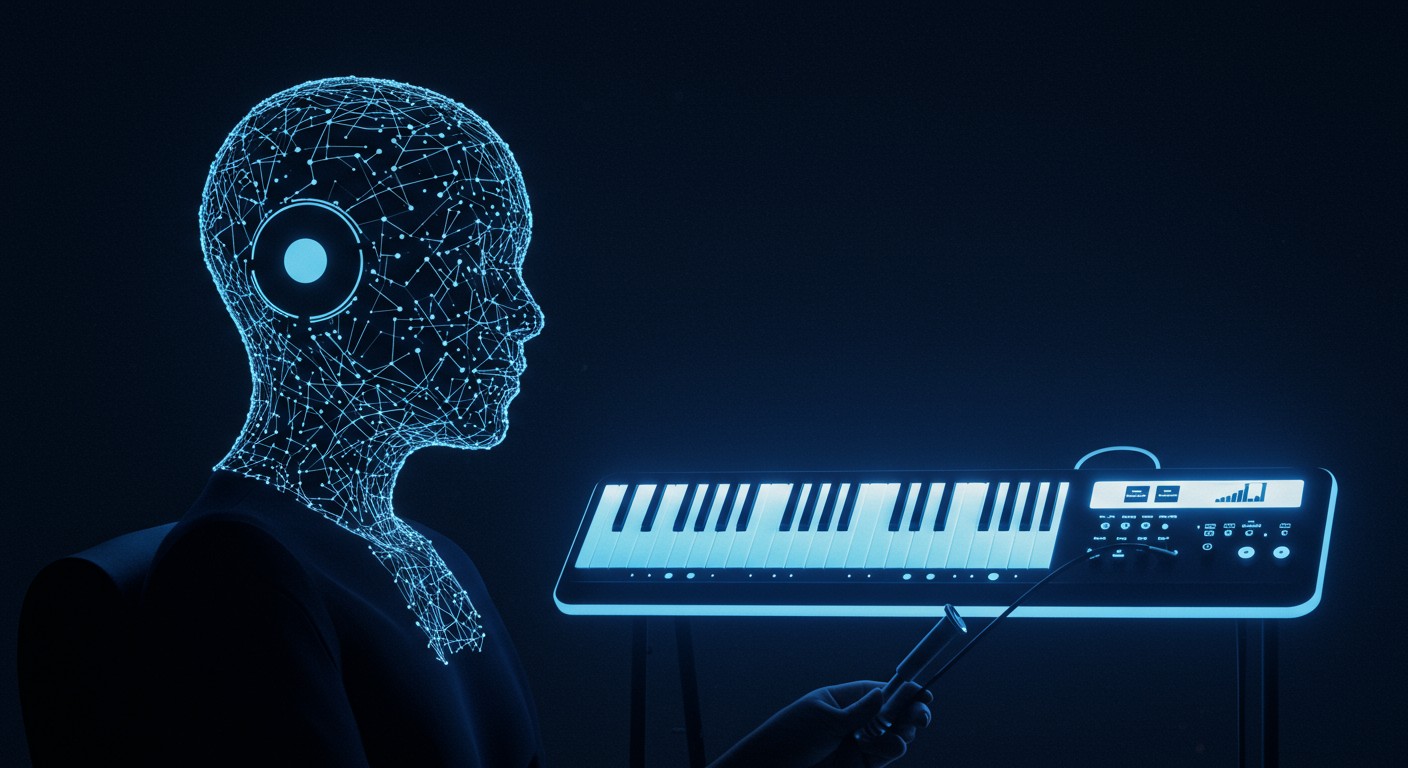
OpenAI's development of an AI capable of generating music marks a significant expansion of its Tentacle Strategy, aiming to integrate AI across multiple creative domains. This move has the potential to revolutionize music production while raising important ethical and legal considerations.
OpenAI's Expansion into AI-Generated Music
OpenAI is reportedly developing an AI model capable of generating music from text and audio prompts, signaling a significant expansion of its Tentacle Strategy. This initiative aims to integrate AI across various creative domains, including text, video, and now music, to create a cohesive and versatile AI ecosystem. (theoutpost.ai)
The Tentacle Strategy: A Multimodal Approach
The Tentacle Strategy represents OpenAI's holistic approach to embedding AI functionalities across multiple sectors and applications. By developing tools that can generate text, images, videos, and music, OpenAI seeks to provide a seamless and interconnected user experience. This strategy not only enhances the versatility of AI applications but also positions OpenAI at the forefront of the burgeoning multimodal AI industry. (opentools.ai)
Implications for the Music Industry
The introduction of AI-generated music has the potential to revolutionize the music industry by:
-
Democratizing Music Creation: Individuals without formal training could compose music, lowering barriers to entry and fostering a more diverse range of musical expression.
-
Streamlining Production Workflows: AI-generated music can provide dynamically generated soundtracks or custom scores that adapt in real-time to changing multimedia content, enhancing efficiency in content production.
However, this advancement also raises significant ethical and legal considerations, particularly concerning copyright issues and the authenticity of AI-generated compositions. (newyorker.com)
Challenges and Considerations
Developing AI music tools presents unique challenges:
-
Harmonic Coherence and Stylistic Accuracy: Ensuring that AI-generated music maintains a natural flow and adheres to stylistic norms is complex.
-
Ethical and Legal Issues: Addressing copyright concerns and ensuring that artist rights are respected is crucial. OpenAI's collaboration with institutions like Juilliard aims to improve musical quality and ensure compliance with copyright laws. (opentools.ai)
PixelDojo's Role in Exploring AI Music Generation
For those interested in exploring AI-generated music, PixelDojo offers tools that align with OpenAI's advancements:
-
Text-to-Music Tool: Allows users to generate music from textual descriptions, enabling experimentation with AI-driven music composition.
-
Audio-to-Music Transformation: Enables users to input audio prompts and receive AI-generated musical compositions, facilitating creative exploration.
-
Music Editing Suite: Provides capabilities to edit and refine AI-generated music, allowing for customization and personalization of compositions.
These tools empower users to engage with AI music generation, offering hands-on experience with the technology and its creative possibilities.
Conclusion
OpenAI's foray into AI-generated music, as part of its Tentacle Strategy, signifies a transformative moment in the intersection of technology and creativity. While it offers exciting opportunities for democratizing music creation and enhancing production workflows, it also necessitates careful consideration of ethical and legal implications. As AI continues to permeate creative industries, tools like those offered by PixelDojo provide valuable platforms for users to explore and harness the potential of AI in music generation.
Original Source
Read original articlePremium AI Tools
Create Incredible AI Images Today
Join thousands of creators worldwide using PixelDojo to transform their ideas into stunning visuals in seconds.
125
Creative AI Tools
4M+
Creations
60+
AI Video Models