Industry News
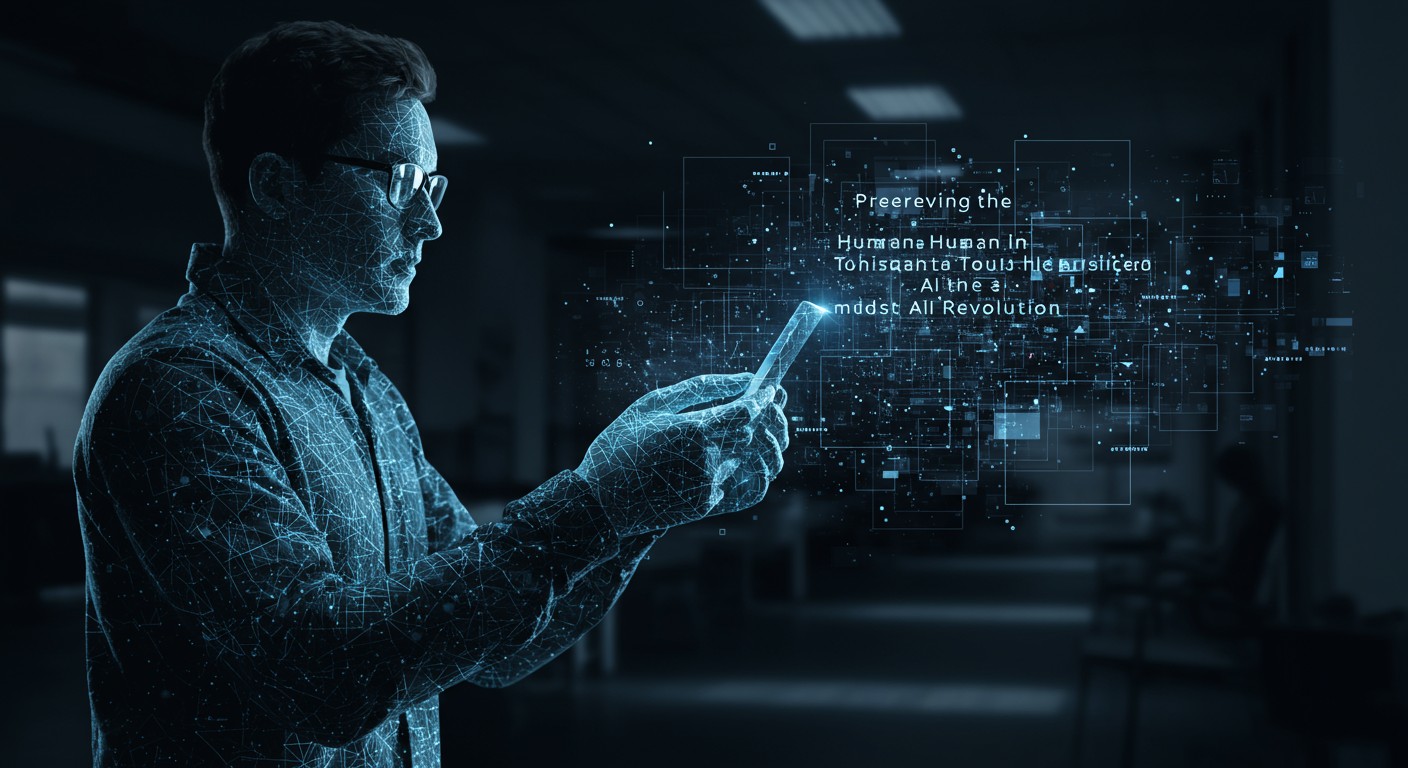
Preserving the Human Touch in Art Amidst the AI Revolution
An exploration of Joe Nalven's insights on maintaining human creativity in art as artificial intelligence becomes increasingly prevalent, with practical applications using PixelDojo's AI tools.
The Intersection of AI and Human Creativity in Art
In the rapidly evolving landscape of artificial intelligence (AI), the art world stands at a crossroads. As AI technologies become more sophisticated, they offer unprecedented tools for creation, challenging traditional notions of artistry and authorship. Joe Nalven, a digital artist and commentator, has been vocal about the need to preserve the human element in art amidst this technological surge.
The AI Art Paradigm Shift
AI's foray into the arts has been transformative. Algorithms can now generate paintings, compose music, and even write poetry, often indistinguishable from human-made works. This raises critical questions: What defines art? Can machines truly be creative? Nalven emphasizes that while AI can mimic styles and produce aesthetically pleasing pieces, the essence of art lies in human experience and emotion.
The Role of AI in Art Education
Nalven advocates for integrating AI into art education, not as a replacement for human creativity but as a tool to enhance it. He suggests that understanding AI's capabilities and limitations can empower artists to push boundaries and explore new mediums. This approach encourages a symbiotic relationship where AI serves as an assistant rather than an artist.
Practical Applications with PixelDojo's AI Tools
To navigate this new terrain, platforms like PixelDojo offer AI-powered tools that blend technology with human creativity:
-
Stable Diffusion Tool: This feature allows artists to generate images from textual descriptions, enabling rapid prototyping and exploration of concepts that might be challenging to visualize manually.
-
Text-to-Video Tool: By converting written narratives into dynamic videos, artists can experiment with storytelling techniques, bringing their ideas to life in motion.
-
Image-to-Image Transformation: This tool facilitates the modification of existing images, allowing artists to apply different styles or make alterations while retaining the original's essence.
By leveraging these tools, artists can explore the capabilities of AI in art creation, understanding how to incorporate technology into their creative processes without compromising their unique human touch.
Ethical Considerations and the Future of Art
As AI becomes more integrated into the art world, ethical considerations emerge. Issues of authorship, originality, and the potential for AI to perpetuate biases present challenges that the art community must address. Nalven urges artists and technologists to engage in ongoing dialogue to ensure that AI serves to augment human creativity rather than diminish it.
Conclusion
The advent of AI in art is not a threat but an opportunity. By embracing AI as a collaborative tool, artists can expand their creative horizons while preserving the human elements that make art profound. Platforms like PixelDojo provide the resources for this exploration, ensuring that as technology advances, the heart of art remains unmistakably human.
Original Source
Read original articlePremium AI Tools
Create Incredible AI Images Today
Join thousands of creators worldwide using PixelDojo to transform their ideas into stunning visuals in seconds.
125
Creative AI Tools
4M+
Creations
60+
AI Video Models