Industry News
Silicon Valley Hosts Inaugural AI Film Festival, Showcasing the Future of AI-Driven Cinema
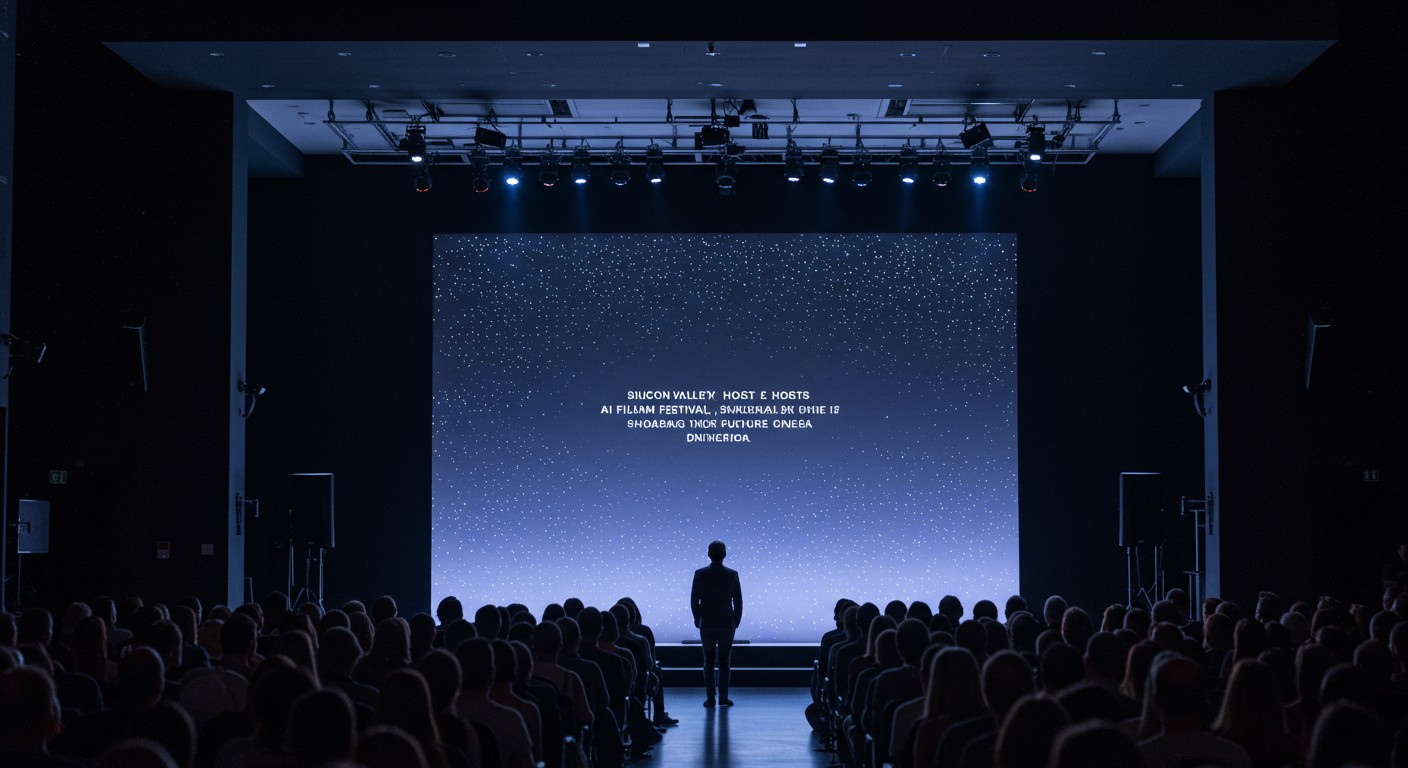
The first-ever Silicon Valley AI Film Festival (SVAIFF) was held on January 10-11, 2026, in San Jose, California, highlighting the transformative role of artificial intelligence in filmmaking. The event featured AI-generated films, panel discussions on AI's impact on the industry, and live demonstrations of cutting-edge AI tools.
Silicon Valley Hosts Inaugural AI Film Festival, Showcasing the Future of AI-Driven Cinema
The first-ever Silicon Valley AI Film Festival (SVAIFF) took place on January 10-11, 2026, at the San Jose City Hall Rotunda in San Jose, California. This groundbreaking event celebrated the fusion of artificial intelligence and filmmaking, offering a platform for creators, technologists, and investors to explore the burgeoning field of AI-generated cinema.
A New Era in Filmmaking
SVAIFF marked a significant milestone in the evolution of the film industry, emphasizing the transformative role of AI in content creation. The festival's mission was to demonstrate how AI technologies can democratize filmmaking, enabling creators to bring their visions to life with unprecedented ease and efficiency. As the festival's organizers stated, "With AI, you are the film master. Dream something wild at night, and by morning, you could build it and win." (svaiff.com)
Highlights of the Festival
The two-day event featured a diverse array of activities, including:
-
Global AI Film Awards: Celebrating the most innovative and creative AI-generated works from around the world.
-
Industry Forums: Panels and talks on AI directing, ethics, and cross-industry collaboration, providing insights into the challenges and opportunities presented by AI in filmmaking.
-
Creative Bootcamp: A 48-hour AI Film Hackathon in partnership with top film academies, where participants created short films using AI tools.
-
Multicultural Showcase: A global stage for diverse voices in AI cinema, highlighting the inclusivity and accessibility of AI-driven storytelling.
Notable Screenings and Panels
One of the festival's highlights was the global premiere of the feature-length AI film "Wolfpack," directed by Bing He. This film exemplified the potential of AI in crafting compelling narratives and complex visual effects.
Panel discussions addressed critical topics such as:
-
Public Policy Encouraging AI Creators for Civic Education: Exploring how governments can support AI-driven creative endeavors.
-
Collaboration and Conflict Between Traditional Films and AI Films: Delving into the dynamics between conventional filmmaking and AI-generated content.
-
Copyright and Ethical Issues of IP Generated by AI Films: Examining the legal and moral considerations surrounding AI-created intellectual property.
The Role of AI Tools in Filmmaking
The festival underscored the importance of advanced AI tools in revolutionizing the filmmaking process. Platforms like PixelDojo offer a suite of AI-powered tools that empower creators to produce high-quality content efficiently. For instance:
-
VEO 3.1: Google's premier AI video generation model, integrated into PixelDojo, allows users to create videos from text prompts, complete with reference images and audio. This tool enables filmmakers to visualize scenes and sequences rapidly, streamlining the pre-production process.
-
Sora 2: OpenAI's cinematic video model, available on PixelDojo, provides users with the capability to generate high-quality video content with strong adherence to prompts. This tool is particularly useful for creating detailed storyboards and animatics.
-
Runway Gen-4: Known for maintaining character and object consistency, this tool ensures that AI-generated videos have a coherent visual style, which is crucial for narrative continuity in films.
By leveraging these tools, filmmakers can experiment with AI-driven content creation, reducing production costs and time while expanding creative possibilities.
The Future of AI in Cinema
The success of SVAIFF reflects a growing interest in the integration of AI within the creative industries. As AI technologies continue to advance, they offer filmmakers new avenues for storytelling, visual effects, and audience engagement. However, this evolution also raises important questions about authorship, ethics, and the future role of human creativity in the arts.
Events like SVAIFF provide a vital forum for these discussions, bringing together diverse stakeholders to navigate the complexities of AI in filmmaking. As the festival organizers aptly put it, "SVAIFF is more than a showcase; it's an international platform where creators, tech platforms, and investors meet to shape the future of filmmaking." (svaiff.com)
Conclusion
The inaugural Silicon Valley AI Film Festival has set a precedent for the exploration of AI's role in cinema. By highlighting innovative works, facilitating critical discussions, and showcasing cutting-edge tools, SVAIFF has positioned itself at the forefront of a new era in filmmaking—one where artificial intelligence and human creativity converge to redefine storytelling.
For filmmakers and enthusiasts eager to delve into AI-driven content creation, platforms like PixelDojo offer accessible and powerful tools to experiment with this emerging technology. As AI continues to evolve, its integration into the creative process promises to unlock new potentials and challenges, shaping the future of cinema in unprecedented ways.
Original Source
Read original articlePremium AI Tools
Create Incredible AI Images Today
Join thousands of creators worldwide using PixelDojo to transform their ideas into stunning visuals in seconds.
125
Creative AI Tools
4M+
Creations
60+
AI Video Models