Industry News
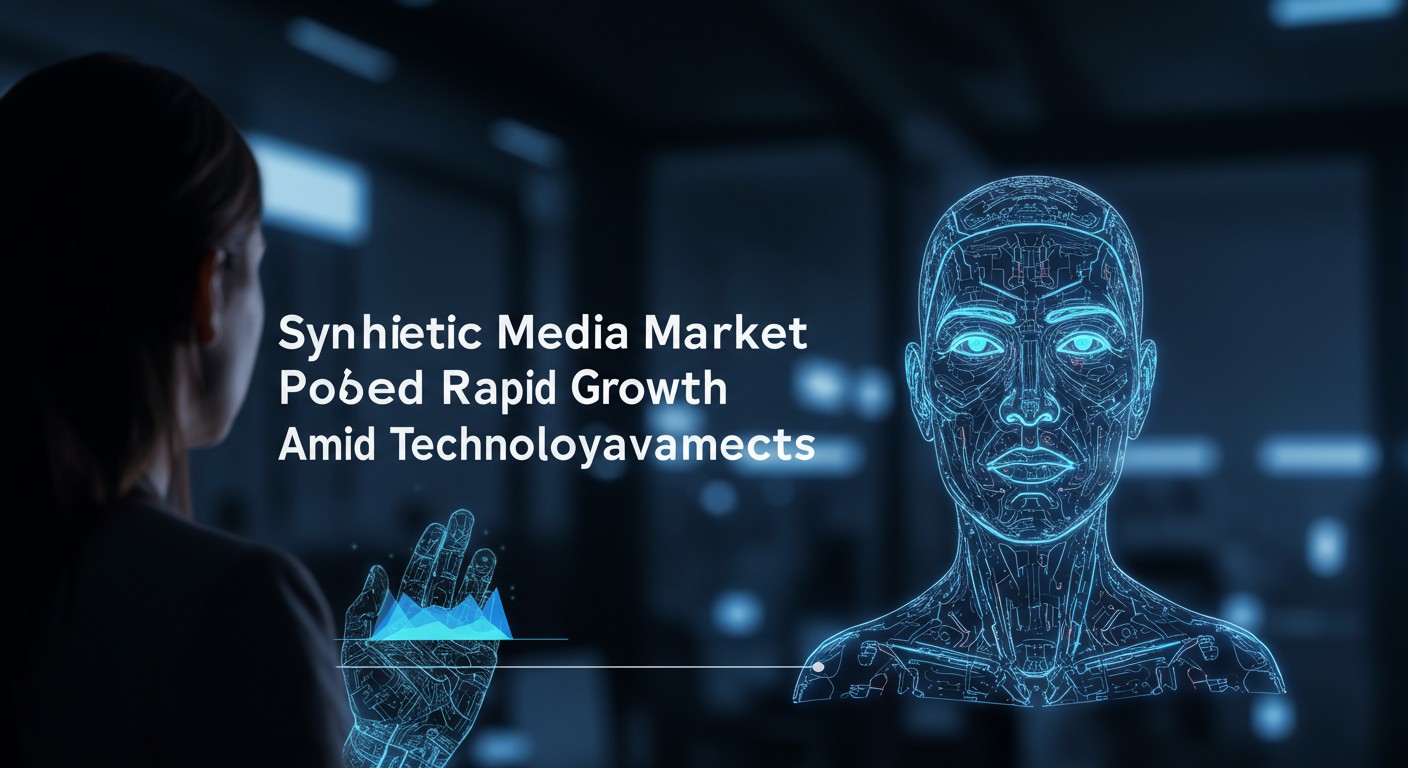
Synthetic Media Market Poised for Rapid Growth Amid Technological Advancements
The synthetic media market is experiencing significant growth, driven by advancements in AI and decentralized computing. Tools like PixelDojo's VEO 3.1 and Grok Video are enabling users to create high-quality synthetic content, transforming industries such as entertainment and marketing.
Introduction
The synthetic media market is undergoing a transformative phase, propelled by rapid advancements in artificial intelligence (AI) and decentralized computing. These technologies are revolutionizing content creation, enabling the production of highly realistic images, videos, and audio that are indistinguishable from real-world media. This article explores the current landscape of the synthetic media market, its projected growth, key drivers, and the role of innovative tools like those offered by PixelDojo in shaping this dynamic industry.
Market Growth and Projections
The synthetic media market is on a trajectory of substantial expansion. According to industry analyses, the market is projected to reach a valuation of $22.48 billion by 2030, growing at a compound annual growth rate (CAGR) of 25.9%. This growth is fueled by several factors:
- Advancements in AI: The continuous development of AI models has significantly enhanced the quality and realism of synthetic media.
- Decentralized Computing: The rise of decentralized compute resources has made high-performance computing more accessible, facilitating complex media generation tasks.
- Demand for Personalized Content: Industries such as entertainment, marketing, and education are increasingly seeking personalized and engaging content, driving the adoption of synthetic media solutions.
Key Drivers of the Synthetic Media Market
Several factors are contributing to the rapid growth of the synthetic media market:
- AI Model Evaluation Platforms: The need for reliable and responsible AI systems has led to the development of platforms that assess and validate AI models, ensuring the quality of generated media.
- Decentralized Compute Resources: The distribution of AI workloads across decentralized networks has reduced costs and increased efficiency in media generation.
- Edge Computing: The proliferation of edge devices has enabled real-time processing and generation of synthetic media, enhancing user experiences.
PixelDojo's Role in Advancing Synthetic Media
PixelDojo offers a suite of tools that empower users to create high-quality synthetic media. Notable among these are:
-
VEO 3.1: This tool leverages Google's advanced AI models to generate videos from text prompts, incorporating reference images and audio to produce realistic and engaging content. Users can explore VEO 3.1 here: VEO 3.1
-
Grok Video: Designed for rapid video generation, Grok Video allows users to create short clips with flexible aspect ratios, making it ideal for social media content and marketing campaigns. Learn more about Grok Video here: Grok Video
-
Flux.2 Studio: This tool provides professional and developer models with multi-reference capabilities, enabling the creation of complex and nuanced synthetic images. Discover Flux.2 Studio here: Flux.2 Studio
Applications and Use Cases
The applications of synthetic media are vast and varied, including:
- Entertainment: Film and gaming industries use synthetic media to create realistic characters and environments, reducing production costs and time.
- Marketing: Brands leverage synthetic media to produce personalized advertisements and promotional materials that resonate with target audiences.
- Education: Educational institutions utilize synthetic media to develop interactive and immersive learning materials.
Ethical Considerations and Challenges
While the growth of synthetic media presents numerous opportunities, it also raises ethical concerns:
- Misinformation: The potential for creating deepfakes and misleading content necessitates the development of detection and verification tools.
- Intellectual Property: The use of AI-generated content raises questions about ownership and copyright.
- Bias and Fairness: Ensuring that AI models do not perpetuate biases is crucial for the responsible development of synthetic media.
Conclusion
The synthetic media market is poised for significant growth, driven by technological advancements and increasing demand across various industries. Tools like PixelDojo's VEO 3.1, Grok Video, and Flux.2 Studio are at the forefront of this transformation, enabling users to create high-quality synthetic content efficiently. As the market evolves, addressing ethical considerations and implementing responsible practices will be essential to harness the full potential of synthetic media.
References
- Market Driver Insights: The Impact of Recent Advances on the Decentralized Compute Market
- Market Driver Insights: The Impact of Recent Advances on the Artificial Intelligence (AI) Model Evaluation Platform Market
Tags
- Synthetic Media
- Artificial Intelligence
- Decentralized Computing
- PixelDojo
- Content Creation
Original Source
Read original articlePremium AI Tools
Create Incredible AI Images Today
Join thousands of creators worldwide using PixelDojo to transform their ideas into stunning visuals in seconds.
125
Creative AI Tools
4M+
Creations
60+
AI Video Models