Industry News
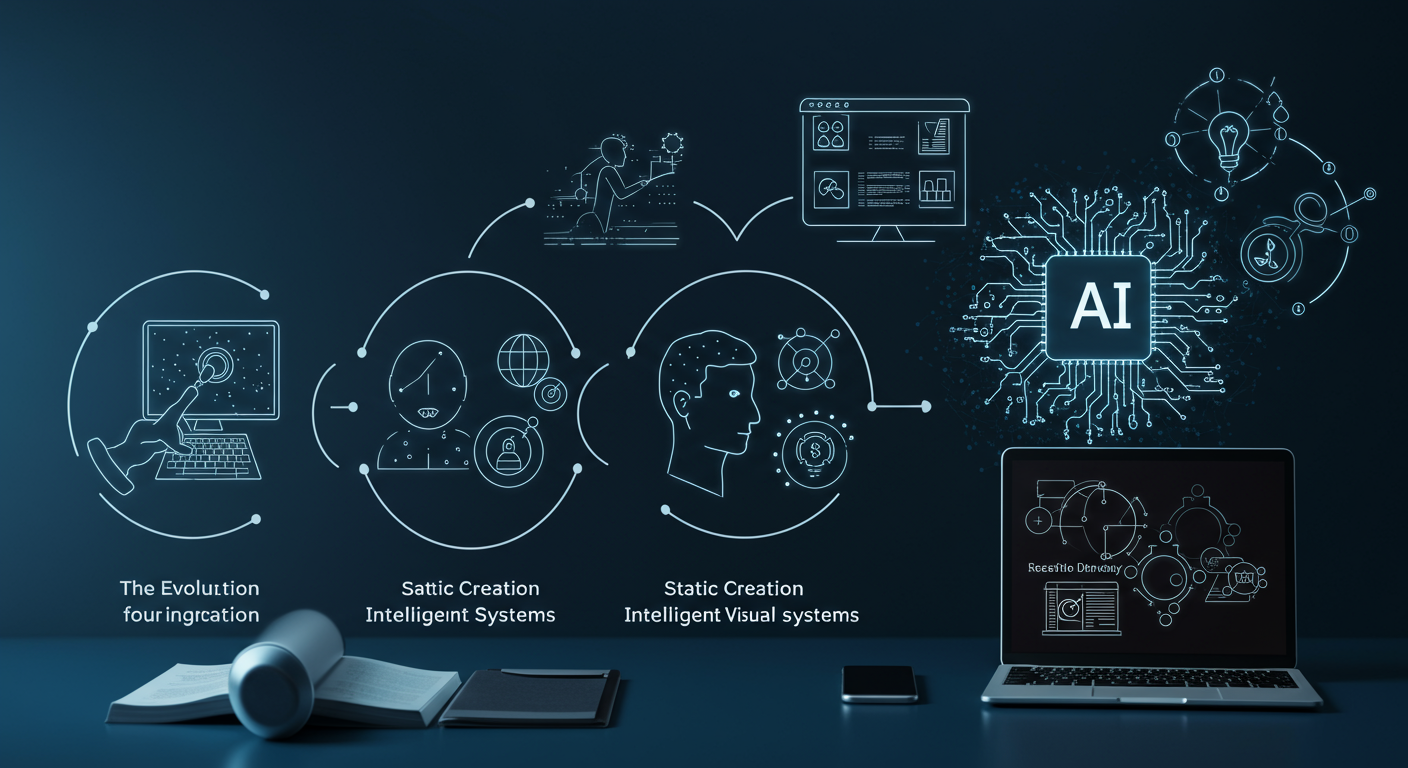
The Evolution of AI Video Generation: From Static Creation to Intelligent Visual Systems
An in-depth exploration of the progression of AI video generation, highlighting key milestones, current advancements, and the role of tools like PixelDojo in democratizing access to this transformative technology.
Introduction
The realm of artificial intelligence (AI) has witnessed remarkable strides in video generation, transitioning from rudimentary static images to dynamic, intelligent visual systems. This evolution has not only revolutionized content creation but also democratized access to high-quality video production through platforms like PixelDojo.
Early Days: Static Image Generation
Initially, AI's foray into visual content was limited to generating static images. Early models could produce images based on textual descriptions, but these were often simplistic and lacked the nuance of human-created visuals. The advent of tools like PixelDojo's GPT-Image 1.5 marked a significant improvement, offering high-fidelity images with strong prompt adherence, setting the stage for more complex visual outputs.
Transition to Dynamic Content
As AI models became more sophisticated, the focus shifted from static images to dynamic content. The development of recurrent neural networks (RNNs) and convolutional neural networks (CNNs) enabled the generation of short video clips. However, these early videos were often plagued by issues like temporal inconsistencies and unnatural motion.
The Rise of Generative Adversarial Networks (GANs)
The introduction of Generative Adversarial Networks (GANs) was a game-changer. GANs consist of two neural networks—the generator and the discriminator—that work in tandem to produce more realistic outputs. This architecture significantly improved the quality of AI-generated videos, allowing for more coherent and lifelike sequences.
Integration of Transformer Models
The incorporation of transformer models, known for their prowess in natural language processing, into video generation has further enhanced the field. These models excel at capturing long-range dependencies, enabling the creation of videos with complex narratives and consistent themes.
Current State: Intelligent Visual Systems
Today, AI video generation has evolved into intelligent visual systems capable of understanding context, adapting to user inputs, and producing high-quality videos that rival professional productions. Platforms like PixelDojo have been instrumental in this transformation, offering a suite of tools that cater to various aspects of video generation and editing.
PixelDojo's Contribution
-
LTX-2 Video: This tool allows users to generate videos from text or images, leveraging advanced AI models to produce content that aligns closely with user prompts.
-
Pixverse: With Pixverse, users can create videos from prompts or images, utilizing AI to bring their ideas to life seamlessly.
-
Kling v2.6 Pro: This top-tier video generation tool offers native audio integration, ensuring that the produced videos are not only visually appealing but also audibly coherent.
Applications and Use Cases
The advancements in AI video generation have opened up a plethora of applications across various industries:
-
Entertainment: AI-generated videos are being used to create short films, music videos, and even feature-length movies, reducing production costs and time.
-
Marketing: Businesses can produce promotional videos tailored to specific audiences without the need for extensive resources.
-
Education: Educational institutions are leveraging AI to create engaging instructional videos, enhancing the learning experience.
-
Social Media: Content creators can generate unique videos to captivate their audience, maintaining a consistent posting schedule with minimal effort.
Challenges and Ethical Considerations
Despite the impressive advancements, AI video generation is not without challenges. Issues such as deepfakes, copyright infringement, and the potential for misuse necessitate the development of ethical guidelines and robust detection mechanisms. Platforms like PixelDojo are committed to responsible AI usage, implementing measures to prevent misuse and promote ethical content creation.
Future Prospects
The future of AI video generation is promising, with ongoing research focusing on enhancing realism, improving user control, and expanding the range of applications. As AI models become more sophisticated, we can anticipate a surge in personalized content, real-time video generation, and even AI-driven interactive experiences.
Conclusion
The evolution of AI video generation from static images to intelligent visual systems underscores the rapid advancements in artificial intelligence. Tools like PixelDojo have played a pivotal role in making this technology accessible to a broader audience, empowering users to create high-quality videos with ease. As we look ahead, the continued development of AI promises to further revolutionize the way we create and consume visual content.
Original Source
Read original articlePremium AI Tools
Create Incredible AI Images Today
Join thousands of creators worldwide using PixelDojo to transform their ideas into stunning visuals in seconds.
125
Creative AI Tools
4M+
Creations
60+
AI Video Models