Industry News
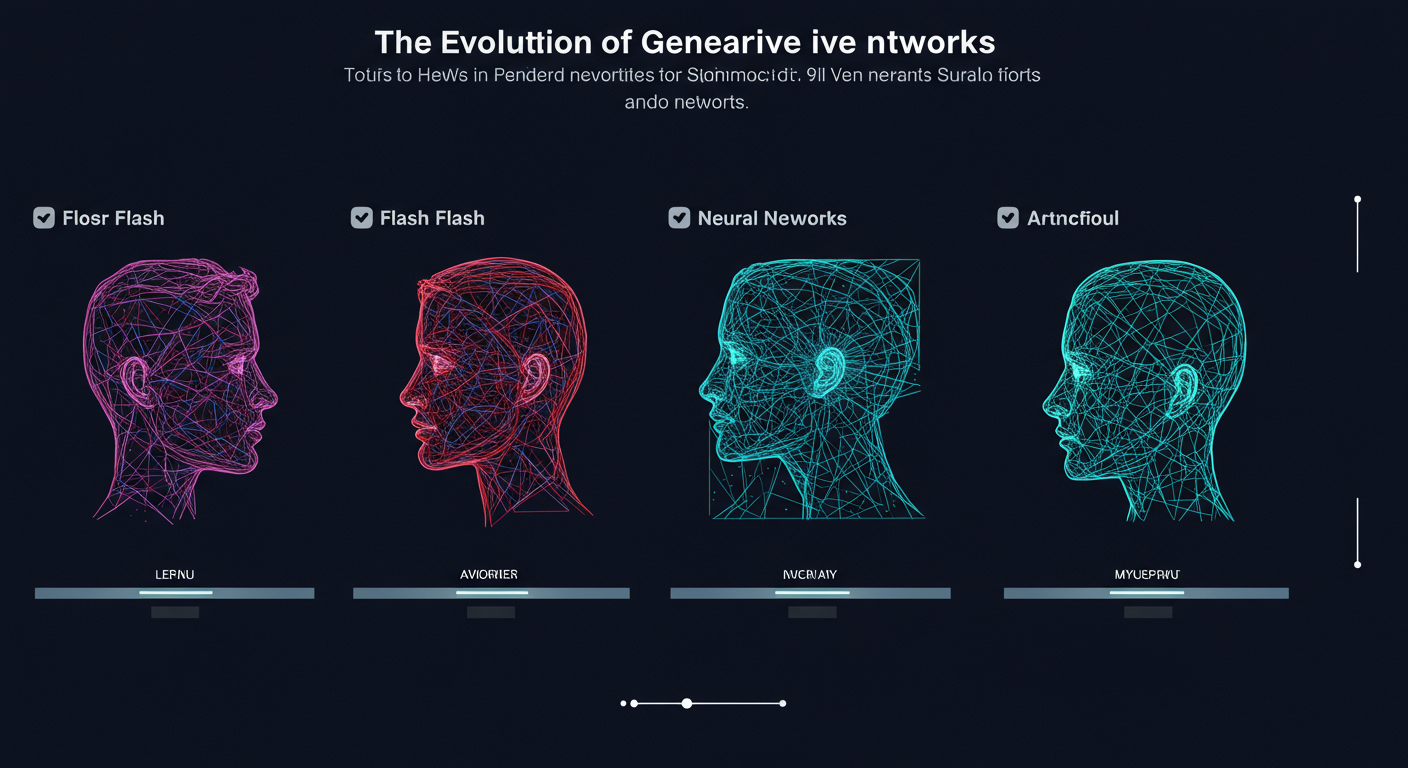
The Evolution of Generative Art: From Flash to Neural Networks
This article explores the progression of generative art from early algorithmic methods to modern AI-driven techniques, highlighting key developments and tools that have shaped the field.
The Evolution of Generative Art: From Flash to Neural Networks
Generative art, defined as art created through autonomous systems, has undergone a remarkable transformation over the past few decades. From early algorithmic designs to the sophisticated neural networks of today, the tools and techniques have evolved, offering artists unprecedented creative possibilities.
Early Days: Algorithmic Art and Flash
In the mid-20th century, artists began experimenting with algorithmic art, using mathematical formulas and rules to generate visual patterns. This approach laid the groundwork for future developments in generative art. The advent of Flash in the late 1990s provided artists with a versatile platform to create interactive and dynamic artworks. Flash's scripting capabilities allowed for the creation of complex animations and interactive pieces, making it a popular tool among digital artists.
The Rise of Neural Networks
The 2010s marked a significant shift with the introduction of deep learning and neural networks. These technologies enabled machines to learn from vast datasets and generate images that mimicked human-created art. Notable milestones include:
-
Generative Adversarial Networks (GANs): Introduced in 2014, GANs consist of two neural networks—the generator and the discriminator—that work together to produce realistic images. This innovation opened new avenues for AI-generated art.
-
DeepDream: Developed by Google in 2015, DeepDream used convolutional neural networks to enhance and modify images, creating dream-like, surreal visuals.
-
Style Transfer: Techniques that allowed the application of one image's style to another, enabling artists to blend different artistic styles seamlessly.
Text-to-Image Models and Diffusion Techniques
The 2020s saw the emergence of text-to-image models, allowing users to generate images based on textual descriptions. This period also introduced diffusion models, which improved the quality and diversity of generated images. Key developments include:
-
DALL-E: OpenAI's model that generates images from textual prompts, showcasing the potential of AI in creative processes.
-
Stable Diffusion: An open-source model that democratized access to high-quality image generation, enabling a broader range of artists to experiment with AI-generated art.
PixelDojo: Bridging Technology and Creativity
As AI art tools became more accessible, platforms like PixelDojo emerged to provide artists with user-friendly interfaces to explore these technologies. PixelDojo offers a suite of tools tailored for generative art creation:
-
Stable Diffusion Tool: Allows users to generate images from textual descriptions, enabling artists to bring their ideas to life with ease.
-
Text-to-Video Tool: Empowers creators to produce dynamic videos from text prompts, expanding the possibilities of storytelling through AI.
-
Image-to-Image Transformation: Facilitates the modification of existing images, allowing artists to experiment with different styles and effects seamlessly.
These tools have made it possible for artists, regardless of their technical background, to engage with AI-driven art creation, fostering a new era of creativity.
The Future of Generative Art
The integration of AI in art continues to evolve, with ongoing research focusing on enhancing the realism, diversity, and controllability of generated artworks. As these technologies advance, platforms like PixelDojo will play a crucial role in making cutting-edge tools accessible to a wider audience, ensuring that the fusion of art and technology continues to inspire and innovate.
In conclusion, the journey from Flash-based animations to neural network-driven art illustrates the dynamic nature of generative art. With platforms like PixelDojo providing accessible tools, artists are well-equipped to explore the vast potential of AI in their creative endeavors.
Premium AI Tools
Create Incredible AI Images Today
Join thousands of creators worldwide using PixelDojo to transform their ideas into stunning visuals in seconds.
125
Creative AI Tools
4M+
Creations
60+
AI Video Models