Industry News
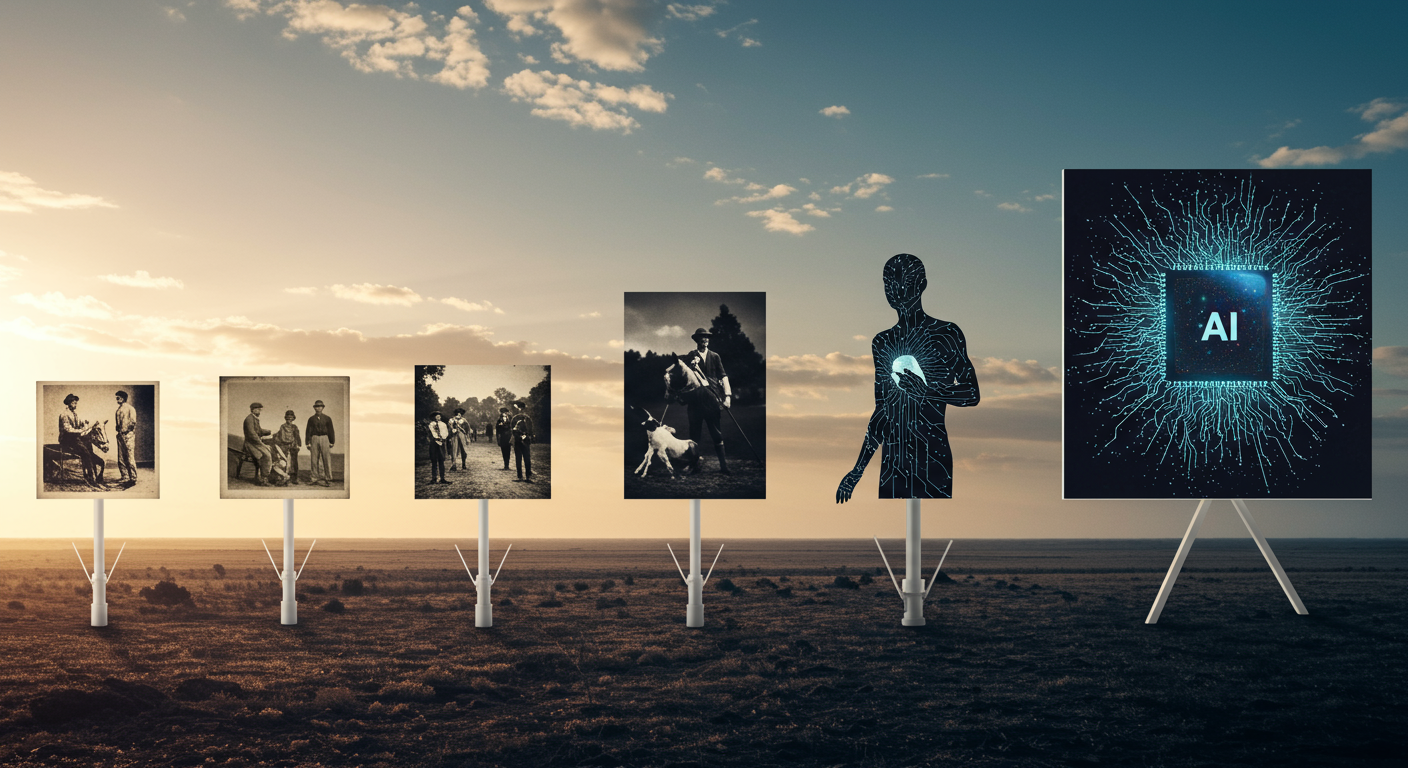
The Evolution of Image Manipulation: From Early Photography to AI-Generated Art
Exploring the history of image manipulation from the early days of photography to the advent of AI-generated art, highlighting how tools like PixelDojo's AI image generators enable users to create and edit images with unprecedented ease.
The Evolution of Image Manipulation: From Early Photography to AI-Generated Art
Introduction
Image manipulation has been an integral part of visual media since the inception of photography. Long before the digital era introduced tools like Photoshop or artificial intelligence (AI), photographers employed various techniques to alter images for artistic expression, political commentary, or entertainment. Understanding this historical context enriches our appreciation of modern AI-driven image generation and editing tools.
Early Techniques in Image Manipulation
In the 19th and early 20th centuries, photographers developed innovative methods to manipulate images:
-
Multiple Exposures: By exposing the same photographic plate multiple times, photographers could superimpose different scenes or subjects, creating surreal or ghostly effects.
-
Combination Printing: This involved merging elements from multiple negatives into a single print, allowing for the creation of composite images that depicted scenes impossible to capture in a single shot.
-
Retouching and Hand Coloring: Artists would manually alter negatives or prints by painting over them, adding color, or removing unwanted elements to achieve the desired aesthetic.
An exhibition at Amsterdam's Rijksmuseum, titled “Fake!”, showcases over 50 such manipulated photographs from 1860 to 1940, illustrating the ingenuity of early photographers in creating altered realities. (smithsonianmag.com)
The Digital Revolution and Photoshop
The advent of digital photography and software like Adobe Photoshop in the late 20th century revolutionized image manipulation. Photographers and graphic designers could now edit images with unprecedented precision and flexibility, leading to a surge in creative possibilities and the democratization of photo editing.
The Rise of AI in Image Generation and Editing
Today, AI has taken image manipulation to new heights. AI models can generate entirely new images from textual descriptions, enhance photo quality, and perform complex edits with minimal user input. This evolution has made sophisticated image creation and editing accessible to a broader audience.
PixelDojo's AI Tools
Platforms like PixelDojo have harnessed AI to offer a suite of tools that empower users to explore and create with ease:
-
Google Nano Banana: This tool enables multi-image fusion and editing, allowing users to blend multiple images seamlessly using Google's advanced algorithms. (smithsonianmag.com)
-
GPT-Image: Leveraging OpenAI's latest technology, GPT-Image excels in generating images that closely adhere to user prompts, making it ideal for creating specific visual content. (smithsonianmag.com)
-
xAI Image: Known for its rapid editing capabilities, xAI Image allows users to make quick adjustments and generate images efficiently, catering to both professionals and hobbyists. (smithsonianmag.com)
Applications and Implications
The applications of AI-driven image manipulation are vast:
-
Artistic Creation: Artists can experiment with styles and concepts without the need for traditional materials or extensive training.
-
Marketing and Advertising: Businesses can produce high-quality visuals tailored to specific campaigns quickly and cost-effectively.
-
Education and Research: Educators and researchers can generate illustrative content to aid in teaching and presentations.
However, the ease of creating realistic manipulated images also raises ethical considerations. The potential for misinformation through deepfakes and altered images necessitates a critical approach to consuming visual media.
Conclusion
From the early days of photography to the current era of AI-generated art, image manipulation has continually evolved, reflecting technological advancements and changing societal needs. Tools like those offered by PixelDojo exemplify how AI can democratize creative processes, enabling users to explore and express their ideas with unprecedented ease. As we embrace these innovations, it is crucial to remain mindful of their ethical implications and strive for responsible use in all applications.
Note: The information about the Rijksmuseum's “Fake!” exhibition and the capabilities of PixelDojo's tools are based on available sources as of March 2026.
Original Source
Read original articlePremium AI Tools
Create Incredible AI Images Today
Join thousands of creators worldwide using PixelDojo to transform their ideas into stunning visuals in seconds.
125
Creative AI Tools
4M+
Creations
60+
AI Video Models