Industry News
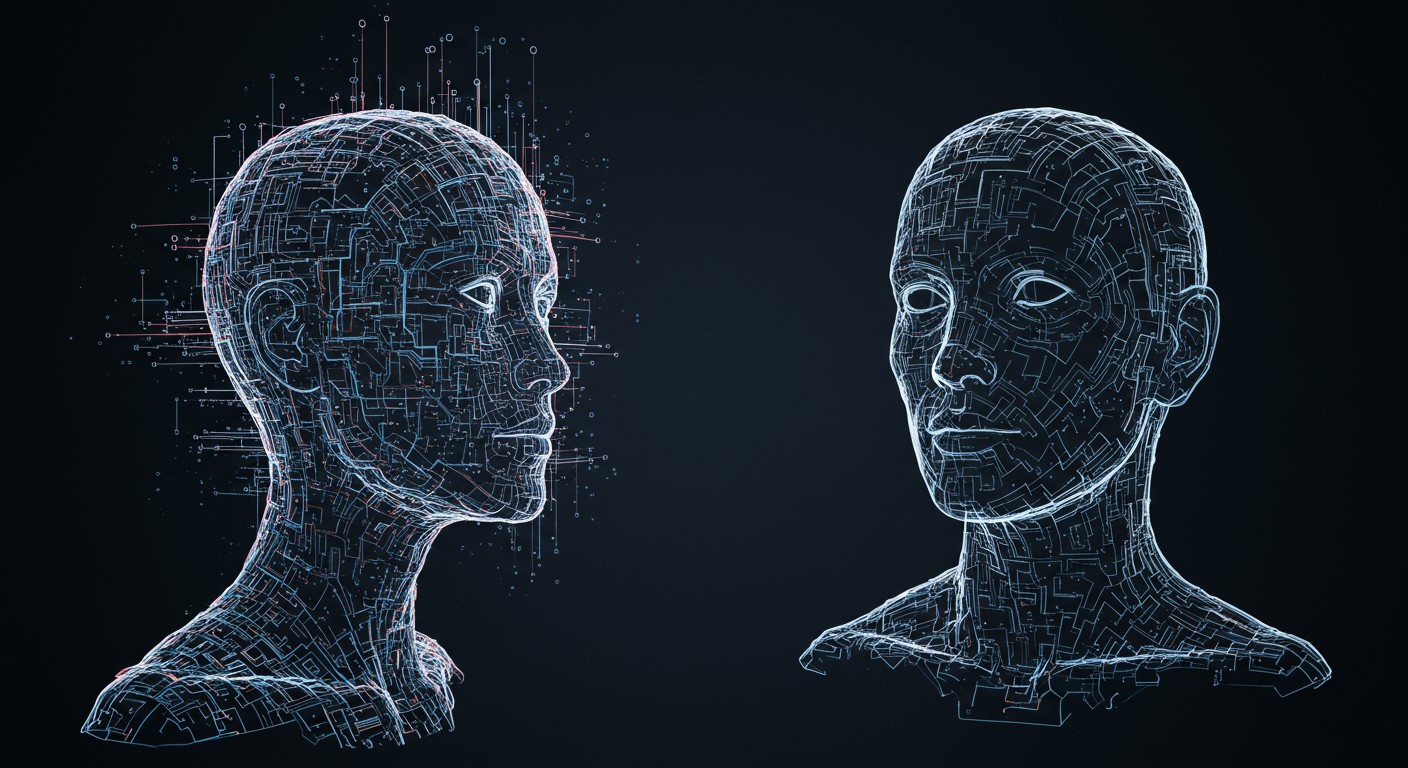
The Future of Digital Art as Training Material for Generative AI Models
Exploring the evolving role of digital art in training generative AI models, this article delves into the technological processes, legal implications, and the transformative impact on the art world.
Introduction
The advent of generative artificial intelligence (AI) has revolutionized the creation and consumption of digital art. By training on vast datasets of existing artworks, AI models can generate new, unique pieces, blurring the lines between human and machine creativity. This article examines the role of digital art as training material for these models, the underlying technologies, legal considerations, and the implications for artists and the art industry.
Understanding Generative AI Art Models
Generative AI art models, such as OpenAI's DALL-E and Midjourney, operate by analyzing extensive collections of digital images. These models learn patterns, styles, and features from the data, enabling them to produce novel images based on textual prompts. The training process involves:
- Data Collection: Amassing millions of digital images, often sourced from the internet.
- Model Training: Utilizing neural networks to process and learn from the images, adjusting internal parameters to capture relationships between textual descriptions and visual elements.
- Image Generation: Producing new images by interpreting user prompts through the learned associations.
This process allows for the creation of diverse and intricate artworks, showcasing the potential of AI in artistic expression.
Legal and Ethical Considerations
The use of existing digital art to train AI models raises significant legal and ethical questions:
-
Copyright Issues: Incorporating copyrighted artworks without permission can lead to infringement claims. Courts have begun addressing these concerns, with varying interpretations of fair use. For instance, in Kadrey v. Meta Platforms, Inc. and Bartz v. Anthropic PBC, the Northern District of California examined whether using copyrighted materials for AI training constitutes fair use, highlighting the complexity of this issue. (blogs.duanemorris.com)
-
Right of Publicity: Artists may object to their works being used without consent, impacting their control over personal and professional representations.
-
Data Privacy: The collection of images, especially those containing personal information, necessitates careful consideration of privacy laws and ethical standards.
Impact on the Art World
The integration of AI in art creation has profound implications:
-
Democratization of Art: AI tools enable individuals without formal training to create compelling artworks, broadening participation in the art community.
-
New Artistic Collaborations: Artists can collaborate with AI to explore new styles and concepts, pushing creative boundaries.
-
Market Dynamics: The proliferation of AI-generated art challenges traditional notions of authorship and value, prompting the art market to adapt.
Exploring AI Art Generation with PixelDojo
For those interested in experiencing AI-driven art creation, PixelDojo offers a suite of tools that harness the power of generative models:
-
GPT-Image: Leveraging OpenAI's latest technology, this tool excels in adhering to user prompts, allowing for precise image generation. Users can input detailed descriptions to produce images that closely match their vision. Explore GPT-Image
-
Flux.2 Studio: This platform provides access to professional and developer models with multi-reference capabilities, enabling the creation of complex and nuanced artworks. Artists can experiment with various styles and references to achieve desired outcomes. Discover Flux.2 Studio
-
QWEN Image 2: Offering multi-image fusion, text rendering, and style transfer, this tool allows users to blend multiple images seamlessly and apply different artistic styles, facilitating innovative artistic expressions. Try QWEN Image 2
These tools exemplify how AI can be harnessed to create and edit digital art, providing users with intuitive platforms to explore their creativity.
Conclusion
The utilization of digital art as training material for generative AI models represents a significant shift in the creative landscape. While offering unprecedented opportunities for innovation and accessibility, it also necessitates careful navigation of legal and ethical considerations. As technology continues to evolve, ongoing dialogue among artists, technologists, and legal experts will be essential to ensure that the integration of AI in art respects the rights and contributions of all stakeholders.
References
Original Source
Read original articlePremium AI Tools
Create Incredible AI Images Today
Join thousands of creators worldwide using PixelDojo to transform their ideas into stunning visuals in seconds.
125
Creative AI Tools
4M+
Creations
60+
AI Video Models