Industry News
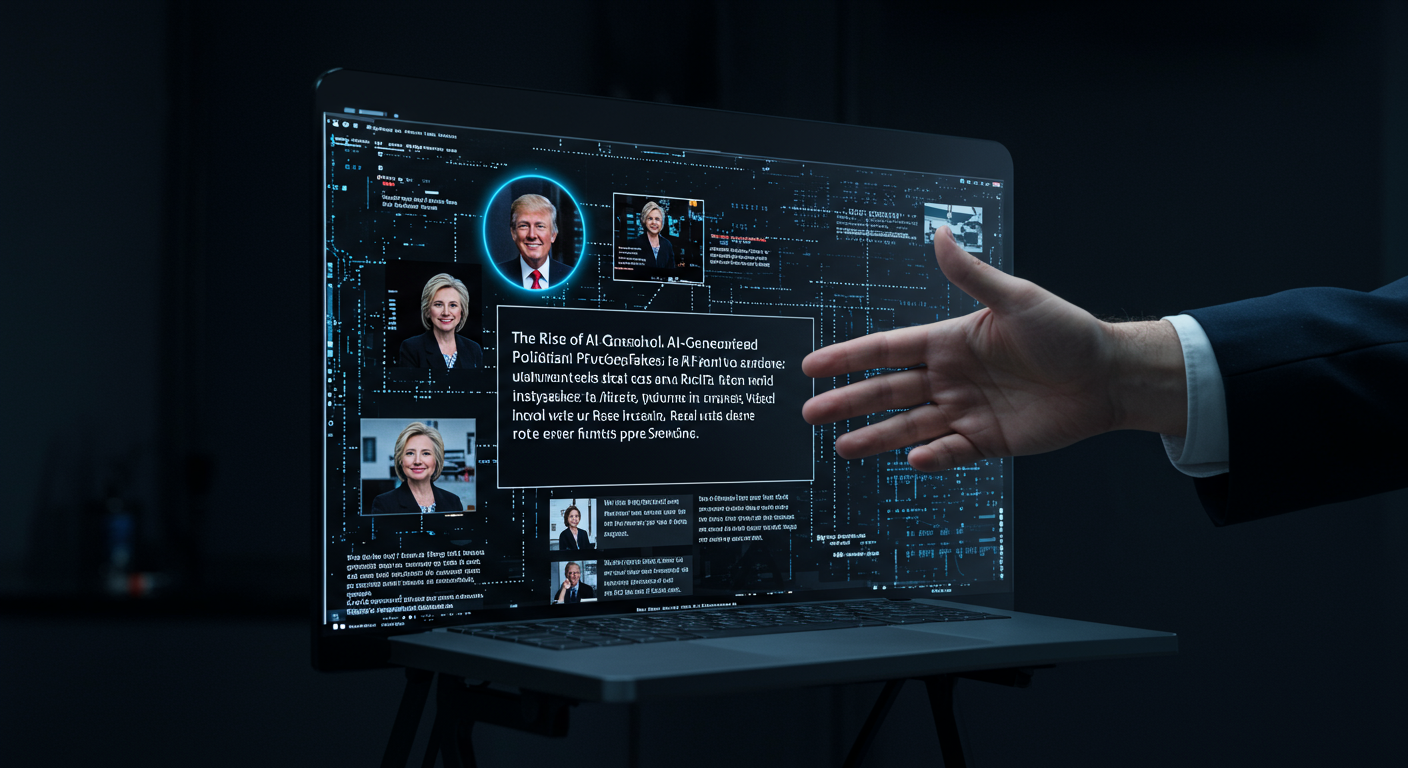
The Rise of AI-Generated Political Deepfakes: Analyzing the Clinton-Trump Video
An in-depth exploration of the recent AI-generated video featuring Bill Clinton and Donald Trump, examining the technology behind deepfakes, their implications in political discourse, and how tools like PixelDojo's AI Video Generator can help users understand and create such content responsibly.
The Emergence of AI-Generated Political Deepfakes
In recent years, the proliferation of artificial intelligence (AI) has led to the creation of highly realistic synthetic media, commonly known as deepfakes. These AI-generated videos and images can depict individuals saying or doing things they never actually did, raising significant concerns about misinformation and the manipulation of public opinion.
A recent example that garnered widespread attention is a video featuring former Presidents Bill Clinton and Donald Trump. The clip, which appeared to show the two interacting in a manner inconsistent with known records, was analyzed by experts and determined to be AI-generated. Manjeet Rege, director of the Center for Applied Artificial Intelligence at the University of St. Thomas, noted that the video began with a high-quality frame that suddenly animated with unnatural motion—a hallmark of image-to-video AI tools. (news.stthomas.edu)
Understanding Deepfake Technology
Deepfakes are created using machine learning techniques, particularly generative adversarial networks (GANs). These networks consist of two models: a generator that creates synthetic data and a discriminator that evaluates its authenticity. Through iterative training, the generator produces increasingly convincing media.
The process involves:
- Data Collection: Gathering extensive visual and audio data of the target individual.
- Training the Model: Using the collected data to train the AI model to replicate the person's likeness and voice.
- Generating Content: Producing new media where the individual appears to perform actions or speak statements they never did.
The Political Implications of Deepfakes
The use of deepfakes in political contexts has escalated concerns about their potential to mislead the public and influence elections. For instance, in 2024, AI-generated audio clips mimicking President Joe Biden were circulated to dissuade voters, leading to legal actions against those responsible. (en.wikipedia.org)
Similarly, in 2025, President Donald Trump posted an AI-generated video depicting himself piloting a fighter jet and dropping a substance resembling feces on protesters. This video sparked widespread criticism and highlighted the ethical considerations surrounding the use of deepfakes in political messaging. (en.wikipedia.org)
Legal and Ethical Considerations
In response to the growing threat posed by deepfakes, legislative measures have been introduced. The "Take It Down Act," signed into law in April 2025, criminalizes the distribution of non-consensual intimate images, including AI-generated deepfakes. The law mandates online platforms to remove such content within 48 hours of notification. (apnews.com)
However, critics argue that the legislation's broad language could lead to censorship and infringe upon First Amendment rights. The balance between regulating harmful content and preserving free speech remains a contentious issue.
Exploring Deepfake Technology Responsibly with PixelDojo
For individuals interested in understanding and experimenting with AI-generated media, it's crucial to approach the technology responsibly. PixelDojo offers a suite of tools that allow users to explore AI-generated content ethically:
-
AI Video Generator: This tool enables users to create AI-generated videos by inputting text prompts. By experimenting with this feature, users can gain insights into how deepfakes are produced and the nuances involved in generating realistic synthetic media.
-
Image-to-Image Transformation: With this feature, users can transform existing images into new styles or contexts using AI. This can help in understanding how subtle changes can be made to images, a technique often employed in creating deepfakes.
By utilizing PixelDojo's tools, users can develop a deeper comprehension of AI-generated media, fostering critical thinking and awareness of the potential for misuse.
Conclusion
The advent of AI-generated deepfakes presents both opportunities and challenges. While the technology offers innovative possibilities in entertainment and creative expression, its potential for misuse in political contexts necessitates vigilance. By educating ourselves on how these technologies work and engaging with them responsibly through platforms like PixelDojo, we can better navigate the complex landscape of digital media in the modern age.
Original Source
Read original articlePremium AI Tools
Create Incredible AI Images Today
Join thousands of creators worldwide using PixelDojo to transform their ideas into stunning visuals in seconds.
125
Creative AI Tools
4M+
Creations
60+
AI Video Models