Industry News
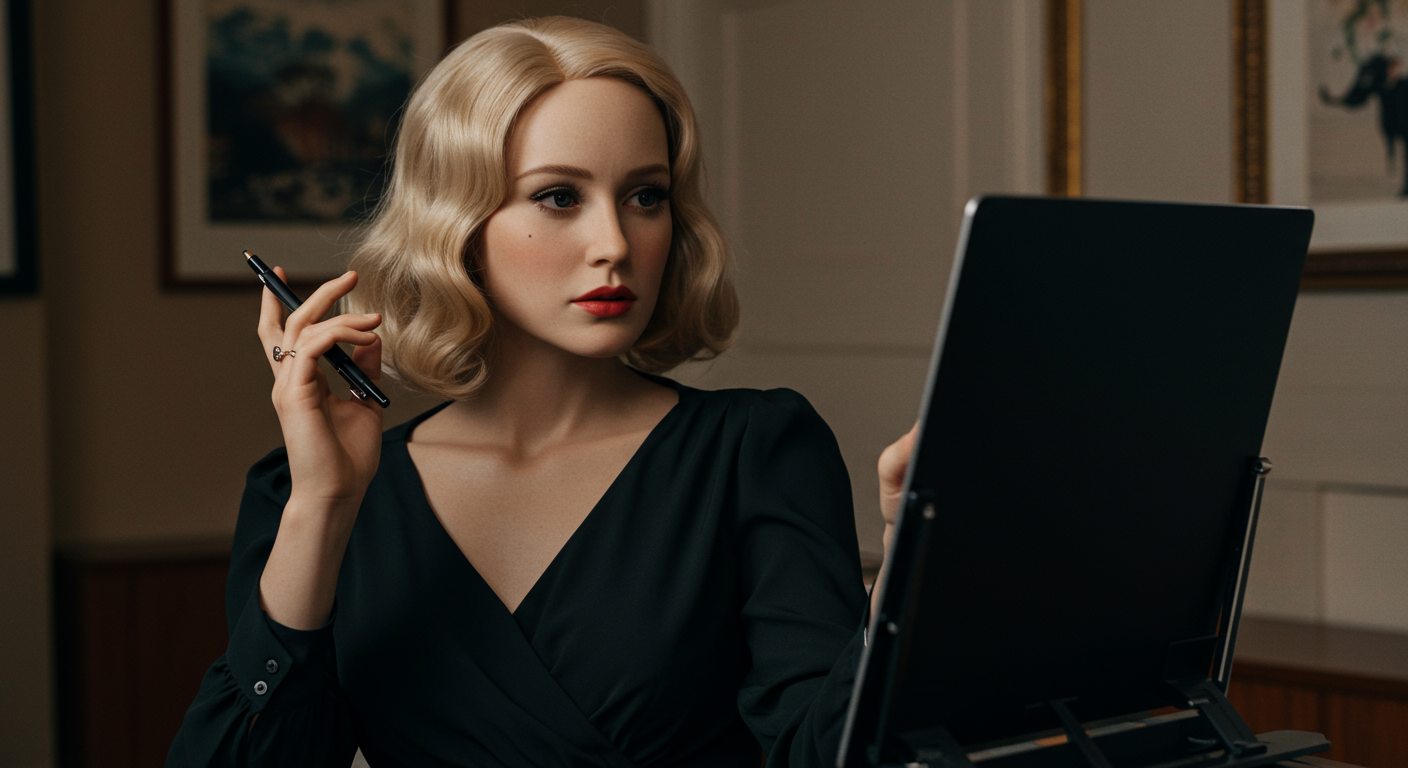
Tilly Norwood: The AI 'Actress' Stirring Controversy in Hollywood
The emergence of Tilly Norwood, an AI-generated actress, has ignited debates within Hollywood regarding the implications of synthetic performers on the entertainment industry, raising questions about ethics, labor rights, and the future of human actors.
Introduction
The entertainment industry is witnessing a transformative era with the advent of artificial intelligence (AI). A recent development that has captured widespread attention is the creation of Tilly Norwood, an AI-generated actress. This innovation has sparked significant debate among Hollywood professionals, raising critical questions about the role of AI in filmmaking and its potential impact on human actors.
Who Is Tilly Norwood?
Tilly Norwood is a fully synthetic actress developed using advanced AI technologies. Unlike traditional CGI characters, Tilly is not based on any human performer but is entirely generated by AI algorithms. She has appeared in various sketches and clips, including a comedic piece titled "AI Commissioner." (parade.com)
The Backlash from Hollywood
The introduction of Tilly Norwood has been met with considerable resistance from the acting community. Prominent actors have expressed concerns about the ethical and professional implications of AI performers. Emily Blunt described Tilly's existence as "terrifying," while Melissa Barrera urged actors to sever ties with agencies representing AI talents. (parade.com)
SAG-AFTRA, the union representing approximately 160,000 performers, issued a statement emphasizing that Tilly Norwood is not a real actor but a computer-generated character trained on the work of countless professionals without their permission or compensation. The union highlighted the potential threat to human artistry and livelihoods posed by such AI creations. (parade.com)
Ethical and Legal Considerations
The rise of AI-generated performers like Tilly Norwood brings several ethical and legal issues to the forefront:
-
Consent and Compensation: AI models are often trained on existing content, raising concerns about the use of actors' likenesses without their consent and without providing compensation.
-
Transparency: There is a need for clear disclosure when AI-generated characters are used, ensuring audiences are aware they are not watching human performers.
-
Labor Impact: The potential displacement of human actors by AI-generated characters could lead to job losses and devaluation of human creativity.
The Role of AI in Content Creation
While the controversy surrounding Tilly Norwood highlights the challenges posed by AI in the entertainment industry, AI also offers tools that can enhance and democratize content creation. Platforms like PixelDojo provide a suite of AI-powered tools that empower creators to produce high-quality visuals and videos efficiently.
For instance, PixelDojo's Text-to-Video tool enables users to generate dynamic videos from textual descriptions, allowing filmmakers and content creators to experiment with AI-driven storytelling. (pixeldojo.ai)
Additionally, PixelDojo's Image-to-Image transformation tool allows artists to modify existing images or create new ones based on input images, facilitating creative exploration and innovation. (pixeldojo.ai)
Balancing Innovation and Ethics
The case of Tilly Norwood underscores the need for a balanced approach to integrating AI into the entertainment industry. While AI can offer innovative tools for content creation, it is crucial to establish ethical guidelines and legal frameworks that protect the rights and livelihoods of human performers.
Industry stakeholders, including unions, production companies, and technology developers, must collaborate to create standards that ensure transparency, consent, and fair compensation in the use of AI-generated characters. This includes:
-
Clear Disclosure: Implementing rules that require explicit disclosure when AI-generated performers are used in productions.
-
Consent Mechanisms: Developing systems that obtain and respect the consent of individuals whose likenesses or performances are used to train AI models.
-
Compensation Structures: Establishing fair compensation models for the use of AI-generated characters that are based on existing performers' work.
Conclusion
The emergence of AI-generated performers like Tilly Norwood presents both opportunities and challenges for the entertainment industry. While AI offers tools that can enhance creativity and efficiency, it also raises significant ethical and professional concerns. By leveraging platforms like PixelDojo, creators can explore AI technologies responsibly, ensuring that innovation complements human artistry rather than replacing it. (pixeldojo.ai)
As the industry navigates this new landscape, it is imperative to prioritize ethical considerations and protect the interests of human performers, ensuring that the integration of AI into entertainment serves to enrich the creative process rather than undermine it.
Original Source
Read original articlePremium AI Tools
Create Incredible AI Images Today
Join thousands of creators worldwide using PixelDojo to transform their ideas into stunning visuals in seconds.
125
Creative AI Tools
4M+
Creations
60+
AI Video Models