Industry News
UNESCO Report Highlights AI's Impact on Artists' Incomes
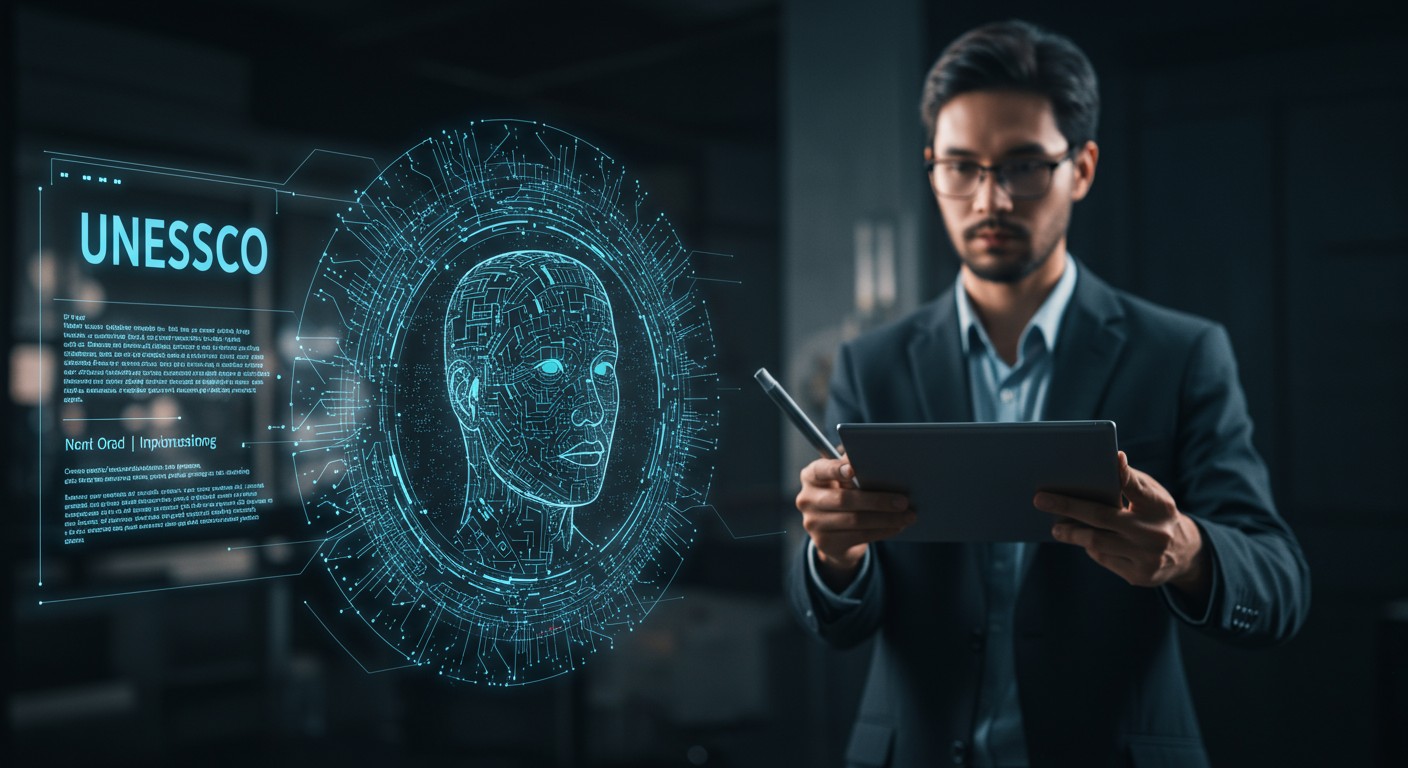
UNESCO's recent report warns that generative AI could lead to significant income losses for artists by 2028, urging for policy interventions to protect creative professionals.
UNESCO's Alarming Findings on AI's Impact on Artists
A recent report by UNESCO has raised significant concerns about the future of artists' incomes in the face of advancing artificial intelligence (AI) technologies. The study projects that by 2028, generative AI could lead to a 24% reduction in revenues for music creators and a 21% decline for those in the audiovisual sector. (ungeneva.org)
The Digital Shift and Its Implications
The creative industry has seen a substantial shift towards digital platforms, with digital revenues now accounting for 35% of creators' income, up from 17% in 2018. (decrypt.co) While this transition offers new opportunities, it also exposes artists to challenges such as intellectual property violations and competition from AI-generated content.
The Digital Divide and Global Inequities
UNESCO's report highlights a stark digital divide: 67% of individuals in developed countries possess essential digital skills, compared to only 28% in developing nations. (ungeneva.org) This disparity exacerbates inequalities among creators, particularly those in the Global South, limiting their ability to compete in an increasingly AI-driven market.
Legal and Ethical Challenges
The rapid proliferation of AI-generated content raises pressing legal and ethical questions. Major tech companies like OpenAI and Google are facing copyright lawsuits challenging the legitimacy of their AI training practices. (decrypt.co) This legal uncertainty leaves creators without clear rights to compensation when their work is used to train AI models that may later compete with their own creations.
Policy Recommendations and the Path Forward
UNESCO emphasizes the need for urgent, coordinated action to protect creators' rights and strengthen regulatory frameworks. The organization calls for:
- Fair Remuneration: Ensuring artists are compensated when their work is used to train AI models.
- Transparency: Requiring AI-generated content to be clearly labeled.
- Cultural Diversity: Training AI models to avoid perpetuating biases and to promote diverse and representative content. (unesco.org)
Leveraging AI Tools Responsibly
While AI poses challenges, it also offers tools that can empower artists. Platforms like PixelDojo provide a suite of AI-driven tools that, when used responsibly, can enhance creative processes:
- Image Generation: Tools such as Google Nano Banana and GPT-Image allow artists to generate and edit images using advanced AI models.
- Video Creation: VEO 3.1 and Sora 2 enable the creation of videos with AI assistance.
- Image Editing: Features like Inpainting and Style Transfer offer precise editing capabilities.
By integrating these tools into their workflows, artists can explore new creative avenues and maintain a competitive edge in the evolving digital landscape.
Conclusion
The UNESCO report serves as a critical call to action for policymakers, industry leaders, and artists to address the challenges posed by AI in the creative sector. By fostering fair practices, promoting transparency, and leveraging AI tools responsibly, the creative community can navigate this technological shift while preserving the livelihoods of artists worldwide.
Original Source
Read original articlePremium AI Tools
Create Incredible AI Images Today
Join thousands of creators worldwide using PixelDojo to transform their ideas into stunning visuals in seconds.
125
Creative AI Tools
4M+
Creations
60+
AI Video Models