Industry News
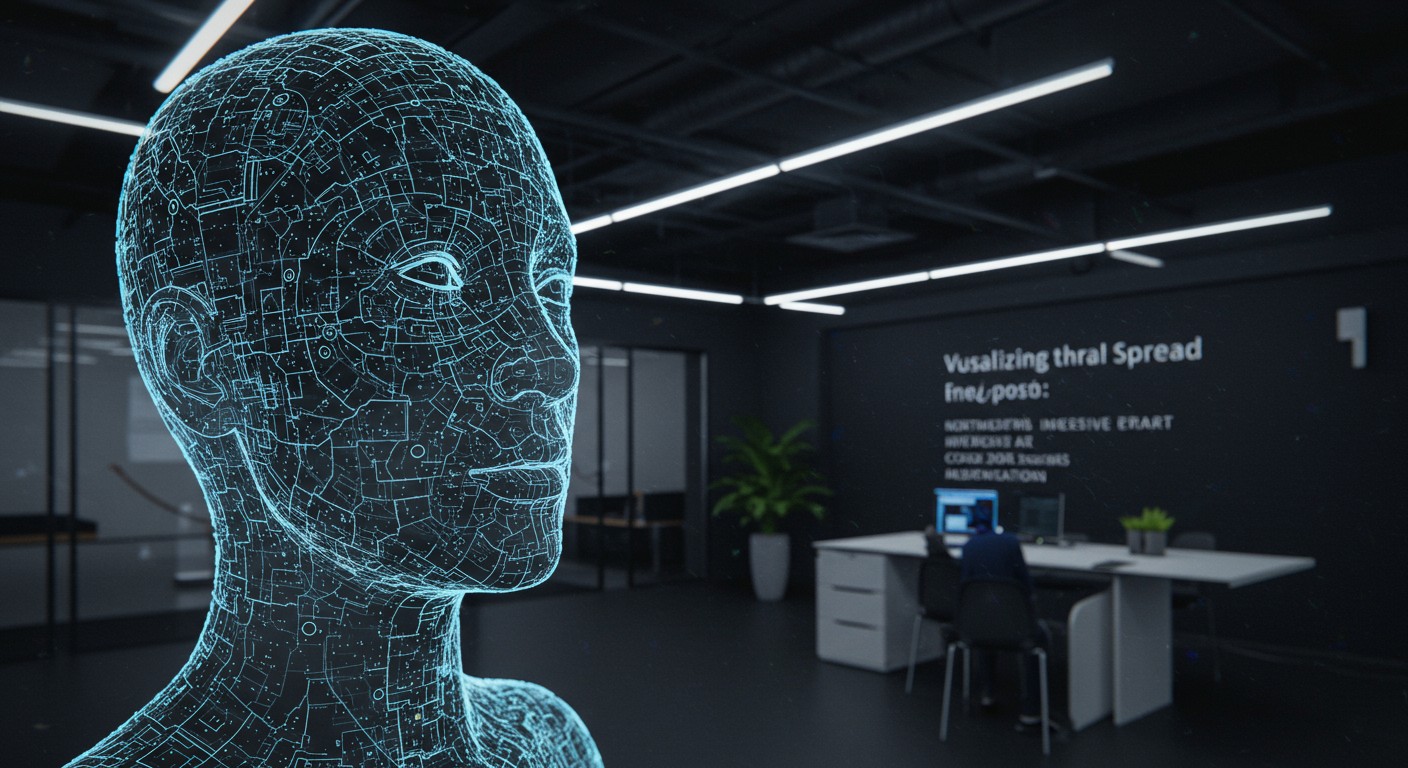
Visualizing the Viral Spread: Northeastern's Immersive Art Project on COVID-19 Misinformation
Northeastern University's immersive art installation vividly illustrates the rapid dissemination of COVID-19 misinformation on social media, offering a unique perspective on the intersection of art, technology, and public health.
Introduction
In an era where misinformation can spread as swiftly as a virus, understanding its propagation is crucial. Northeastern University has taken an innovative approach by creating an immersive art installation that visualizes the spread of COVID-19 misinformation on social media platforms. This project not only highlights the rapid dissemination of false information but also underscores the potential of combining art and technology to address complex societal issues.
The Art Installation: A Fusion of Data and Sensory Experience
Led by Professor Albert-László Barabási, the immersive installation transforms abstract data into a tangible experience. Visitors are enveloped in a darkened room where animations of small spheres in vibrant colors—reds, oranges, blues, and pinks—bubble up across the walls. Accompanied by unintelligible whispers and the sound of a dripping faucet, the installation evokes the unsettling nature of misinformation's spread. (news.northeastern.edu)
Barabási explains, “It’s an animation of how conveyors of fake news are actually sending their messages out, and how they are effectively infecting the social network behind Twitter with their messaging.” This artistic representation provides a visceral understanding of how misinformation permeates digital networks.
The Role of AI in Visualizing Misinformation
Artificial Intelligence (AI) plays a pivotal role in analyzing and visualizing complex data sets, such as the spread of misinformation. By leveraging AI, researchers can identify patterns, track the origin of false information, and understand its trajectory across social media platforms.
PixelDojo's AI Tools:
-
Stable Diffusion Tool: PixelDojo's Stable Diffusion tool enables users to generate high-quality images from textual descriptions. This tool can be utilized to create visual representations of abstract concepts, such as the spread of misinformation, making complex data more accessible and comprehensible.
-
Text-to-Video Tool: With PixelDojo's Text-to-Video tool, users can transform textual narratives into dynamic video content. This is particularly useful for illustrating the progression of misinformation over time, providing a chronological visual account of how false information proliferates.
The Impact of Misinformation on Public Health
The rapid spread of COVID-19 misinformation has had tangible consequences on public health. False claims about treatments, vaccines, and the virus's origin have led to confusion, vaccine hesitancy, and non-compliance with public health measures. A survey revealed that individuals who rely on social media for news are more likely to believe false claims about COVID-19, highlighting the critical need for effective communication strategies. (dailynorthwestern.com)
The Intersection of Art and Technology in Addressing Misinformation
Northeastern's project exemplifies how art and technology can intersect to address societal challenges. By transforming data into an immersive experience, the installation engages audiences on an emotional level, fostering a deeper understanding of the mechanisms behind misinformation spread.
PixelDojo's Image-to-Image Transformation:
PixelDojo's Image-to-Image transformation tool allows users to modify existing images to convey new narratives. This can be instrumental in creating visual content that debunks misinformation by presenting corrected information in a compelling and relatable manner.
Conclusion
The immersive art project at Northeastern University serves as a powerful reminder of the pervasive nature of misinformation and the innovative methods required to combat it. By leveraging AI tools like those offered by PixelDojo, artists and technologists can collaborate to create impactful visual narratives that educate the public and promote critical thinking. As misinformation continues to evolve, such interdisciplinary approaches will be essential in fostering a well-informed society.
Tags
- AI Art
- Misinformation
- COVID-19
- Social Media
- Data Visualization
Sources
Original Source
Read original articlePremium AI Tools
Create Incredible AI Images Today
Join thousands of creators worldwide using PixelDojo to transform their ideas into stunning visuals in seconds.
125
Creative AI Tools
4M+
Creations
60+
AI Video Models