Industry News
Generative AI: Transforming Architectural Visualization Without Replacing Human Creativity
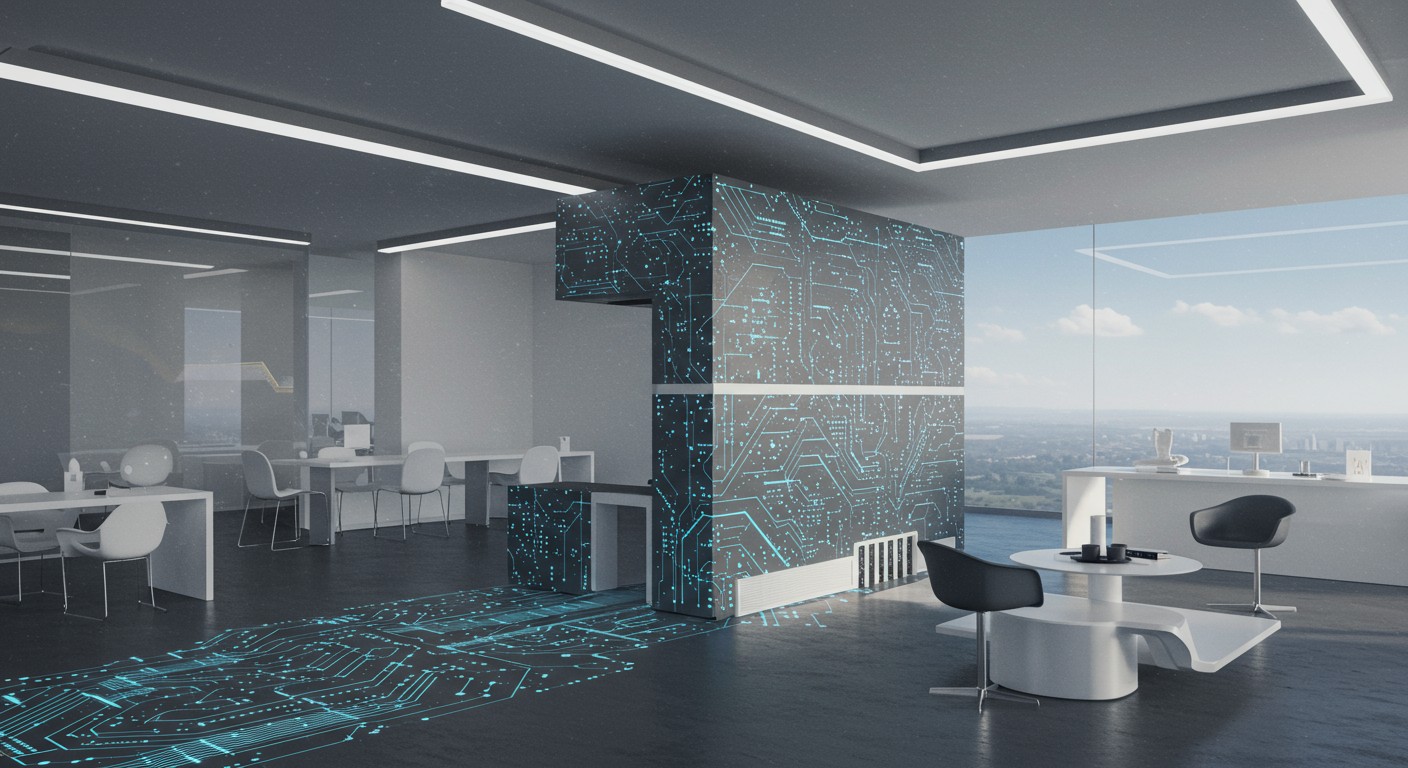
Generative AI is revolutionizing architectural visualization by streamlining design processes and enhancing creativity, yet it complements rather than replaces the essential human elements of architecture.
Introduction
The advent of generative artificial intelligence (AI) is significantly transforming architectural visualization and design. By automating complex tasks and offering rapid prototyping capabilities, AI tools are becoming invaluable assets in the architect's toolkit. However, as highlighted by architectural designer Danny Loza, these technologies serve to augment human creativity rather than supplant it. (techtimes.com)
The Role of Generative AI in Architectural Design
Generative AI encompasses algorithms capable of producing designs, images, and models based on input data and parameters. In architecture, this translates to:
-
Rapid Conceptualization: AI can generate multiple design iterations swiftly, allowing architects to explore various concepts without extensive manual drafting.
-
Enhanced Visualization: High-quality, photorealistic renderings can be produced efficiently, aiding in client presentations and stakeholder communications.
-
Design Optimization: AI algorithms can analyze environmental factors, material efficiency, and structural integrity to propose optimized design solutions.
Integrating AI into the Architectural Workflow
While AI offers numerous advantages, its integration into the architectural process is most effective when it complements human expertise. Loza emphasizes that AI-generated images should serve as catalysts for discussion and refinement rather than final deliverables. (techtimes.com)
PixelDojo: Empowering Architects with AI Tools
Platforms like PixelDojo provide architects with specialized AI tools tailored to the industry's needs:
-
ImagineArt: This tool enables the creation of photorealistic architectural renders from sketches or CAD drawings, streamlining the visualization process. (pixeldojo.ai)
-
Building Exploded View Generator: Architects can produce detailed exploded view images, enhancing presentations and educational materials. (pixeldojo.ai)
-
Architecture Drawing Generator: Facilitates the generation of detailed architectural drawings, allowing for rapid exploration of design concepts. (pixeldojo.ai)
Case Studies and Applications
AI-Powered Parametric Modeling
Research has demonstrated the integration of AI with parametric modeling tools like Revit and Grasshopper, enabling designers to iterate on geometry and materials without extensive coding. (cambridge.org)
Generative AI in Education
Educational institutions are incorporating AI to assist students in visualizing and understanding design concepts, fostering innovation and efficiency in learning environments. (scitepress.org)
The Human Element in Design
Despite AI's capabilities, the essence of architecture lies in human creativity, context understanding, and user-centric design. AI serves as a powerful tool to enhance these aspects but does not replace the nuanced decision-making and storytelling inherent in the profession.
Conclusion
Generative AI is reshaping architectural visualization by providing tools that enhance efficiency and creativity. Platforms like PixelDojo equip architects with the means to explore and present designs more effectively. However, the integration of AI should be viewed as a complement to human ingenuity, ensuring that the core values of architecture remain centered on human experience and contextual relevance.
Original Source
Read original articlePremium AI Tools
Create Incredible AI Images Today
Join thousands of creators worldwide using PixelDojo to transform their ideas into stunning visuals in seconds.
125
Creative AI Tools
4M+
Creations
60+
AI Video Models