Industry News
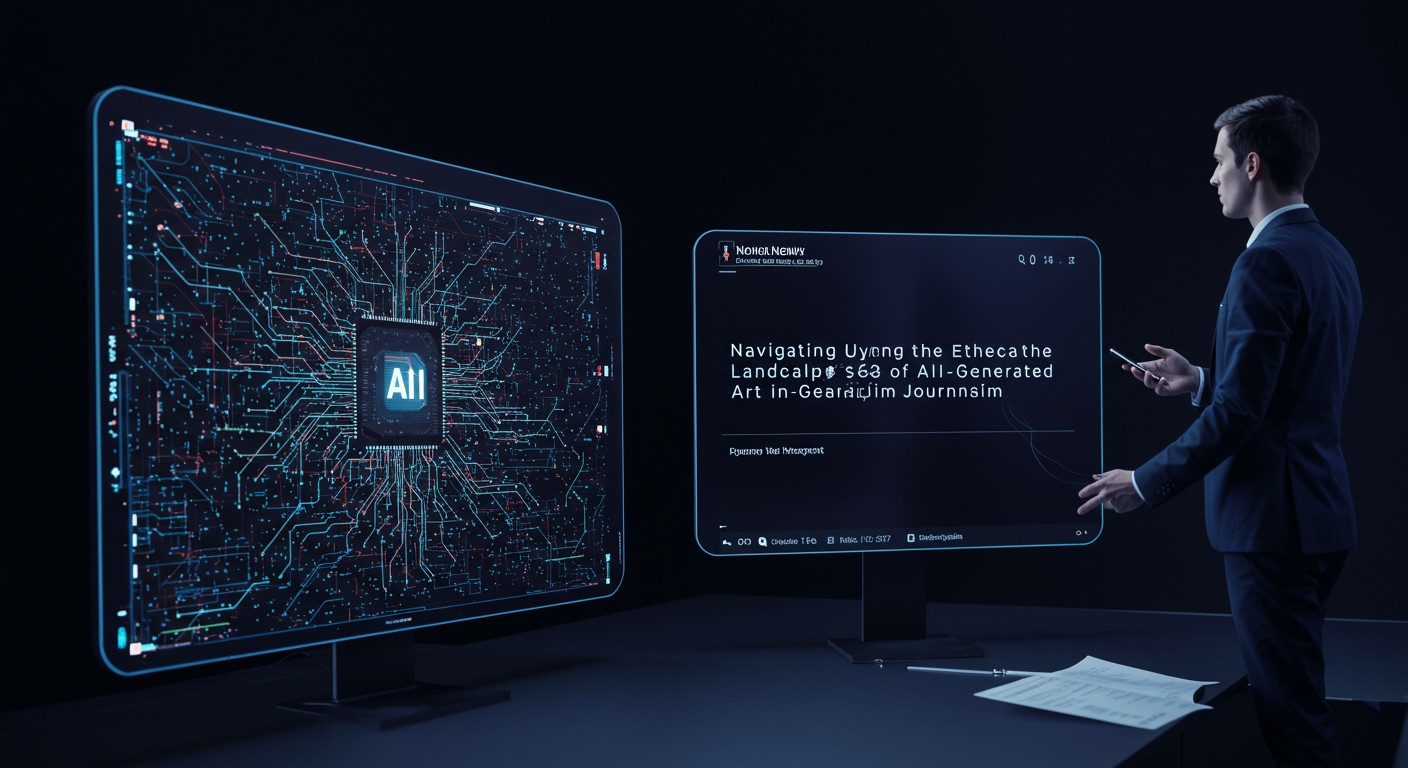
Navigating the Ethical Landscape of AI-Generated Art in Journalism
As AI-generated imagery becomes more prevalent in journalism, it's crucial to consider the ethical implications and the impact on authenticity and trust. This article explores the challenges and offers guidance on responsible integration of AI art in journalistic content.
The Rise of AI-Generated Imagery in Journalism
Artificial Intelligence (AI) has revolutionized various sectors, including journalism. One significant advancement is the ability to generate images and videos using AI models. Tools like PixelDojo's GPT-Image and Grok Image enable journalists to create visuals that align closely with their narratives, enhancing storytelling capabilities.
Ethical Considerations in Using AI-Generated Art
While AI-generated art offers numerous benefits, it also raises ethical questions:
-
Authenticity and Trust: Readers expect genuine content. Using AI-generated images without disclosure can mislead audiences.
-
Intellectual Property: AI models often train on existing artworks, leading to potential copyright infringements.
-
Bias and Representation: AI models may perpetuate biases present in their training data, resulting in unfair or inaccurate representations.
Best Practices for Integrating AI Art in Journalism
To responsibly incorporate AI-generated visuals, consider the following:
-
Transparency: Clearly disclose when images are AI-generated. This maintains reader trust and upholds journalistic integrity.
-
Verification: Use AI tools to enhance, not replace, traditional reporting. For instance, PixelDojo's Image Analyzer can assist in verifying the authenticity of images.
-
Bias Mitigation: Regularly audit AI tools for biases. Engage diverse teams to review AI-generated content to ensure fair representation.
-
Legal Compliance: Ensure that AI-generated content doesn't infringe on existing copyrights. Tools like PixelDojo's Reality Polisher can help refine images to avoid potential legal issues.
The Future of AI Art in Journalism
As AI technology evolves, its role in journalism will expand. However, the core principles of accuracy, fairness, and transparency must guide its integration. By leveraging tools like PixelDojo's Flux.2 Studio for multi-reference image generation, journalists can enhance their content while adhering to ethical standards.
Conclusion
AI-generated art presents exciting opportunities for journalism but comes with responsibilities. By adopting best practices and utilizing tools like those offered by PixelDojo, journalists can navigate this new landscape ethically, ensuring that their content remains trustworthy and authentic.
Original Source
Read original articlePremium AI Tools
Create Incredible AI Images Today
Join thousands of creators worldwide using PixelDojo to transform their ideas into stunning visuals in seconds.
125
Creative AI Tools
4M+
Creations
60+
AI Video Models