Industry News
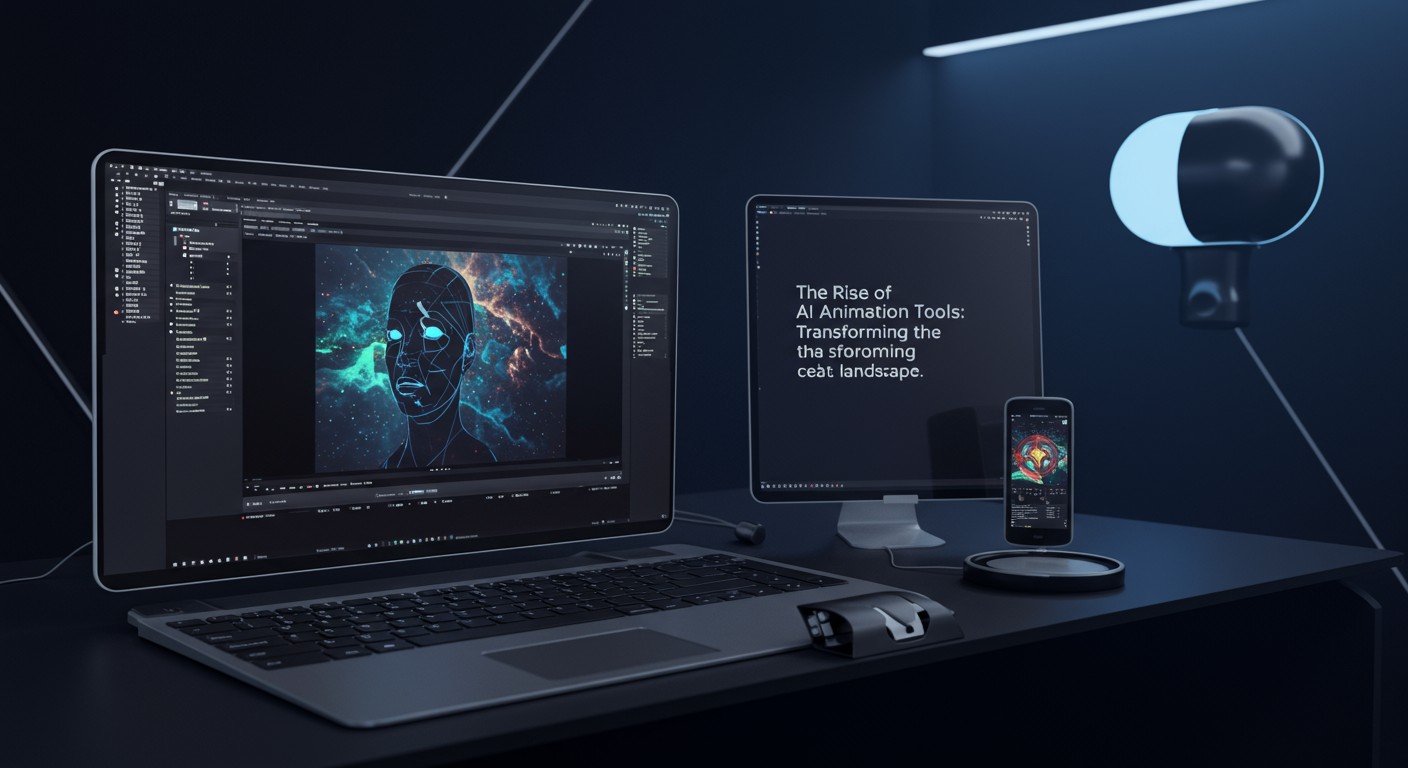
The Rise of AI Animation Tools: Transforming the Creative Landscape
Artificial Intelligence is revolutionizing animation by introducing tools that automate and enhance the creative process. This article explores the latest advancements in AI-powered animation, highlighting key tools and their impact on the industry.
Introduction
The animation industry is undergoing a significant transformation, driven by the integration of Artificial Intelligence (AI). AI-powered tools are streamlining workflows, enabling creators to produce high-quality animations with unprecedented efficiency. This evolution is not only enhancing professional studios' capabilities but also democratizing animation for independent artists and enthusiasts.
Disney's Investment in OpenAI's Sora
A landmark development in AI animation is Disney's recent $1 billion investment in OpenAI. This partnership grants OpenAI's Sora AI video generator access to over 200 characters from Disney's vast portfolio, including icons like Mickey Mouse and Cinderella. Fans can now generate and share short videos featuring these beloved characters through text prompts, with select user-generated content showcased on Disney+. This collaboration underscores the growing synergy between traditional entertainment giants and cutting-edge AI technologies.
Emerging AI Animation Tools
Several AI-driven platforms are reshaping the animation landscape:
-
ImagineArt: Developed by Vyro.ai, ImagineArt is a comprehensive creative suite offering tools for generating digital images, videos, music, and voice media. Initially launched as a mobile app, it has expanded to a desktop web platform, providing a versatile environment for creators to experiment with AI-generated content.
-
LTX Studio: Introduced by Lightricks, LTX Studio allows users to transform text prompts or scripts into characters, scenes, storyboards, and video sequences. With integrated editing controls, it offers a high degree of manual control, enabling creators to fine-tune their animations with precision.
-
Flow by Google: Google's AI-powered video creation tool, Flow, has recently introduced four new editing features that enhance user control and flexibility. Built on AI models like Veo 3.1, Nano Banana, and Imagen, Flow now allows creators to edit videos and images with fewer prompts and without regenerating entire scenes. Notable updates include a dedicated Images tab for generating and editing visuals, a doodle-based prompting feature, object insertion or removal within scenes, and new camera angle presets for reshooting scenes from different perspectives.
Traditional Animation Software Embracing AI
Established animation software is also integrating AI to enhance their capabilities:
-
Blender: This open-source 3D creation suite has been utilized in various high-profile projects, including the 2019 film "I Lost My Body," where its Grease Pencil tool was used to draw over CGI animation, achieving dynamic camera movements that are challenging with traditional methods.
-
Toonz: Known for its use in Studio Ghibli productions, Toonz has evolved into OpenToonz, an open-source platform that continues to serve as a robust tool for 2D animation, now accessible to a broader range of creators.
The Impact of AI on Animation
AI animation tools are revolutionizing the industry by:
-
Reducing Production Time: Automating tasks like in-betweening and lip-syncing accelerates the animation process, allowing creators to focus on storytelling and artistic expression.
-
Enhancing Creativity: AI-generated suggestions and assets inspire new ideas, enabling artists to explore styles and concepts they might not have considered otherwise.
-
Democratizing Animation: User-friendly AI tools lower the barrier to entry, allowing individuals without formal training to create professional-quality animations.
Exploring AI Animation with PixelDojo
For those interested in delving into AI-powered animation, PixelDojo offers a suite of tools that align with the technologies discussed:
-
Text-to-Video Tool: PixelDojo's Text-to-Video tool enables users to generate video sequences from textual descriptions, similar to the capabilities of platforms like LTX Studio. This tool allows creators to bring their narratives to life without extensive technical expertise.
-
Image-to-Image Transformation: With PixelDojo's Image-to-Image transformation feature, users can modify existing images to create new scenes or characters, facilitating the exploration of different artistic styles and concepts.
-
Stable Diffusion Tool: PixelDojo's Stable Diffusion tool allows users to generate high-quality images from text prompts, providing a foundation for creating assets that can be incorporated into animations.
By leveraging these tools, creators can experiment with AI-driven animation techniques, enhancing their projects with innovative and efficient workflows.
Conclusion
The integration of AI into animation is not just a trend but a paradigm shift that is redefining the creative process. As tools like ImagineArt, LTX Studio, and Flow continue to evolve, and traditional software like Blender and Toonz embrace AI capabilities, the possibilities for animators are expanding exponentially. Platforms like PixelDojo provide accessible avenues for creators to explore these advancements, ensuring that the future of animation is both innovative and inclusive.
Original Source
Read original articlePremium AI Tools
Create Incredible AI Images Today
Join thousands of creators worldwide using PixelDojo to transform their ideas into stunning visuals in seconds.
125
Creative AI Tools
4M+
Creations
60+
AI Video Models