Civitai lora training AI Generator
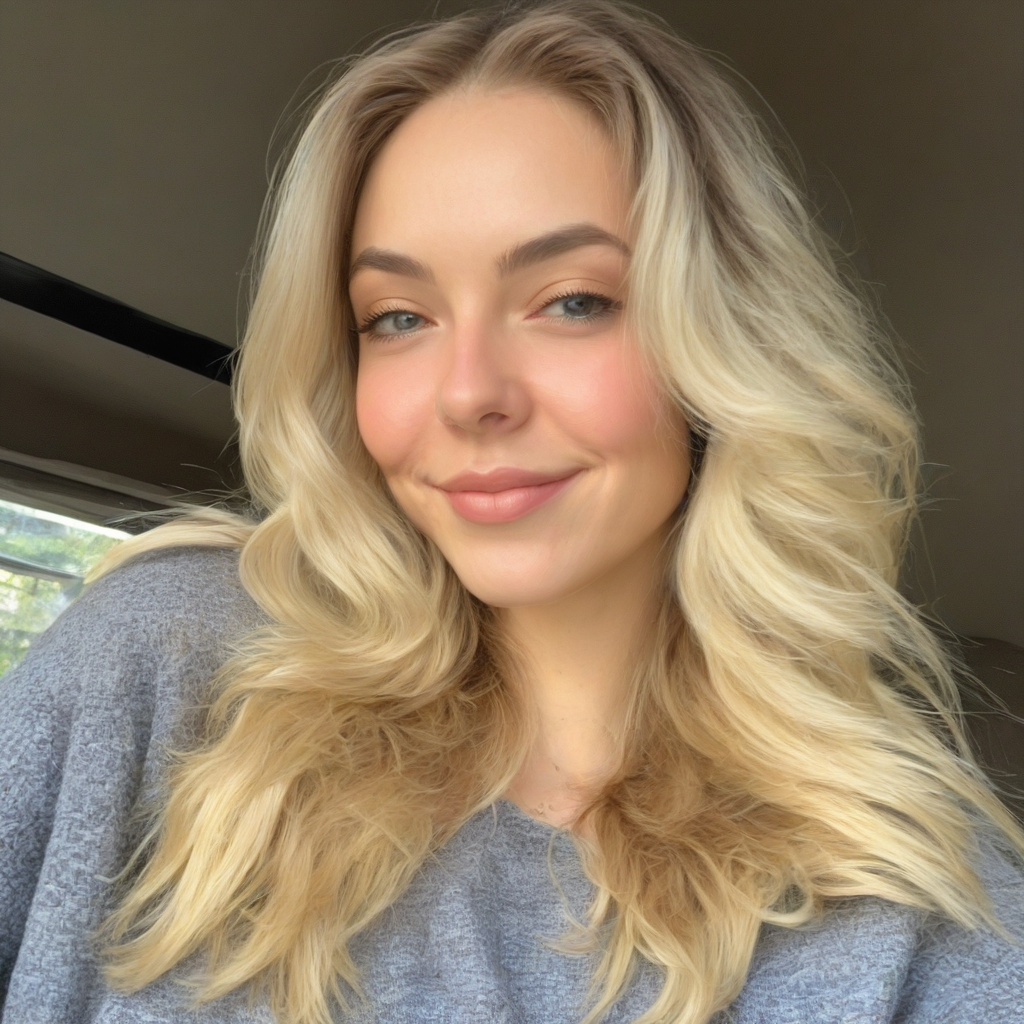
Generated on PixelDojo. Produced by PixelDojo's generation pipeline.
Unlock the power of personalized AI image generation with PixelDojo's advanced tools. By leveraging Civitai LoRA training techniques, you can create unique, high-quality images tailored to your specific needs. Whether you're an artist, designer, or content creator, PixelDojo simplifies the process, enabling you to bring your creative visions to life effortlessly.
Real image examples generated on PixelDojo
Every example below was produced on PixelDojo. Hover to see the prompt.
Civitai lora training on PixelDojo
stable-diffusion
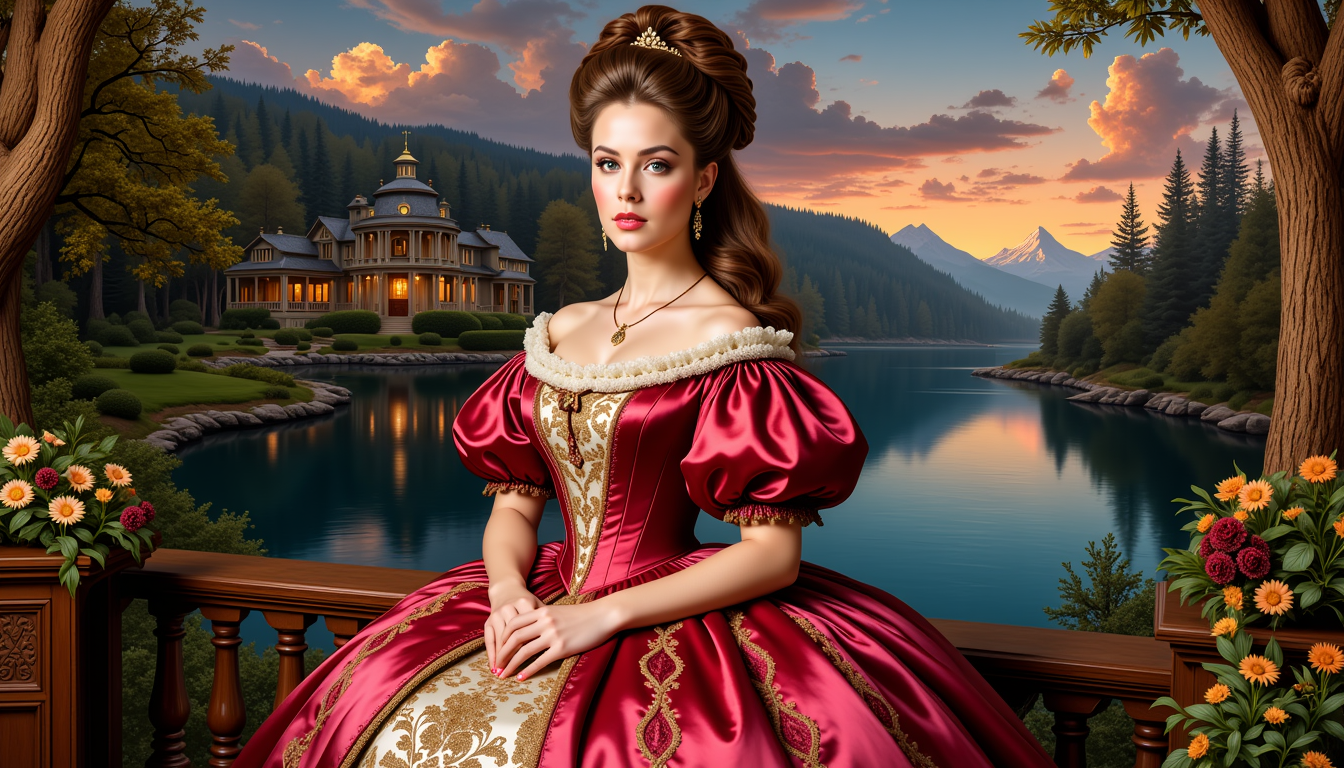
FantasyWomanLoRa
stable-diffusion
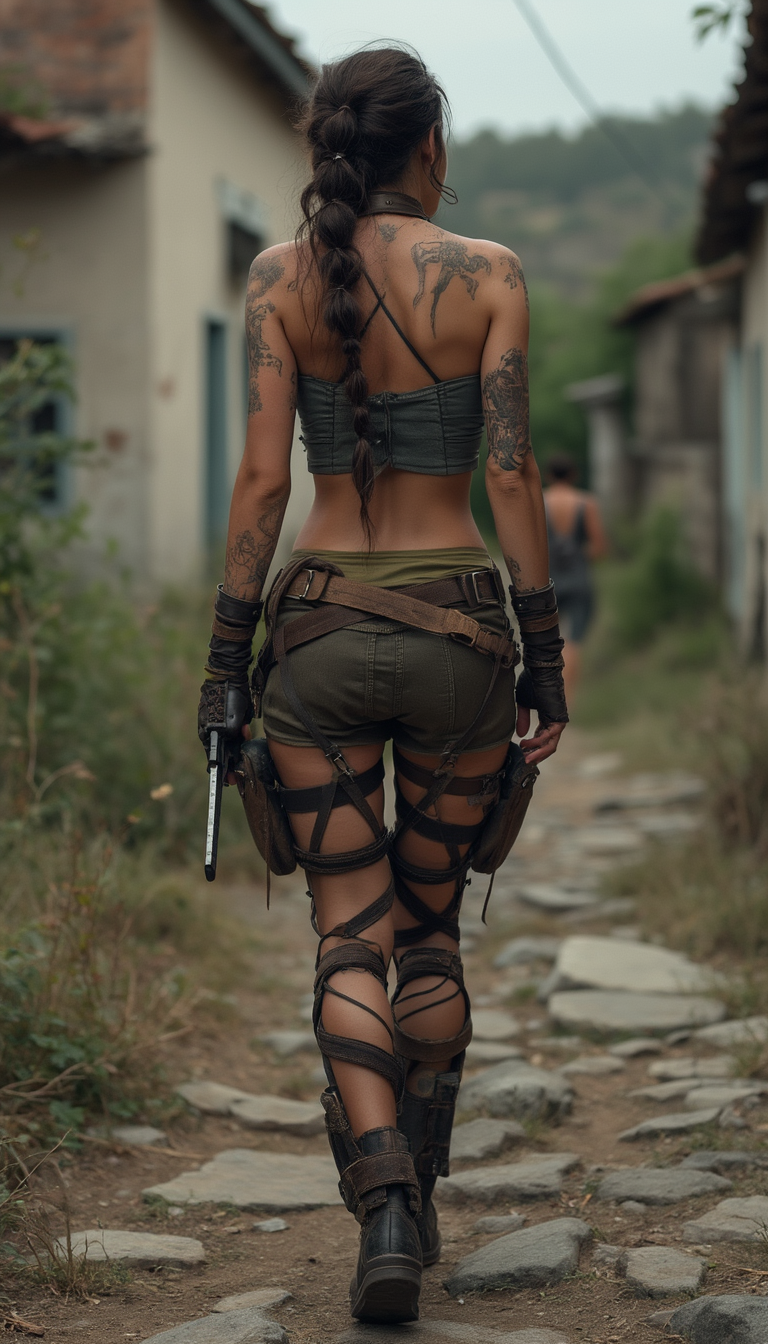
A warrior woman in vintage Lara Croft inspired attire
flux
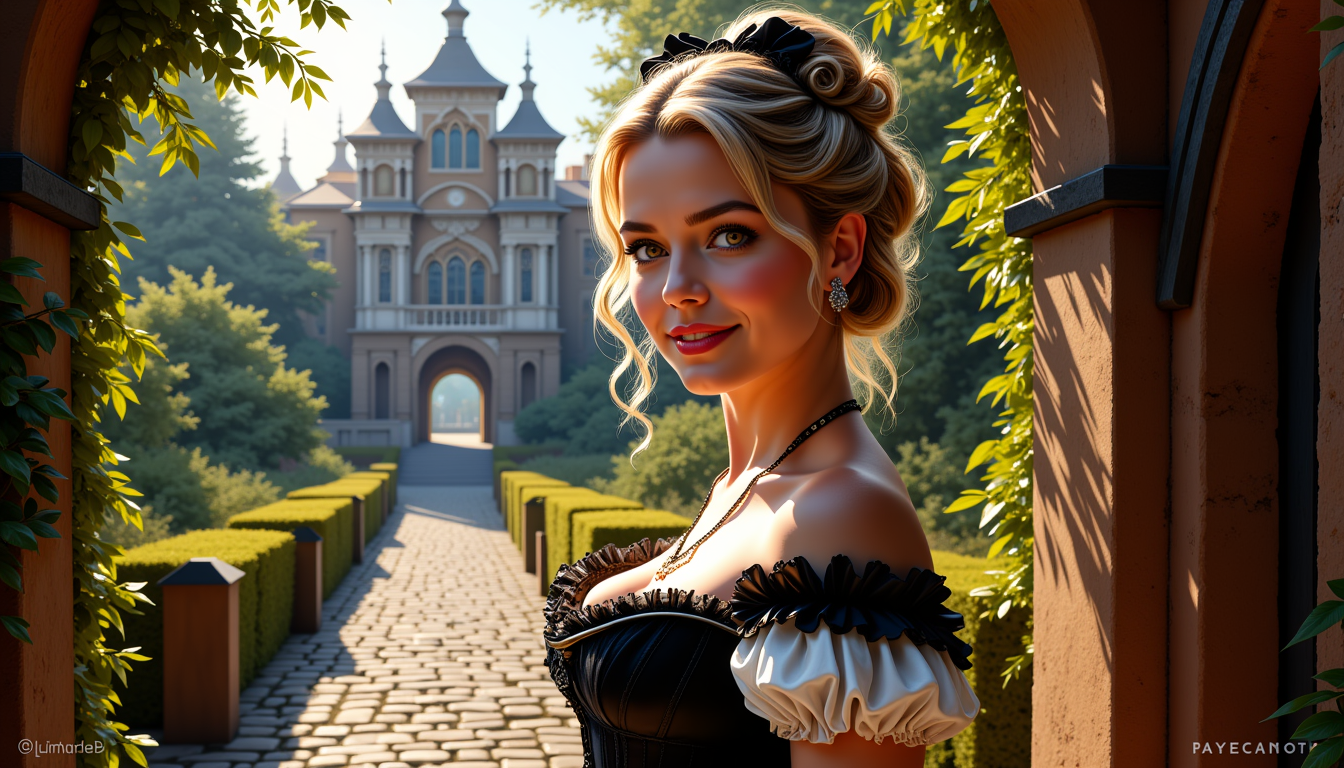
FantasyWomanLoRa
flux
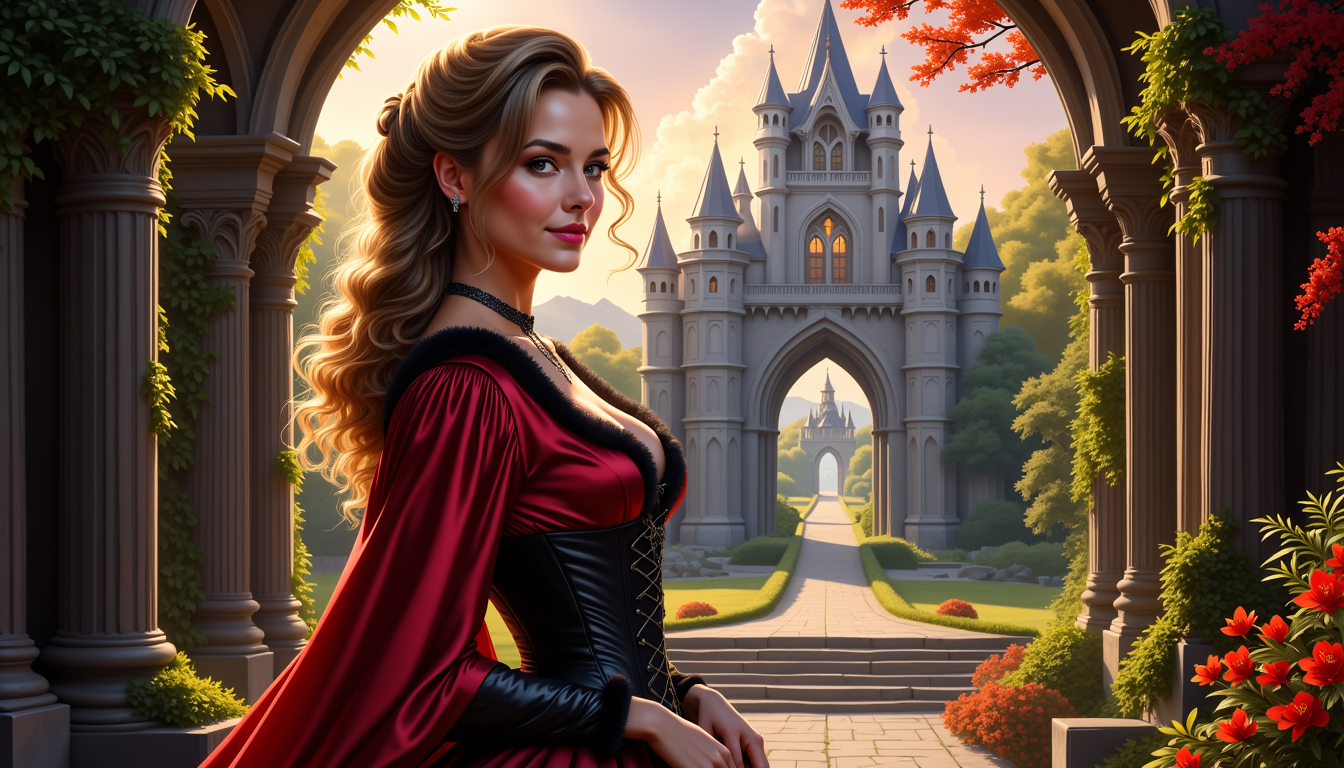
FantasyWomanLoRa
flux
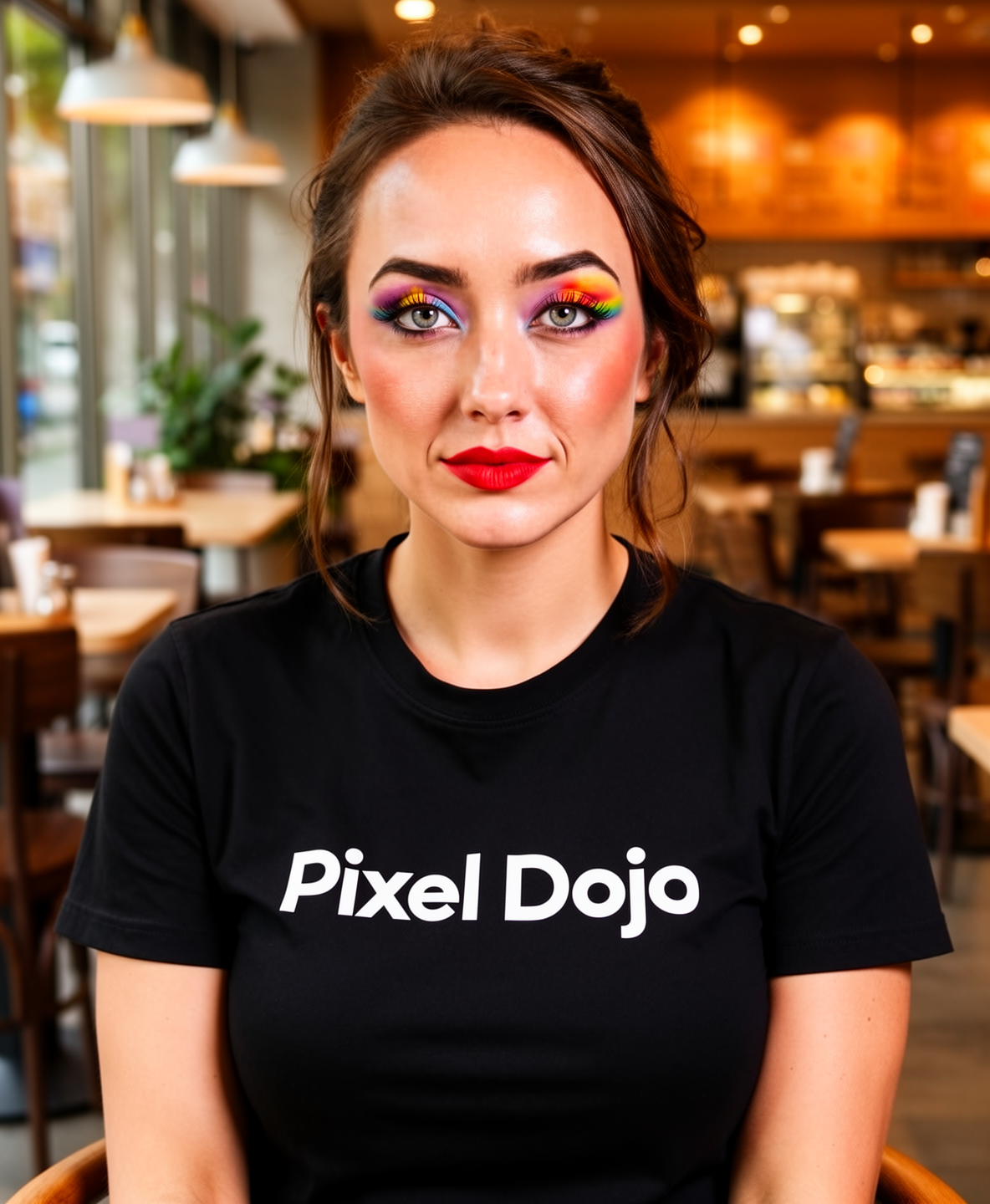
The woman wearing a Pixel Dojo shirt in a cafe
flux-2-flex
Models you can run on PixelDojo for Civitai lora training
Switch models without switching tools. Each one runs in the same PixelDojo studio.
What you can do with Civitai lora training on PixelDojo
Upload and Train LoRAs
Creators upload image sets and configure training runs for LoRA models. We handle the compute resources needed.
Fine Tune Civitai Models
Start from existing Civitai models and apply your training data. Output files are ready for download or further use.
Preview Generated Images
Test your LoRA during and after training by generating sample images. Adjust settings based on immediate feedback.
Export Models to Civitai
We prepare LoRA files in compatible formats for Civitai uploads. Share your trained models with the community.
Join over 10,000 satisfied creators who have enhanced their projects using PixelDojo's AI tools. With a 4.8/5 average rating, our platform is trusted by professionals worldwide.
Why Choose Pixel Dojo for Civitai lora training
Professional-quality results with cutting-edge AI technology
Create Custom AI Images
Generate images that align perfectly with your creative vision using Civitai LoRA training.
Streamline Your Workflow
Save time and effort with PixelDojo's intuitive tools designed for efficiency.
Achieve Professional Quality
Produce high-resolution, detailed images suitable for professional use.
How It Works
Creating custom AI-generated images with Civitai LoRA training on PixelDojo is straightforward. Follow these steps to get started:
Step 1: Prepare Your Dataset
Collect and curate a set of high-quality images that represent the style or subject you want to train your model on. Ensure diversity in poses, backgrounds, and lighting to enhance the model's learning.
Step 2: Train Your Model
Use PixelDojo's FLUX Model Trainer to upload your dataset and initiate the LoRA training process. Adjust parameters such as learning rate and epochs to optimize the model's performance.
Step 3: Generate and Refine Images
Once training is complete, utilize tools like the SDXL Image Creator to generate images based on your trained model. Fine-tune prompts and settings to achieve the desired output.
The Pixel Dojo Advantage
Why PixelDojo outperforms other options for Civitai LoRA training and AI image generation:
| Others | Pixel Dojo |
|---|---|
| Traditional Image Editing | Automates the creation process, reducing manual effort and time. |
| Generic AI Tools | Offers specialized tools tailored for Civitai LoRA training, ensuring higher quality outputs. |
| Manual AI Model Training | Simplifies the complex process of model training with user-friendly interfaces and support. |
Loved by creators on PixelDojo
Real feedback from people using PixelDojo, pulled from our in-product surveys.
The Flux Pro Ultra is just amazing!
Very easy to use, and they have fast wan 2.2 video generation with custom loras available.
The overall quality of the site and it's amazing variety of tools. The continued updates of the UI. The unbelievable level of tech support.
THIS IS SO DOPE !
I have already recommended it to friends
All the tools, plus the guidance
Explore more AI tools on PixelDojo
AI Tools
Compare & Switch
- Best AI Image Generators
- Best AI Video Generators
- Midjourney Alternatives
- Civitai Alternatives
- Runway Alternatives
- Leonardo Alternatives
- Pika Alternatives
- Luma Alternatives
- Magnific Alternatives
- Veo Alternatives
- Flux Alternatives
- Freepik Alternatives
- Seedance Alternatives
- Seedream Alternatives
- Pixverse Alternatives
- GPT Image Alternatives
- Synthesia Alternatives
- Playground Alternatives
- NightCafe Alternatives
- Canva AI Alternatives
- ElevenLabs Alternatives
- ComfyUI Alternatives
- Fal Alternatives
- Replicate Alternatives
Common Questions
Everything you need to know about Civitai lora training
What is Civitai LoRA training?
Civitai LoRA training involves fine-tuning AI models to generate images that align with specific styles or subjects by using a curated dataset. This technique allows for personalized and high-quality image generation.
How does PixelDojo support Civitai LoRA training?
PixelDojo offers tools like the FLUX Model Trainer and SDXL Image Creator, which streamline the process of training and generating images using Civitai LoRA techniques. These tools are designed to be user-friendly and efficient.
Do I need prior experience in AI to use PixelDojo's tools?
No, PixelDojo is designed for users of all experience levels. Our intuitive interfaces and comprehensive guides make it easy for anyone to start creating custom AI-generated images.
Can I use my own images for training?
Yes, you can upload your own curated dataset to train models using PixelDojo's tools. This allows for greater personalization and control over the generated images.
What file formats are supported for image uploads?
PixelDojo supports common image formats such as JPEG, PNG, and BMP for training datasets. Ensure your images are of high quality for optimal results.
Is there a limit to the number of images I can use for training?
While there is no strict limit, it's recommended to use a diverse set of 20-50 high-quality images to effectively train your model. Larger datasets can improve the model's performance but may require more processing time.