minimax h3 vs wan

AI Generated
Cancel anytimeCommercial-use license50+ AI models

Ready to produce cinematic AI videos that captivate audiences, boost conversions, and elevate your brand? On PixelDojo, you unlock the power of MiniMax H3 versus WAN models side-by-side—delivering professional-grade results in minutes instead of days. Whether you need high-fidelity 2K clips with native stereo sound from MiniMax H3 or smooth 1080p motion with advanced instruction editing and multi-reference control from WAN 2.7 and WAN 2.6, PixelDojo puts both at your fingertips. Achieve consistent characters, precise camera moves, brand-perfect text rendering, and ready-to-publish marketing videos, social reels, product demos, and storytelling sequences. Stop juggling platforms—create, edit, upscale, and refine everything in one place with 40+ cutting-edge AI tools loved by thousands of creators worldwide. Cancel anytime and start turning ideas into scroll-stopping content today.

Trusted by thousands of creators, marketers, and agencies worldwide. PixelDojo users generate millions of stunning images and videos monthly with top ratings for speed, quality, and versatility. Join the community producing commercial-ready content with MiniMax H3 and WAN tools—real results, zero hassle.

Why Choose Pixel Dojo for minimax h3 vs wan

Professional-quality results with cutting-edge AI technology

Produce Cinematic Videos with Native Audio Instantly

Generate up to 15-second clips packed with realistic motion, stereo sound, dialogue, and effects. MiniMax H3 delivers 2K resolution excellence for ads and films, while WAN 2.7 shines with smooth 1080p coherence and audio sync—perfect for social media and e-commerce that convert viewers into customers.

Lock in Perfect Character & Brand Consistency

Upload references for faces, products, motions, or voices and maintain identity across every shot. Use WAN Reference to Video, MiniMax H3 multi-asset inputs, or Character tools to create series, avatars, and campaigns that feel cohesive and professional every time.

Edit, Enhance & Scale Without Leaving the Platform

Go beyond generation with instruction-based edits, style transfers, upscaling via Magnific or P-Image Upscale, background removal, and video merging. Turn rough concepts into polished, high-converting assets faster than traditional workflows, freeing you to focus on strategy and growth.

How It Works

Creating standout videos with MiniMax H3 or WAN models on PixelDojo is simple, intuitive, and results-driven. Follow these steps to go from idea to downloadable masterpiece in minutes.

1

Step 1: Choose Your Powerhouse Tool

Log into PixelDojo and select MiniMax H3 for multimodal 2K video with native stereo audio and deep context understanding, or pick WAN 2.7 Video, WAN 2.6 Video, WAN Reference to Video, or WAN 2.7 Spicy Image-to-Video for smooth motion, first-and-last frame control, and instruction editing. Pair with WAN Image or other generators for starting frames. Explore related tools like Kling Video or Seedance for variety.

2

Step 2: Craft Your Prompt and Add References

Describe your vision in natural language—include camera moves, emotions, styles, and actions. Upload up to multiple images, video clips, or audio for MiniMax H3 omni-context or WAN multi-reference and subject/voice locking. Specify duration (up to 15s), resolution, and aspect ratio. Use tools like Consistent Characters or Face Swap beforehand for perfect subjects.

3

Step 3: Generate, Customize, Enhance & Download

Hit generate and watch your video come to life. Refine with WAN 2.7 Video Edit, MiniMax-compatible editing, Inpainting, Magic Lighting, Video Upscaler, or Reality Polisher. Add captions via Video Autocaption, merge clips, or reframe. Download high-quality files ready for ads, socials, or websites. Iterate freely with PixelDojo’s flexible credits.
Community minimax h3 vs wan Gallery

Real examples created by our community

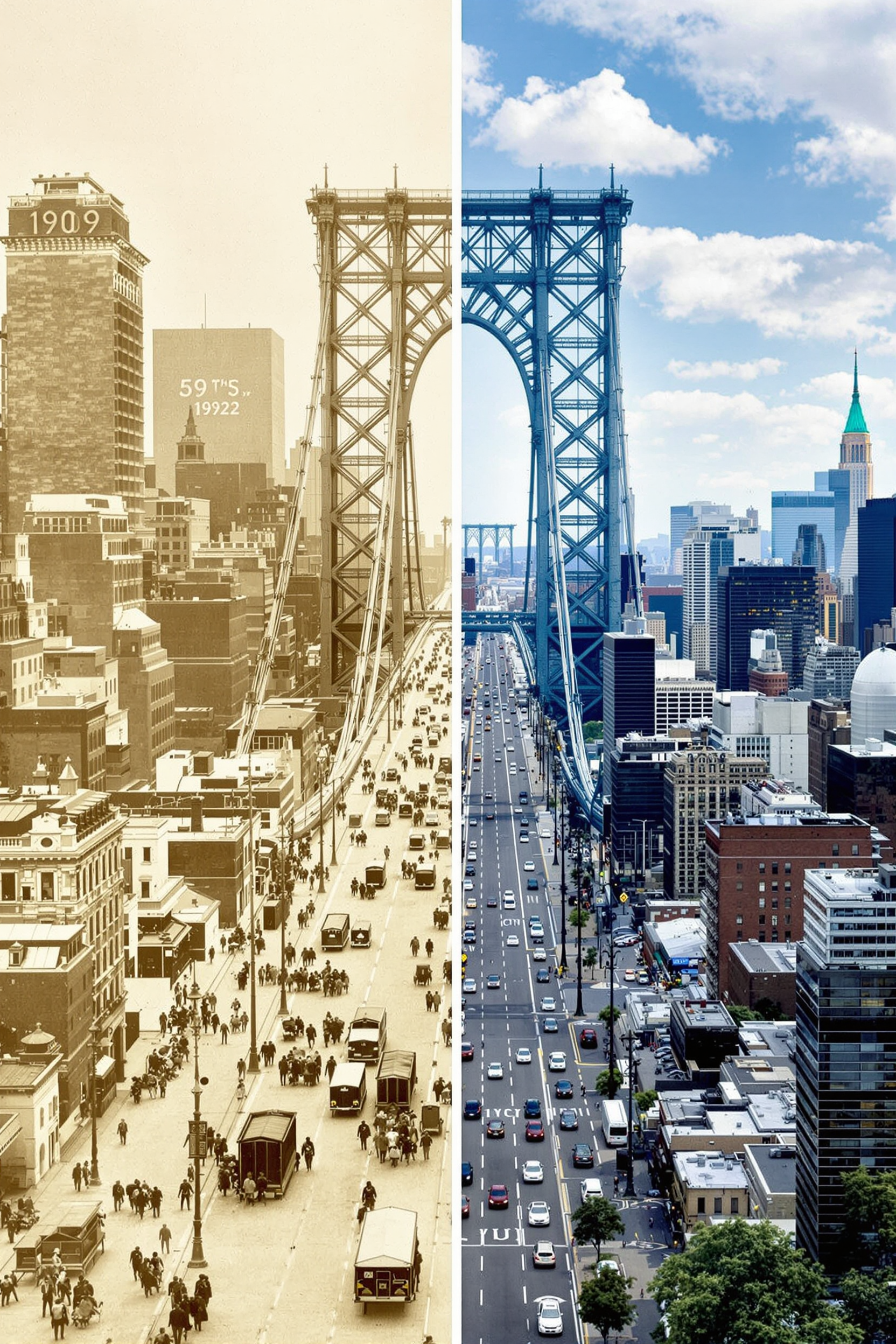
 Queensboro Bridge, New York.
A split-frame image of the 59th Street Queensboro Bridge in New York City, with the left side showing the year 1909 in sepia tones, featuring early 20th-century architecture, horse-drawn carriages, and simpler buildings. The right side depicts the year 2022 in full color, showcasing the modern NYC skyline with towering skyscrapers, bustling traffic, and advanced architecture. The iconic bridge stands central in both time periods, emphasizing the transformation of the city from past to present.
AI-generated image
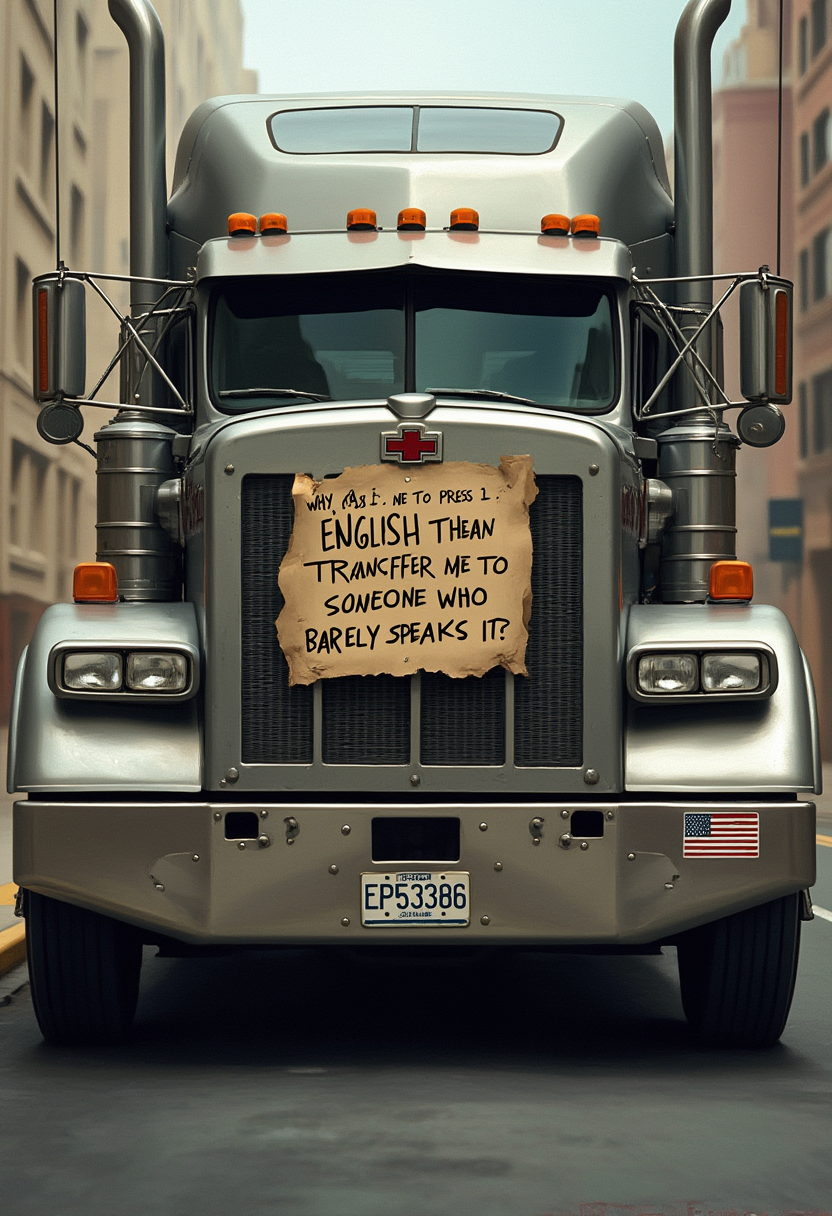
This image is a closeup view of the front of a large, silver semitruck. The truck is parked on a street with buildings on either side, and the perspective is taken from directly in front of the vehicle, looking up towards the cab. The truck has a prominent grille with a large, rectangular opening, and the grille is adorned with rivets and bolts, giving it a rugged and industrial appearance. The trucks headlights are prominent on either side of the grille, and they have a classic design with a clear lens and reflector. Above the headlights, there are four orange warning lights, which are likely for visibility during lowlight conditions.On the grille, there is a handwritten sign that reads, "WHY ASK ME TO PRESS 1 FOR ENGLISH, THEN TRANSFER ME TO SOMEONE WHO BARELY SPEAKS IT?" The sign is attached to the grille with duct tape and is written in black marker, which stands out against the silver background of the truck.The license plate of the truck is visible at the bottom of the image, and it reads EP55386. On the lower right corner of the license plate, there is a small American flag sticker, which adds a patriotic touch to the vehicle.The art style of the image is realistic with a touch of humor, as indicated by the handwritten sign on the truck. The medium appears to be a digital painting or illustration, given the smooth gradients and lack of texture. The colors in the image are primarily metallic grays and silvers, with the orange warning lights and the red, white, and blue of the American flag sticker providing pops of color. The overall mood of the image is one of frustration humorously conveyed through the sign on the truck.
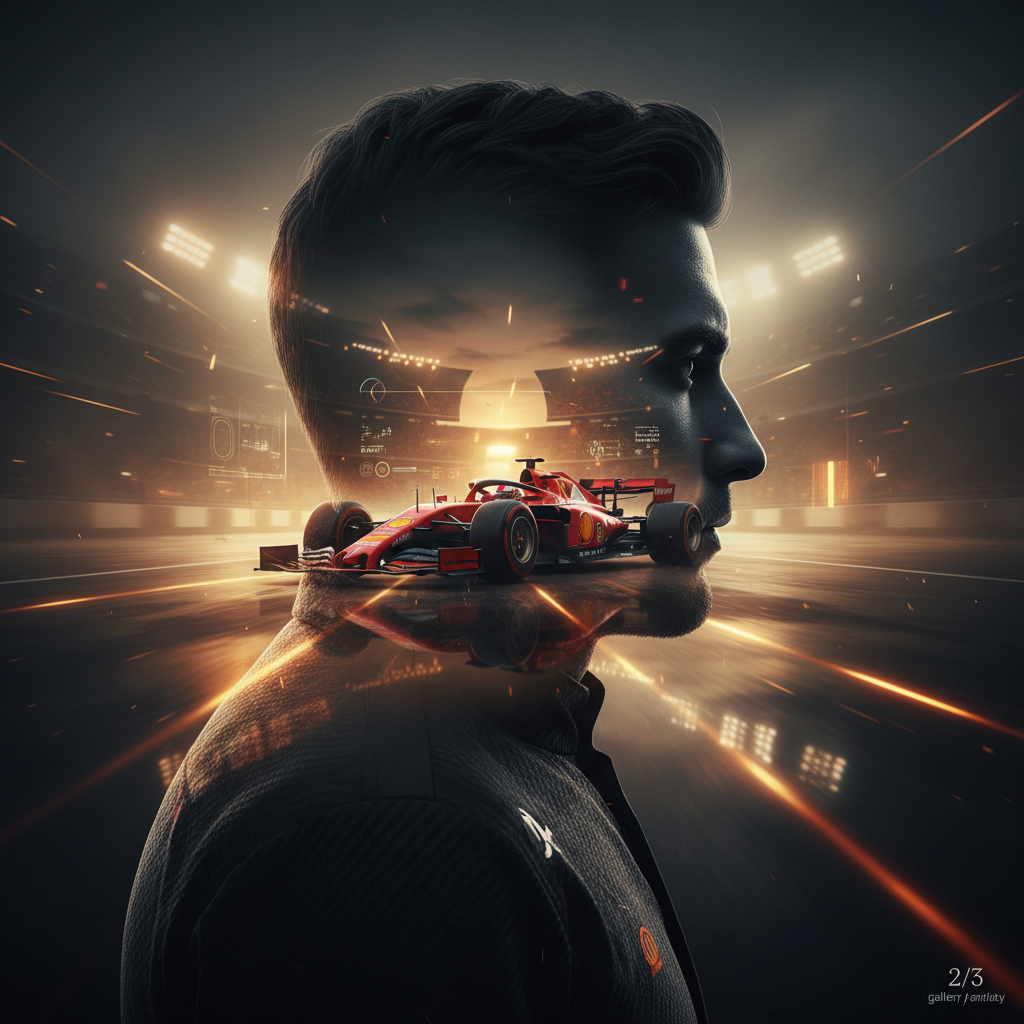
A breathtaking futuristic double exposure portrait of a legendary Formula 1 driver, their silhouette composited with the adrenaline world of Ferrari racing (Core Subject), created in a hybrid style of photorealism, surreal double exposure, and cinematic compositing (Style), rendered as a digital matte painting with hyper-detailed photoreal textures (Medium). The image embodies the emotion of legendary speed, precision, and Ferrari’s timeless legacy (Emotion), illuminated by warm cinematic stadium lighting with glowing reflections on wet asphalt (Lighting). The composition centers the silhouette as focal point, blending seamlessly into the racetrack within (Composition), with a vivid Ferrari Rosso Corsa red palette accented by warm amber and golden tones (Color Palette). Inside the silhouette, a classic Ferrari F1 car races at twilight, its motion blurred against jet-black carbon fiber textures and glowing telemetry HUD overlays (Background & Symbolism). Surfaces shimmer with glossy reflections, wet asphalt textures, and kinetic digital flare effects (Textures). The car is enhanced with subtle telemetry overlays, kinetic energy lines, and futuristic HUD markers (Material Innovation + Symbolism), reinforcing both heritage and innovation. The surrounding space dissolves into warm grey gradients and golden mist (Atmospheric Effects), avoiding cold tones to preserve vibrancy and depth. The scene captures a timeless motorsport tribute, bridging Ferrari’s historic past with a futuristic vision (Era). Shot with a cinematic Arri Alexa LF perspective, 85mm Zeiss Master Prime lens, shallow depth of field (Camera), the artwork radiates hyper-detailed surfaces, glowing Ferrari reds and yellows, photorealistic reflections, and a dynamic energy. Produced at 64K, 300 dpi, 2:3 ratio, gallery print ready, --no blur --no watermark (Quality & Negatives). --ar 2:3 --raw
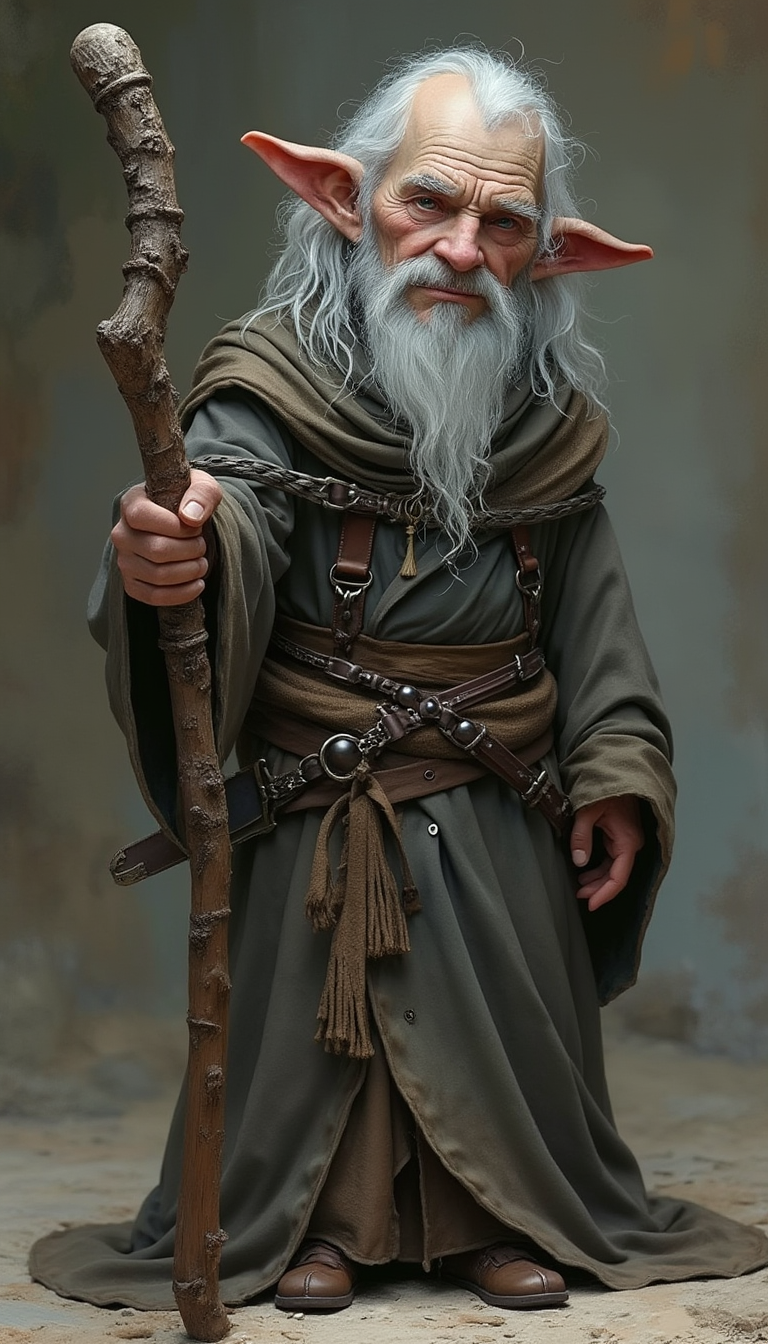
Short grey skinned halfling wizard
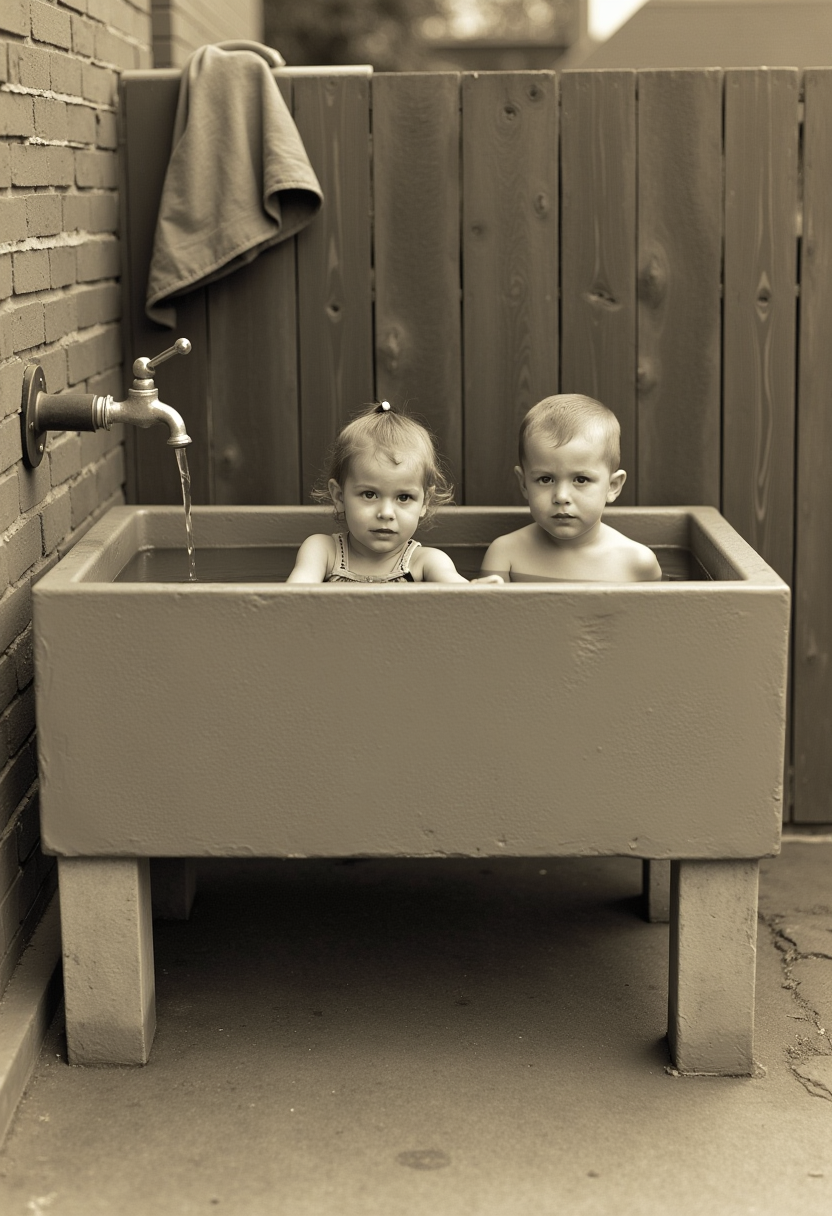
Sepia image of two children sitting in a large, rectangular concrete sink or trough filled with water. The sink is situated outdoors, against a brick wall and a wooden fence. the children are enjoying the water. The sink is elevated on concrete supports, and there is a faucet above it. There is also a cloth hanging on the fence nearby.
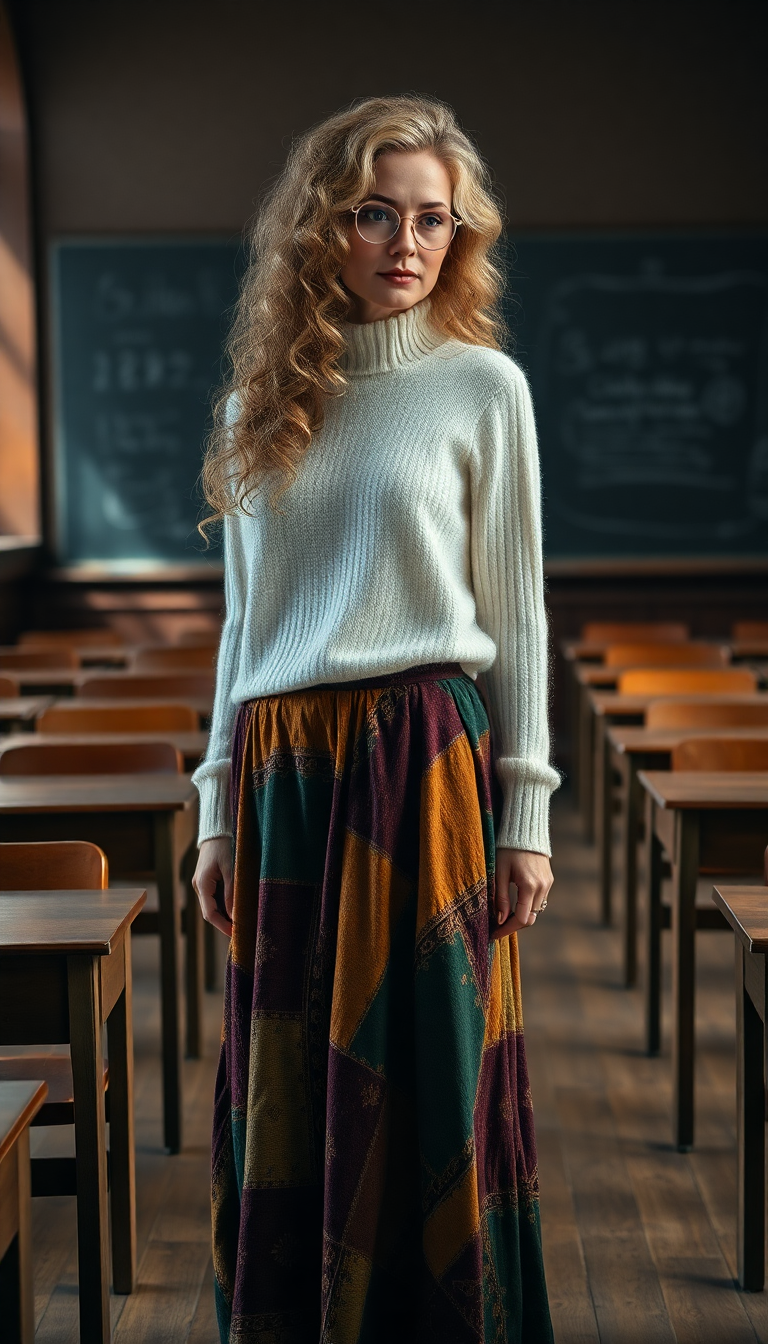
A breathtaking full-body portrait of a 59-year-old mature woman, standing with graceful poise in a traditional college classroom, surrounded by rows of polished wooden desks and a weathered chalkboard in the background, adorned with faint traces of chalk dust. Her dirty blonde hair cascades in delicate, intricate ringlets and curls, flowing down her back and framing her face with an angelic yet haunting elegance, each strand rendered with hyper-detailed texture, shimmering as it catches the soft, natural light streaming through tall, arched windows. She wears a vibrant gypsy-style skirt, a patchwork of rich, earthy tones—deep burgundy, forest green, and golden ochre—flowing with bohemian fluidity, the fabric's intricate patterns and subtle wear adding depth and character, paired with a soft white cashmere sweater that gently clings to her form, exuding warmth and refined sophistication. Slim, round wire-framed glasses rest delicately on her nose, enhancing her intellectual charm and complementing her enigmatic, thoughtful expression. In her hands, she cradles an oily iridescent black crystal pyramid, its surface gleaming with mesmerizing, shifting hues of violet, indigo, and emerald under the light, its sharp edges and mysterious aura adding an element of intrigue to the scene.

The composition centers her slightly off to one side of the frame, captured in a three-quarter view that accentuates her poised posture and the intricate details of her attire, shot from a low camera angle to emphasize her commanding yet approachable presence. The classroom behind her fades into a gentle blur, with desks and chalkboard details softened by a painterly depth of field and subtle bokeh effect, drawing focus to her figure. The mood is nostalgic and serene, bathed in the warm, diffused glow of late afternoon golden hour light, casting long, soft shadows across the wooden floor and highlighting the textures of her clothing and hair with a luminous, ethereal quality. The atmosphere evokes a timeless, introspective feeling, as if frozen in a quiet moment of reflection.

The style is hyper-realistic with influences of classical portraiture, inspired by the masterful works of John Singer Sargent, emphasizing photorealistic textures in the fabric folds, the intricate curls of her hair, and the reflective sheen of the crystal pyramid. The image showcases fine attention to detail, with a painterly rendering of light and shadow, a rich color palette, and a balanced interplay of sharp foreground focus against a dreamy, softly blurred background, creating a captivating and emotionally resonant portrait.
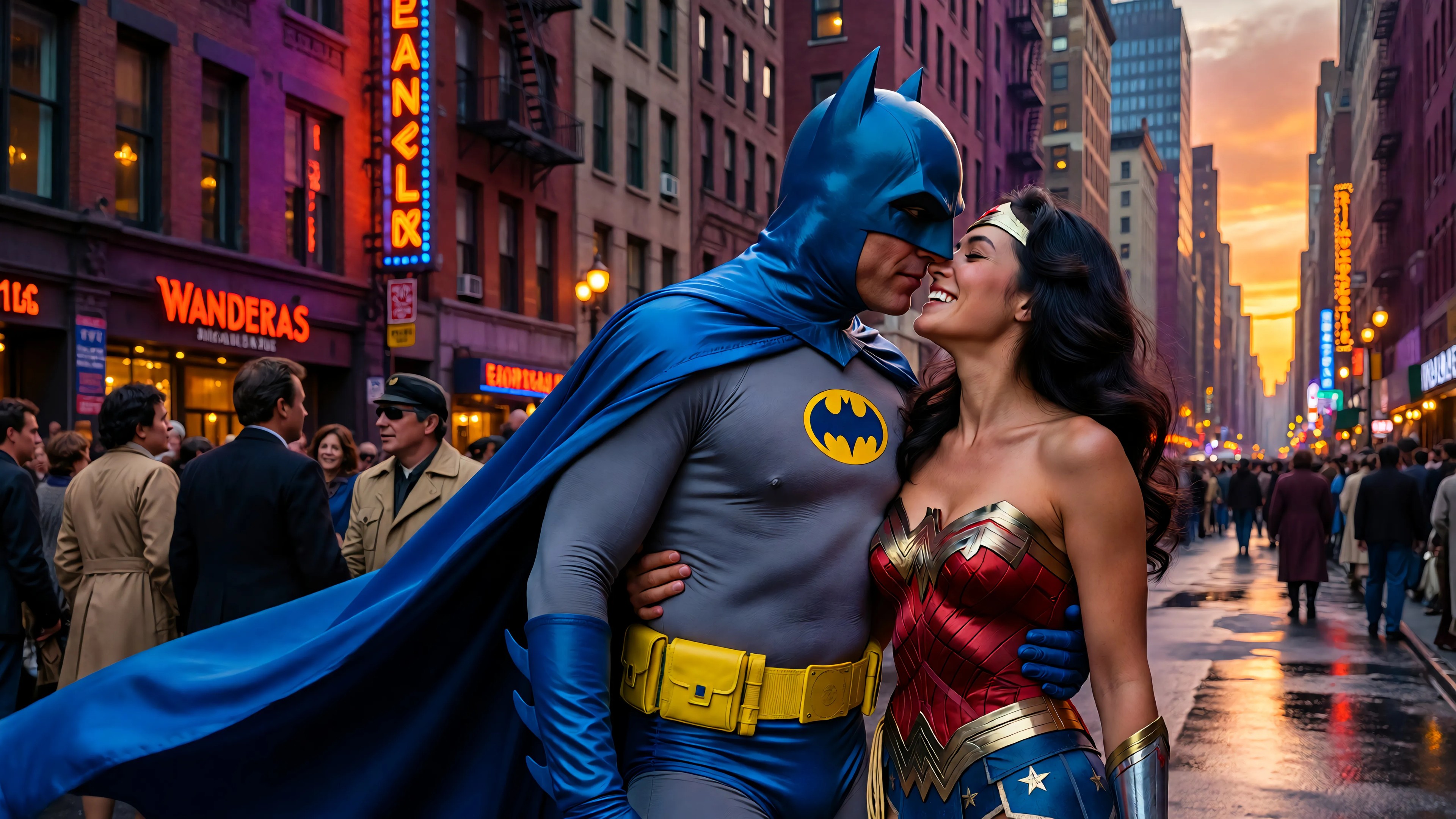
A highly detailed, photorealistic cinematic still from a 1970s superhero TV crossover episode, capturing Batman and Wonder Woman in a passionate embrace and kiss on a bustling Gotham City street at golden hour dusk. Batman, styled as Adam West with his iconic glossy blue bat-cowl featuring pointed ears and stark white eye lenses, blue cape flowing dramatically, form-fitting gray bodysuit with yellow oval Bat-symbol on chest, yellow utility belt with pouches, blue gloves and boots, muscular build, one arm wrapped firmly around Wonder Woman's bare back, the other hand gently on her shoulder, leaning in for the kiss. Wonder Woman, portrayed as Lynda Carter with long voluminous wavy raven-black hair cascading over shoulders, radiant blue eyes sparkling with joy, wide genuine smile with perfect white teeth, red star-embossed golden tiara, flawless porcelain skin, voluptuous figure in her classic costume: strapless red corset-style bustier adorned with intricate gold eagle emblem, matching red bottoms with white stars, wide gold power belt, bulging gold bullet-deflecting bracelets, red high-heeled boots with white stripes, blue star-spangled starfield skirt elements fluttering. She has both arms affectionately around Batman's neck, hands clasping behind his cowl, bodies pressed close in romantic tension. Background: narrow urban alleyway lined with towering Art Deco skyscrapers glowing in warm orange and purple twilight hues, yellow taxi cabs, wet pavement reflecting neon signs and streetlights, diverse 1970s crowd of onlookers including a man with shaggy brown hair and sideburns in tan leather jacket, another with glasses and afro, elderly man, young boy, women in flowy dresses, all blurred in shallow depth of field, dramatic volumetric lighting with lens flares, high contrast shadows, vibrant saturated colors—deep blues and grays for Batman, fiery reds and golds for Wonder Woman, cinematic 35mm film grain, ultra-high resolution, professional photography style, epic romantic superhero moment.
Charcoal style, 

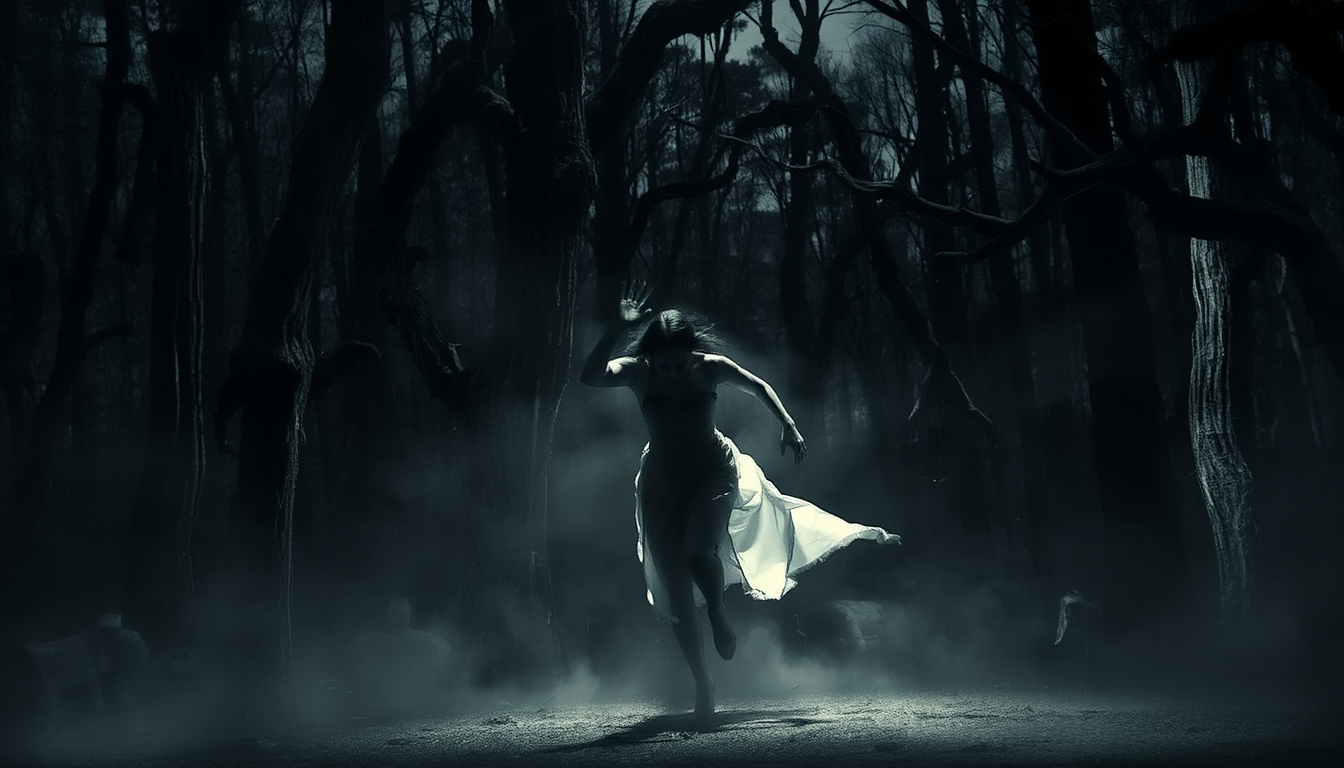
A frightened semi-naked Snowwhite wearing a torn and shredded fairy tale dress — long, flowing, with puffed sleeves and a high collar — runs frantically through a nightmarish forest at twilight. The gnarled trees loom tall and twisted, their bark forming sinister, contorted faces with hollow eyes and screaming mouths. Long, branch-like limbs stretch toward her like claws, some mid-swing, as if about to grab her. The forest appears alive — hungry and malevolent. Harsh, modern horror film lighting cuts across the scene, casting deep shadows and spotlighting her desperate movement. Fog swirls at her feet, and motion blur trails behind her to capture the urgency. The atmosphere is surreal and claustrophobic, as if she’s trapped inside a dark, living nightmare.
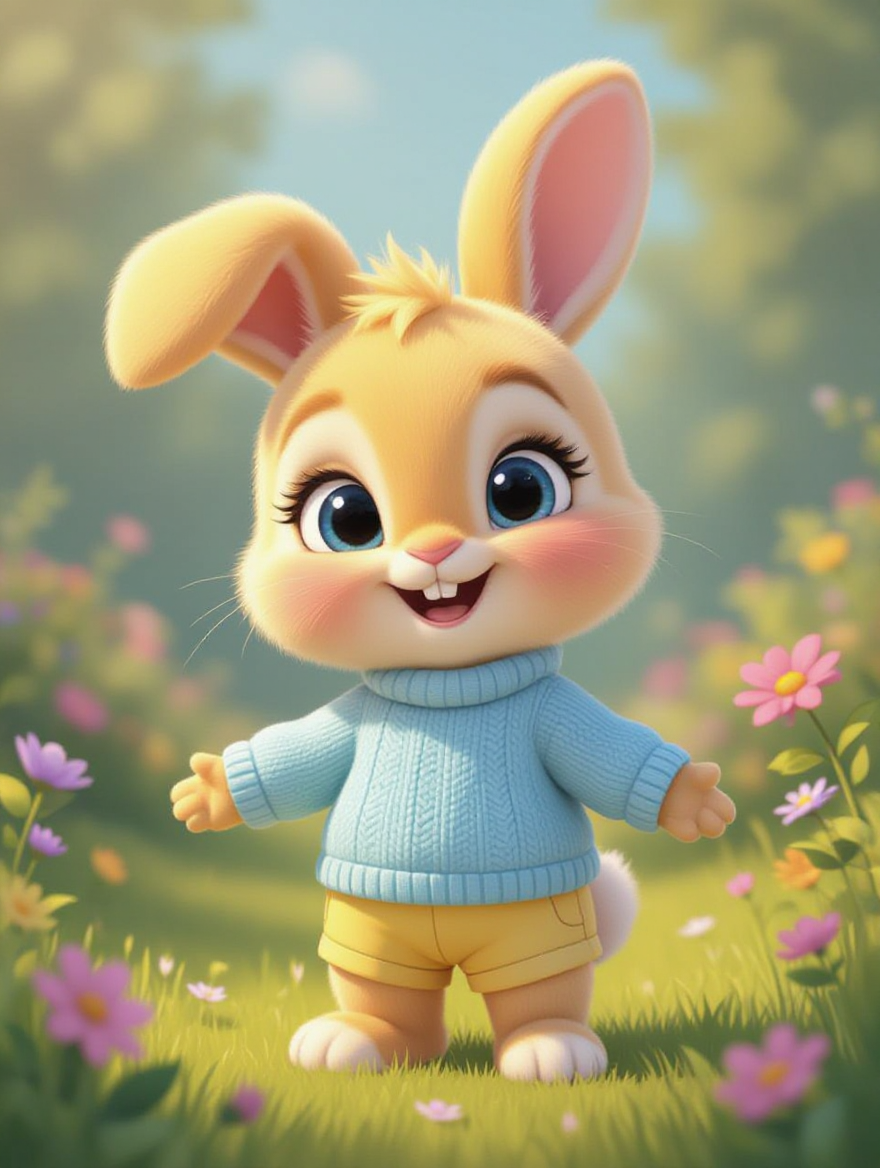
A cheerful and friendly cartoon bunny character named Sunny Bunny, designed for toddlers aged 1-3, depicted as a  pastel yellow tailess baby rabbit with a very velvety texture. Sunny Bunny has large, expressive, sparkling blue eyes full of warmth and curiosity, a bright, welcoming smile, and one ear slightly playfully tipping down for added charm. The character wears a cozy, light blue sweater with a subtle knit pattern and soft, pastel yellow shorts, enhancing the cuddly and approachable look. Rendered in a vibrant, colorful 2D cartoon style with smooth gradients and rounded shapes reminiscent of classic children’s animation, the image captures Sunny Bunny in a dynamic, playful pose—with arms up and outstretched, exuding energy and kindness. The composition centers Sunny Bunny against a white background. The lighting is bright and warm, mimicking a sunny morning around the character to emphasize a safe, joyful mood. The camera angle is slightly low, looking up at Sunny Bunny to make the character appear friendly and inviting to young viewers, framed in a wide shot. This design is tailored as the perfect mascot for a children’s educational YouTube Kids channel, radiating curiosity and kindness.
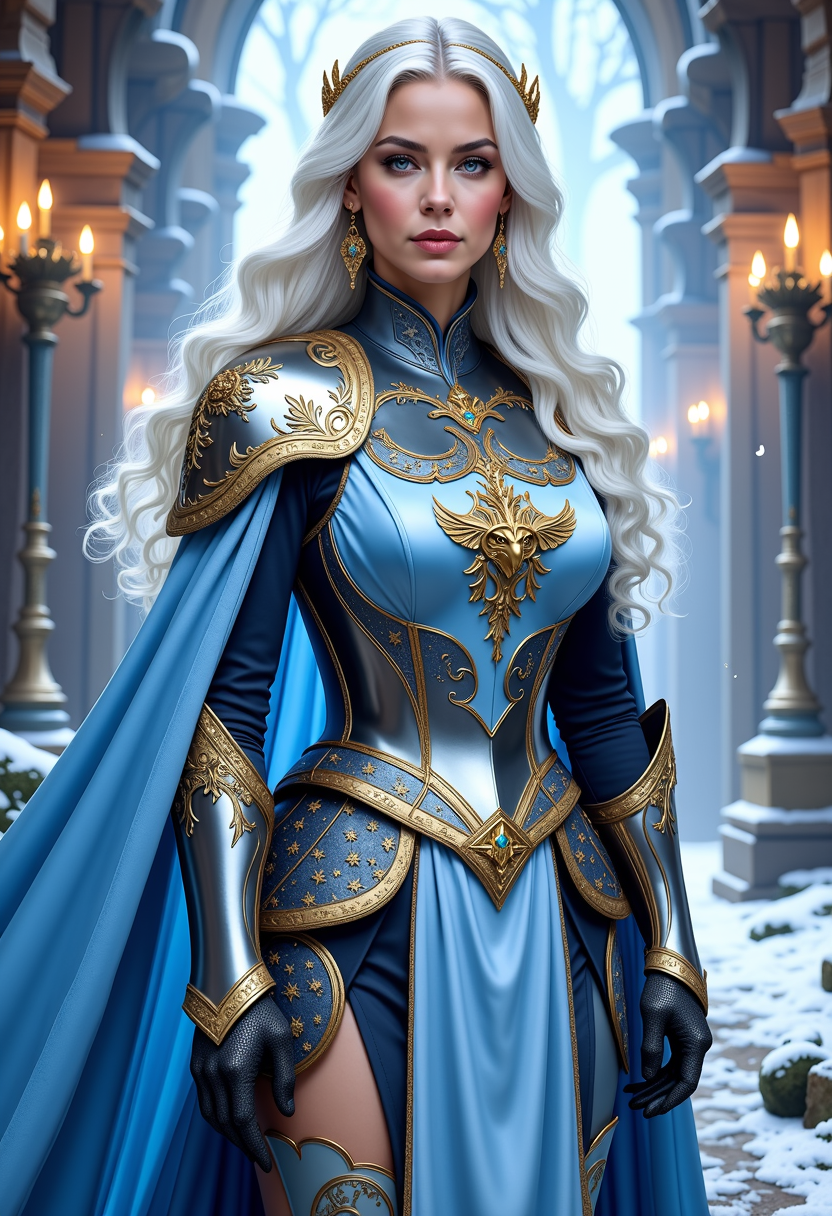
Leandra (The Brave) (her face looks like Jennifer Lopez),  with the full title Sera Maestra Leandra de Girancourt, also known as the White Queen, Daughter of the Gods, Redeemer of Worlds, Daughter of the Dragon, Paladin of Light and Conqueror of Darkness, is the Queen of Illian. She is sword-bound to the spellsword Stoneheart. Leandra is also the friend and rider of Steinwolke, a king's griffon. She is beautiful. She has violet eyes and long wavy white hair. Wearing a light blue armor,
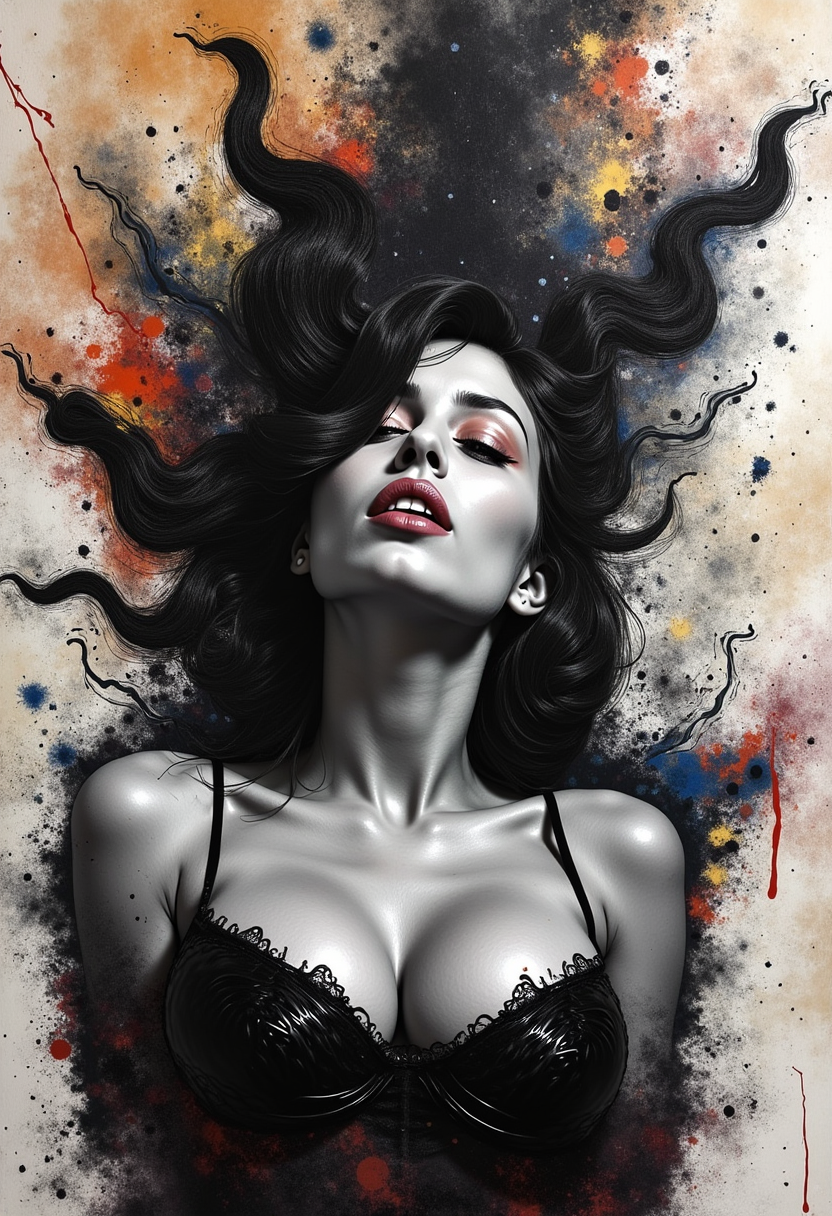
justthetits, An **expressive blend** of **seductive female figurative** and **abstract elements**:

- **Subject:** A woman, portrayed with dynamic and emotive expressions, her features merging seamlessly into abstract forms. 
- **Style:** Abstract Expressionism, incorporating elements of Figurative Art, Graffiti Art, and Surrealism for a unique, emotive piece. 
- **Color Palette:** Monochromatic, with shades ranging from deep blacks to stark whites, occasionally punctuated with splashes of bold colors like reds or blues, evoking graffiti's vibrancy.
- **Brushstrokes:** Thick, textured, and visibly expressive, conveying movement and emotion through the physicality of paint application. 
- **Composition:** The figure is centrally positioned, with abstract elements swirling around her, creating a sense of chaos and order. The camera angle is slightly low, giving a sense of dominance and power to the figure.
- **Lighting:** Dramatic chiaroscuro lighting enhances the texture and depth, with harsh contrasts between light and shadow to emphasize the emotional intensity.
- **Mood and Atmosphere:** The scene conveys a sense of raw emotion, with an atmosphere that feels both chaotic and controlled, embodying the turbulent inner world of the subject. 
- **Technical Aspects:** Use of impasto for texture, sfumato for soft transitions in abstract elements, and gestural mark-making to suggest graffiti influences. 

This prompt aims to create a **unique and emotive piece** that captures the essence of **Abstract Expressionism, Figurative Art, Graffiti Art, and Surrealism**, all harmoniously integrated to form a visually compelling and emotionally charged artwork.
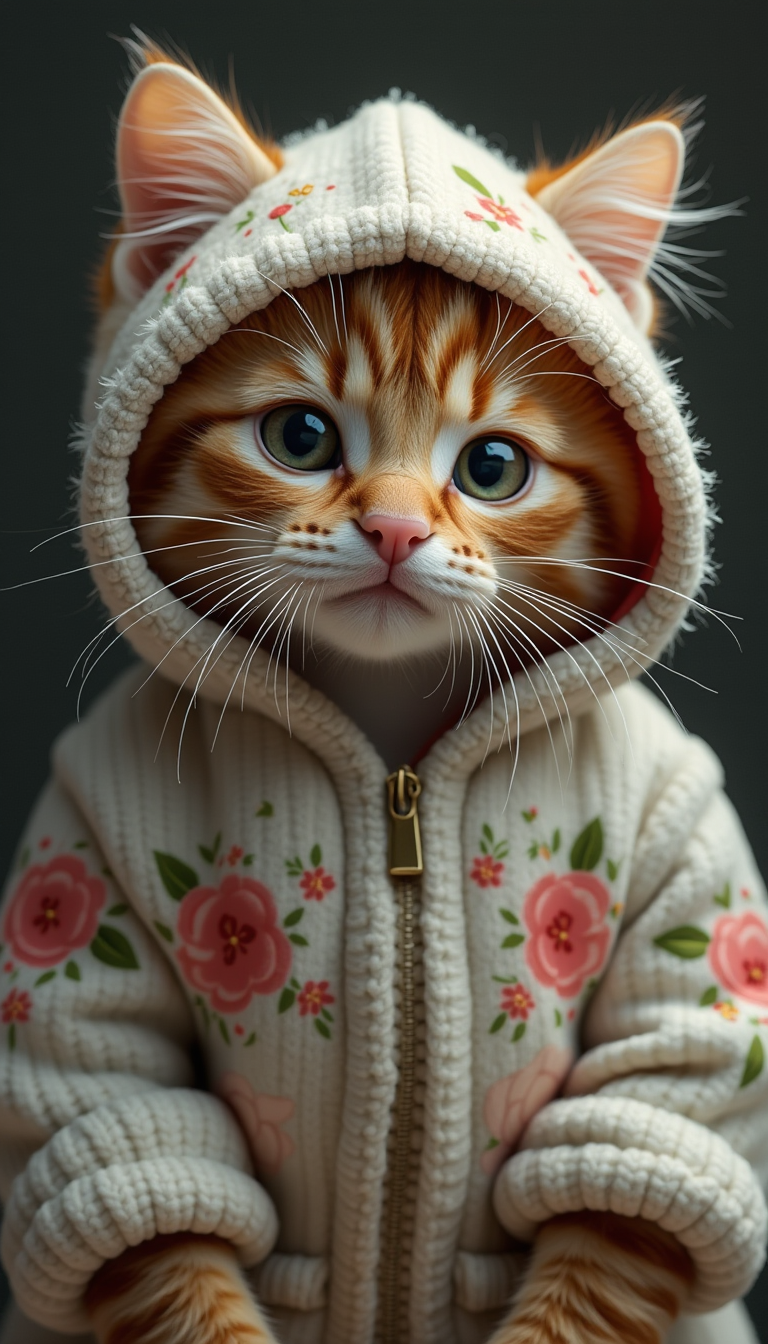
cute realistic cat wearing embellished hoodie with flowers, grainy film, analog kodak photo 4k, realistic cat fur, realistic fur texture
AI-generated image

Start Creating MiniMax H3 vs WAN Videos Today

40+ cutting edge AI tools, loved by thousands of creators worldwide, cancel anytime, try it today

The Pixel Dojo Advantage

Why PixelDojo outperforms other options for MiniMax H3 vs WAN AI video and image generation

OthersPixel Dojo
Traditional video productionSkip expensive crews, studios, and weeks of editing—generate professional multimodal videos with audio, references, and precise control in minutes using MiniMax H3 and WAN tools, then polish with built-in editors and upscalers for a fraction of the cost and time.
Generic AI toolsAccess specialized top-tier models like MiniMax H3 for 2K stereo excellence and full WAN 2.7/2.6 suite for instruction editing and multi-image mastery in one unified platform, plus 40+ complementary tools for characters, upscaling, and seamless workflows that generic single-model sites can't match.
Manual photo and video editingAutomate complex motion, consistency, audio sync, and style application that take hours manually. Achieve brand-perfect results with natural language instructions and references, then enhance further—empowering you to produce more content, test ideas faster, and scale campaigns effortlessly.

Loved by creators on PixelDojo

Real feedback from people using PixelDojo, pulled from our in-product surveys.

very easy to use and good support
Verified PixelDojo creator
Very easy to use
Verified PixelDojo creator
super easy to use
Verified PixelDojo creator
it's very easy to use
Verified PixelDojo creator
Practically every Ai suite in one place? Who wouldn't?
Verified PixelDojo creator
versatile menu of tools
Verified PixelDojo creator

Common Questions

Everything you need to know about minimax h3 vs wan

What are the key differences in MiniMax H3 vs WAN for AI video generation on PixelDojo?

MiniMax H3 excels as a unified multimodal model handling text, images, video, and audio inputs to output up to 15-second 2K videos with native stereo sound, superior instruction following, text/brand rendering, and in-context editing—ideal for complex commercial ads, product demos, and storytelling. WAN 2.7 and WAN 2.6 deliver enhanced motion smoothness, 1080p (with higher options in workflows), first-and-last frame control, multi-image/9-grid references, instruction-based video editing, character/voice consistency, and strong audio sync—perfect for cinematic sequences, social content, and precise recreations. On PixelDojo you can switch between them freely, combine with WAN Image for starters, and enhance either with the full suite for the best of both worlds.

How can I create consistent characters using MiniMax H3 vs WAN tools?

Upload reference images or clips to MiniMax H3 for multi-asset context understanding that locks identity, motion, and voice across generations. For WAN, use WAN Reference to Video, WAN 2.7 character referencing, or combined subject/voice inputs to maintain appearance and audio. Pair either with PixelDojo’s Consistent Characters, Character Sheets, Ideogram Character, Face Swap, LoRA Face Swap, or Kling/WAN Video Character Swap tools. Then refine with editing features to produce series, avatars, or branded content that stays on-model every time.

What resolutions and durations can I achieve with MiniMax H3 and WAN on PixelDojo?

MiniMax H3 supports up to 2K resolution videos lasting up to 15 seconds with native stereo audio. WAN 2.7 and related models offer 720p/1080p (and higher via upscalers) clips from 2-15 seconds with excellent motion and optional audio guidance or generation. After generation, apply P-Image Upscale, Magnific Upscaler, Creative Upscaler, Clarity Pro, Portrait Upscaler, or Video Upscaler to push quality even further for print, web, or professional delivery.

Can I edit videos generated by MiniMax H3 or WAN models easily?

Absolutely. Use WAN 2.7 Video Edit for natural language instruction-based changes like style transfers, scene modifications, or element swaps while preserving or regenerating audio. MiniMax H3 supports precise multimodal editing and in-context regeneration. Complement with PixelDojo’s Runway Aleph, Grok Video Edit, Kling Video Edit, Happy Horse Video Edit, Seedance 2 Video Edit, Video Reframe, Merge Videos, Extract Frame, Video Autocaption, and Video Analyzer. Finish with lighting, outpainting, or background tools for complete control.

Is MiniMax H3 vs WAN suitable for commercial marketing and e-commerce videos?

Yes—both are built for production-ready commercial use. MiniMax H3 shines in advertising, branding, e-commerce, product design, and accurate text/brand rendering with strong instruction following. WAN 2.7 excels in high-fidelity marketing clips, multi-shot storytelling, color control, and reference-driven product consistency. On PixelDojo, generate, customize with Marketing Studio, add virtual try-ons or avatars, upscale, caption, and export watermark-free assets ready for campaigns. Thousands of creators already use these for high-converting content.

How does PixelDojo make MiniMax H3 vs WAN better than using them elsewhere?

PixelDojo unifies MiniMax H3, the full WAN lineup (2.7 Video, 2.6, Image, Spicy variants, Reference, Edit), plus 40+ tools for images (Flux, Ideogram, Seedream, etc.), video extras (VEO, Kling, Luma, Hailuo), editing, upscaling, characters, 3D, audio, and training—all in one seamless interface with simple credits. Enjoy consistent workflows, easy iteration, risk-free cancel-anytime access, and community-loved reliability. No need for multiple subscriptions or complex setups; just create outstanding results faster and more affordably.

What techniques work best for prompting MiniMax H3 vs WAN image-to-video?

Be descriptive and relational: for MiniMax H3 specify how inputs connect (e.g., 'apply Hitchcock zoom from video ref to the product in image while matching audio emotion'). For WAN emphasize motion, camera language, first/last frames, and multi-image grids. Include style, lighting, pacing, and negative prompts. Start with strong base images from WAN Image, Flux.2 Studio, or Ideogram on PixelDojo, then animate. Test short clips, refine with edits, and upscale winners for maximum impact.

Do I need technical skills to use MiniMax H3 and WAN on PixelDojo?

Not at all. The intuitive interface lets anyone describe ideas in plain language, upload references, and generate. Advanced users can dive into multi-asset control, training custom models with WAN 2.2 Trainer or others, or API access, but beginners achieve pro results immediately. Guided steps, previews, and one-click enhancements remove friction so you focus on creative outcomes and business results.

Ready to create amazing MiniMax H3 vs WAN videos?

Ready to Create Amazing minimax h3 vs wan Images?

Join thousands of creators using AI to bring their ideas to life