qwen image 2.0 vs qwen image 2512
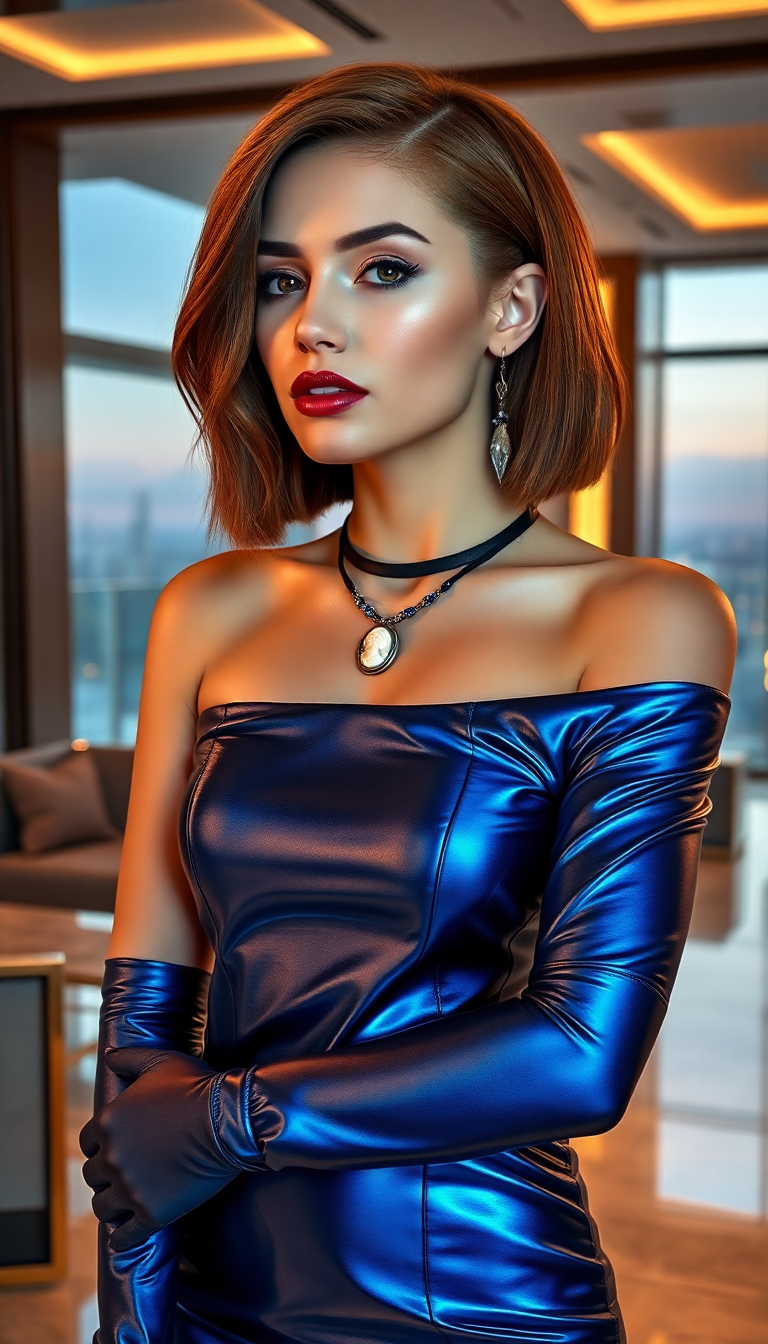
Choosing the right AI image generation model can significantly impact the quality and efficiency of your creative projects. In this comparison, we delve into the distinctions between Qwen Image 2.0 and Qwen Image 2512, highlighting how each model can cater to your specific needs.
Trusted by thousands of creators worldwide, PixelDojo's AI tools have generated over 1 million images, empowering artists and designers to bring their visions to life effortlessly.
Why Choose Pixel Dojo for qwen image 2.0 vs qwen image 2512
Professional-quality results with cutting-edge AI technology
Enhanced Text Rendering
Achieve precise and legible text within images, perfect for posters, infographics, and multilingual layouts.
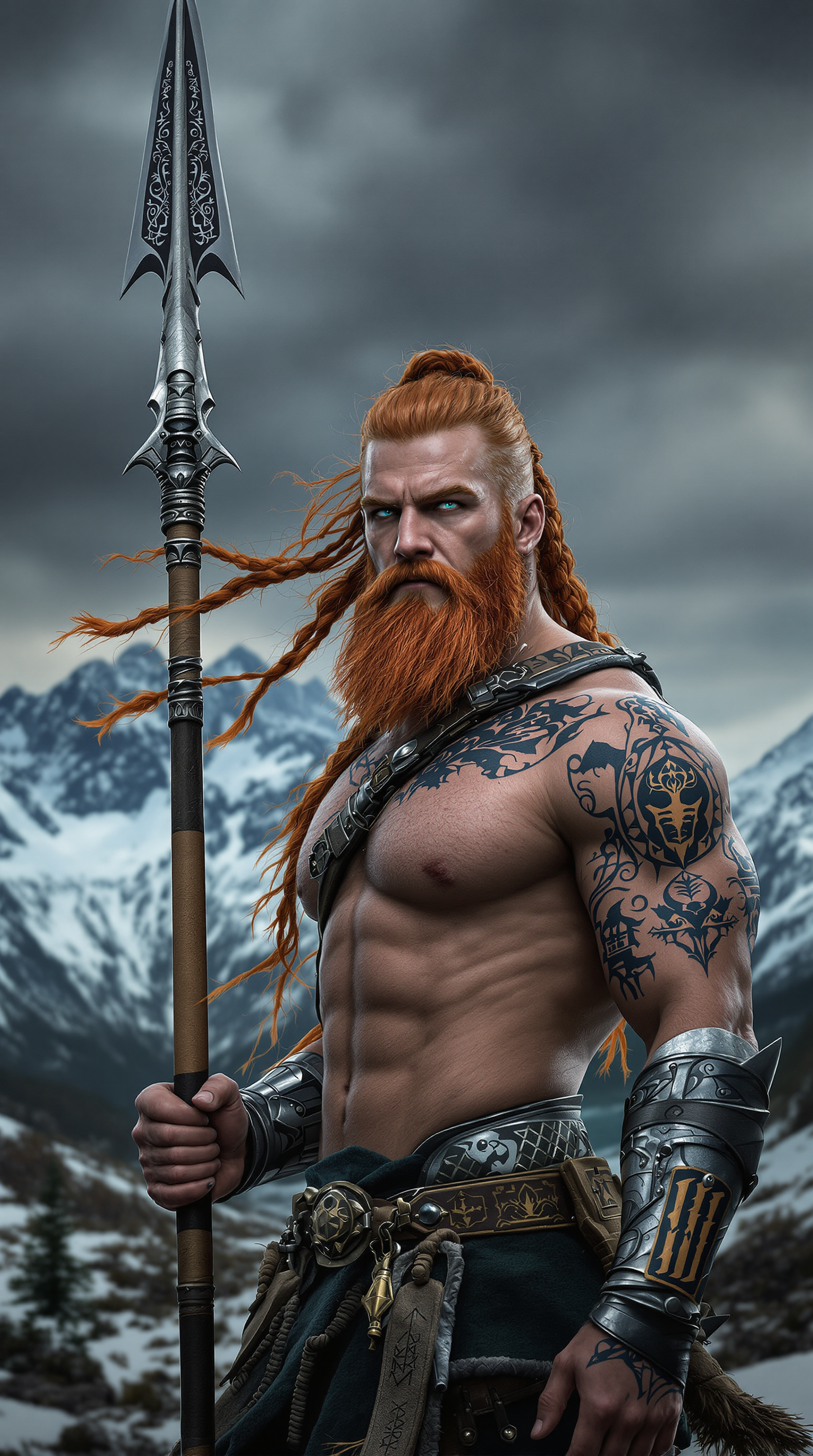
Superior Human Realism
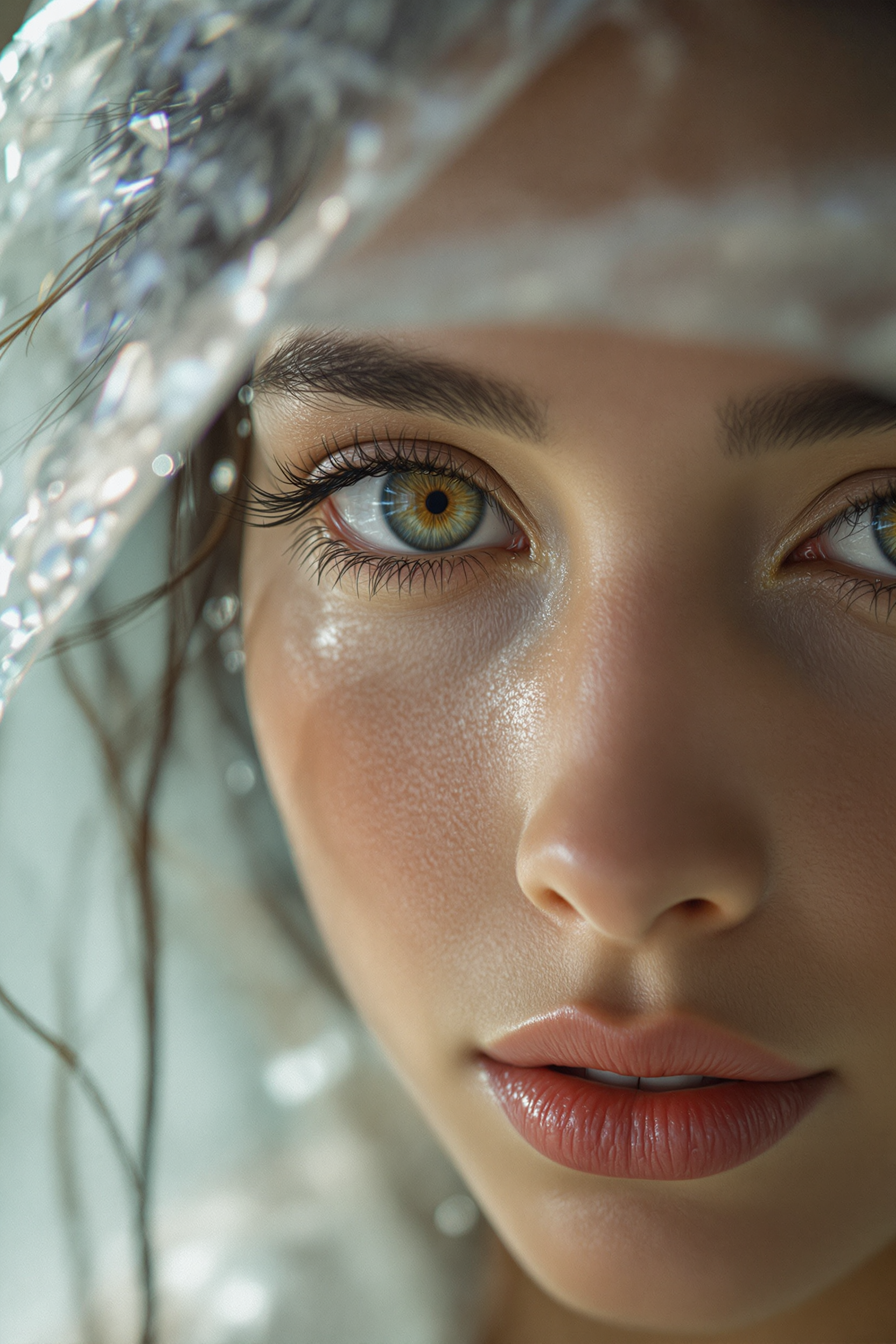
Generate lifelike human portraits with natural skin textures and authentic expressions, reducing the 'AI-generated' look.
Finer Natural Details
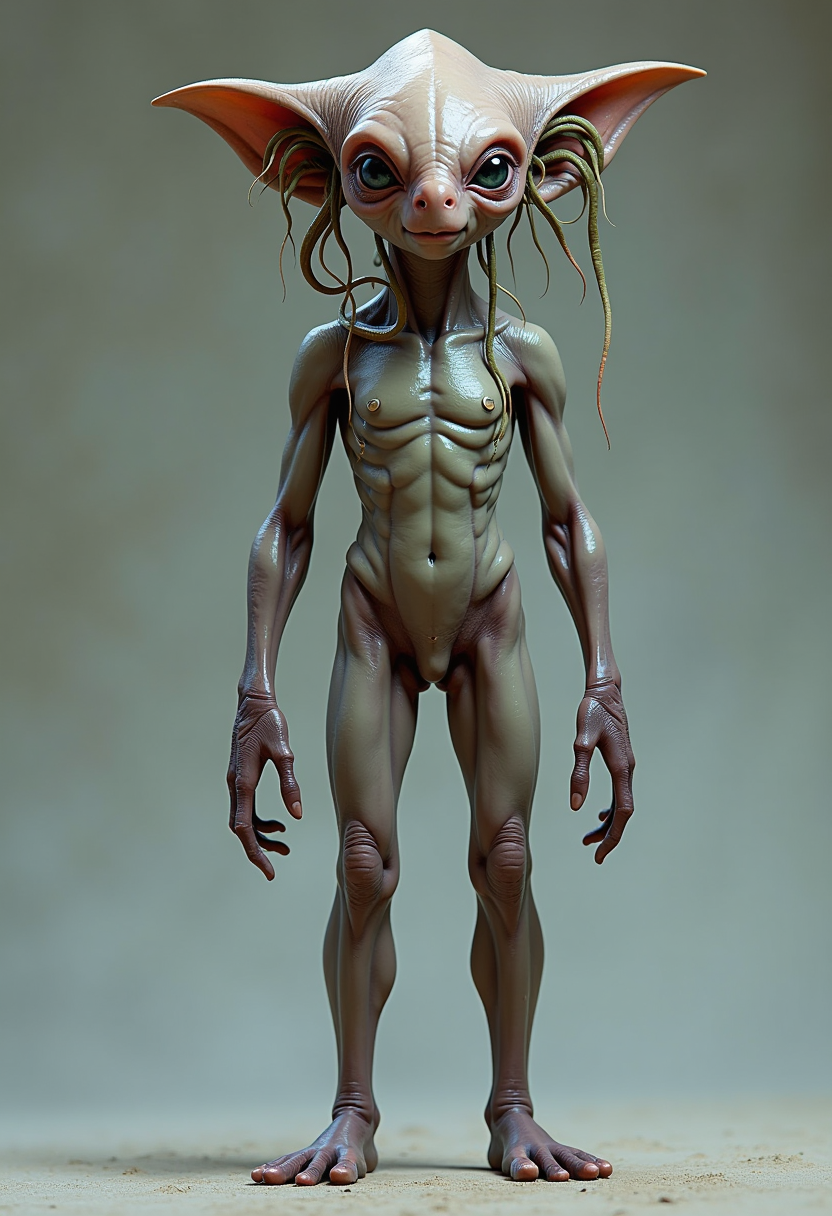
Render intricate details in landscapes, animal fur, and organic textures, bringing your scenes to life with unparalleled realism.
How It Works
Creating stunning images with PixelDojo's AI tools is a straightforward process. Follow these steps to bring your ideas to life:
Step 1: Select Your Preferred Model
Choose between Qwen Image 2.0 and Qwen Image 2512 based on your project's requirements for text rendering, realism, and detail.
Step 2: Input Your Creative Prompt
Enter a detailed description of the image you wish to generate, specifying elements like composition, lighting, and style.
Step 3: Generate and Refine Your Image
Click 'Generate' to create your image. Use editing tools to make adjustments, ensuring the final output aligns with your vision.


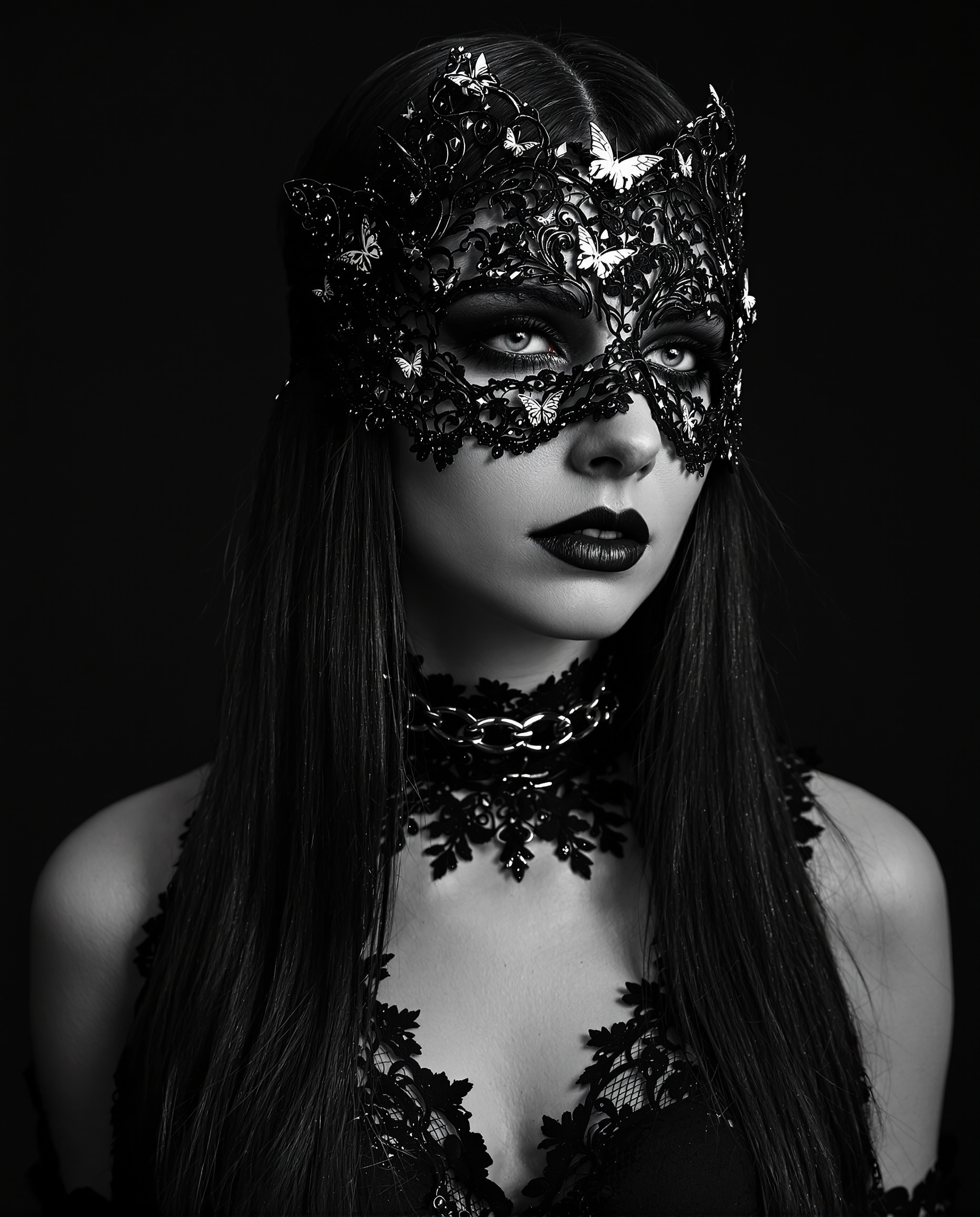
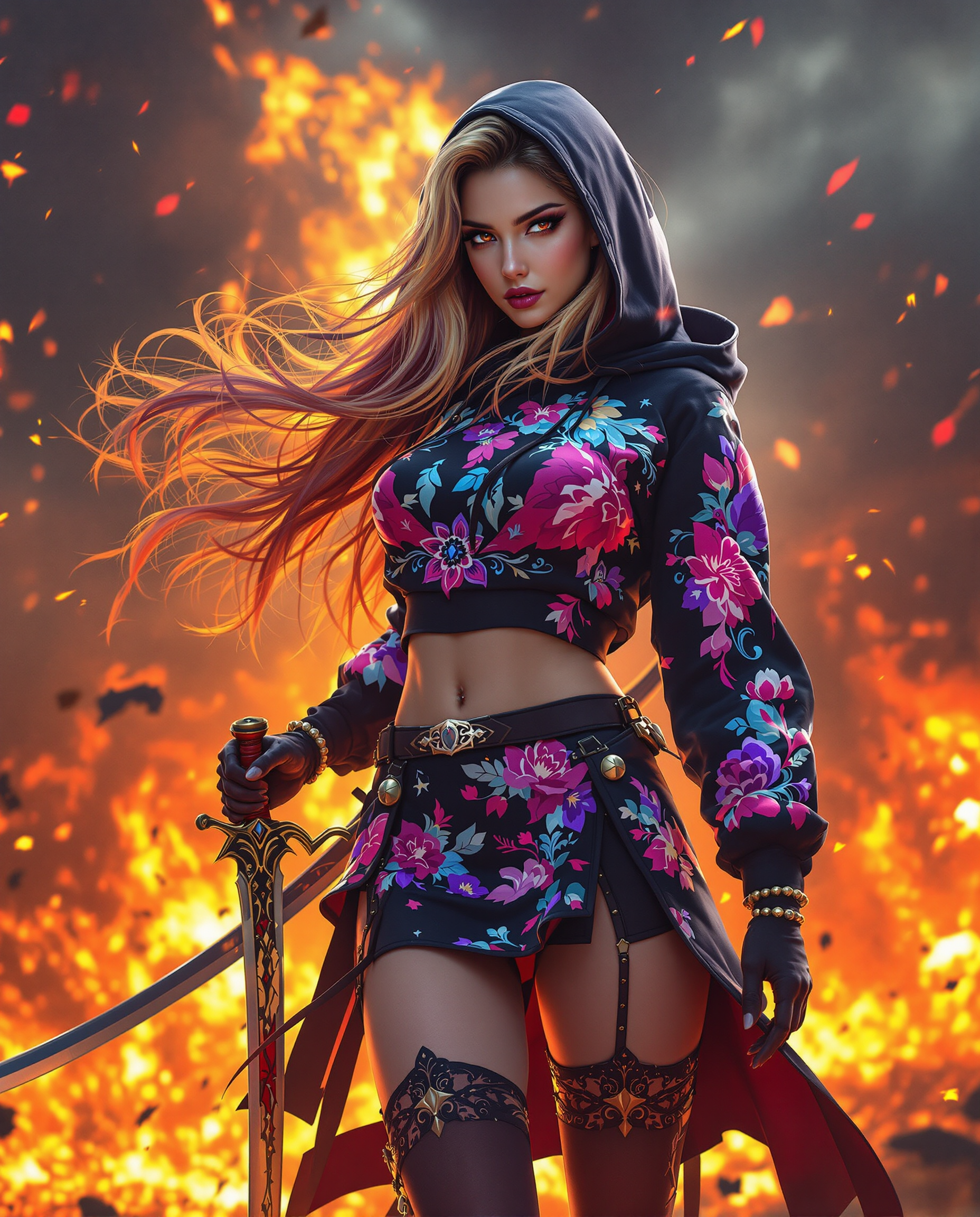

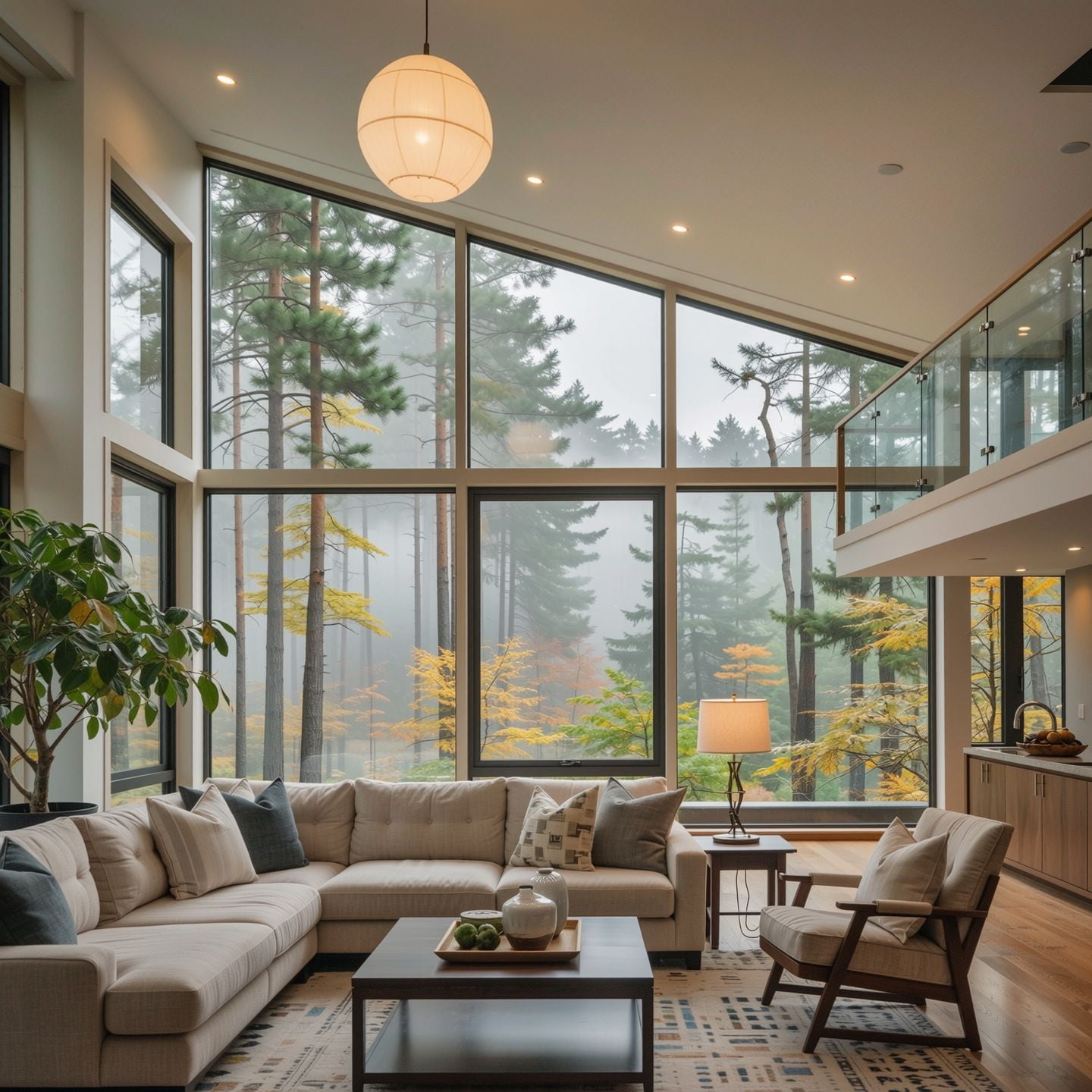

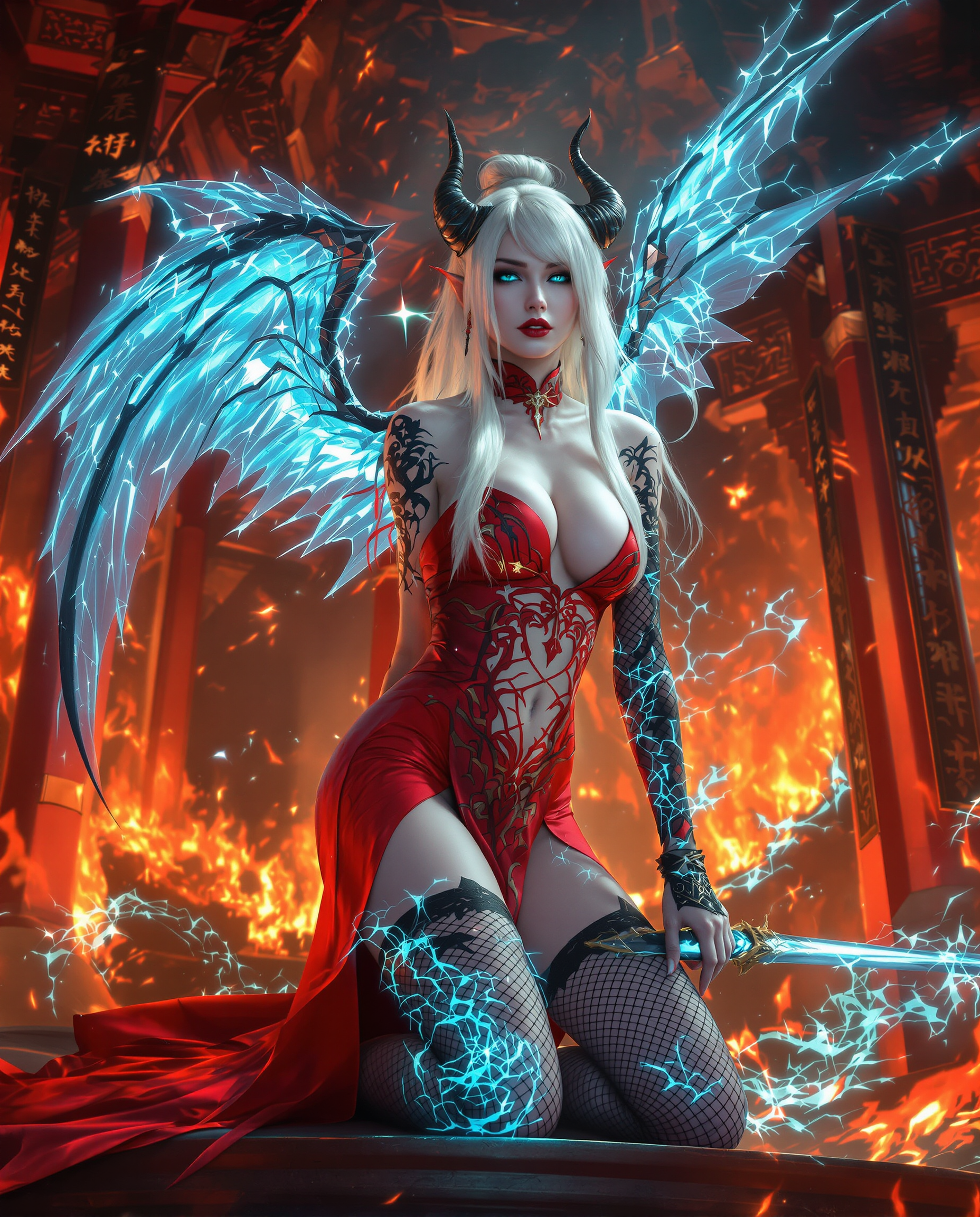
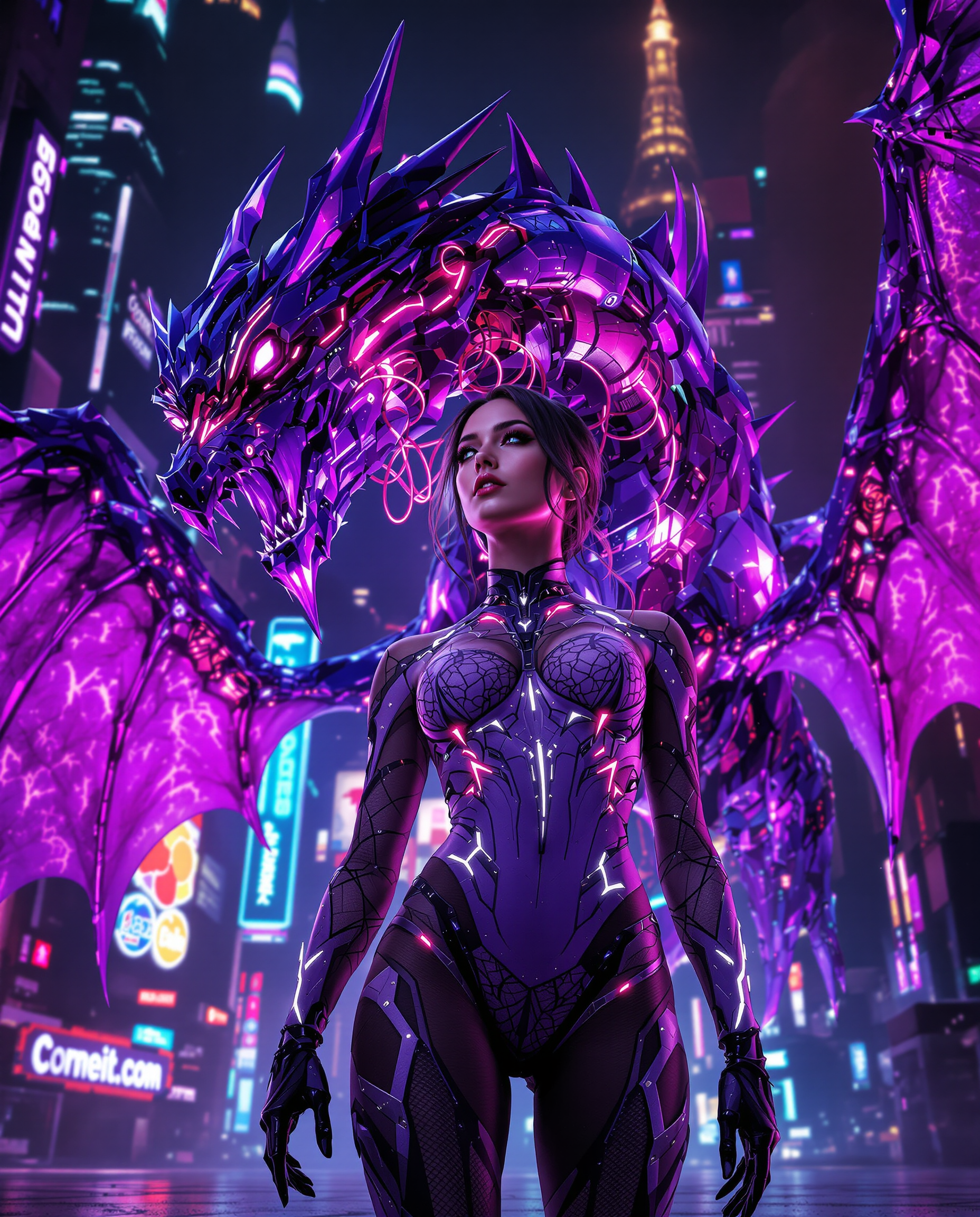
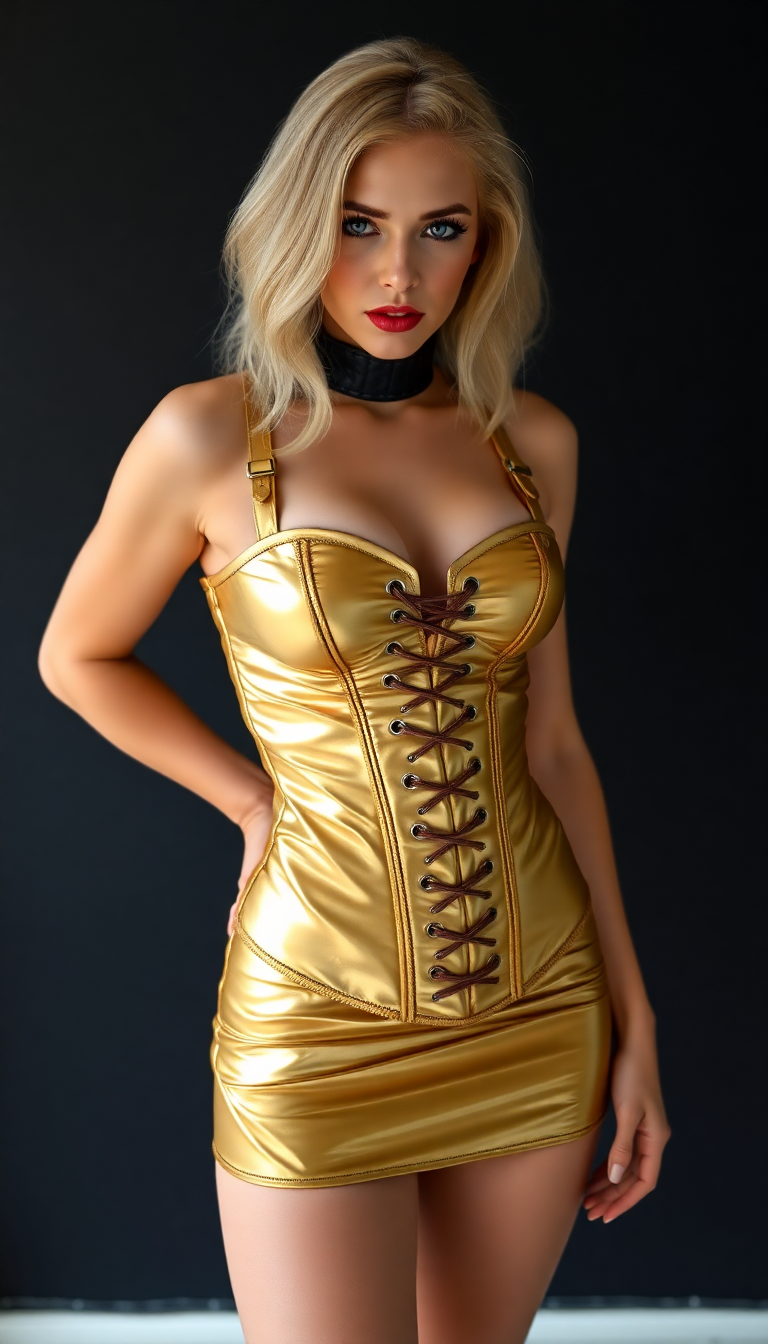
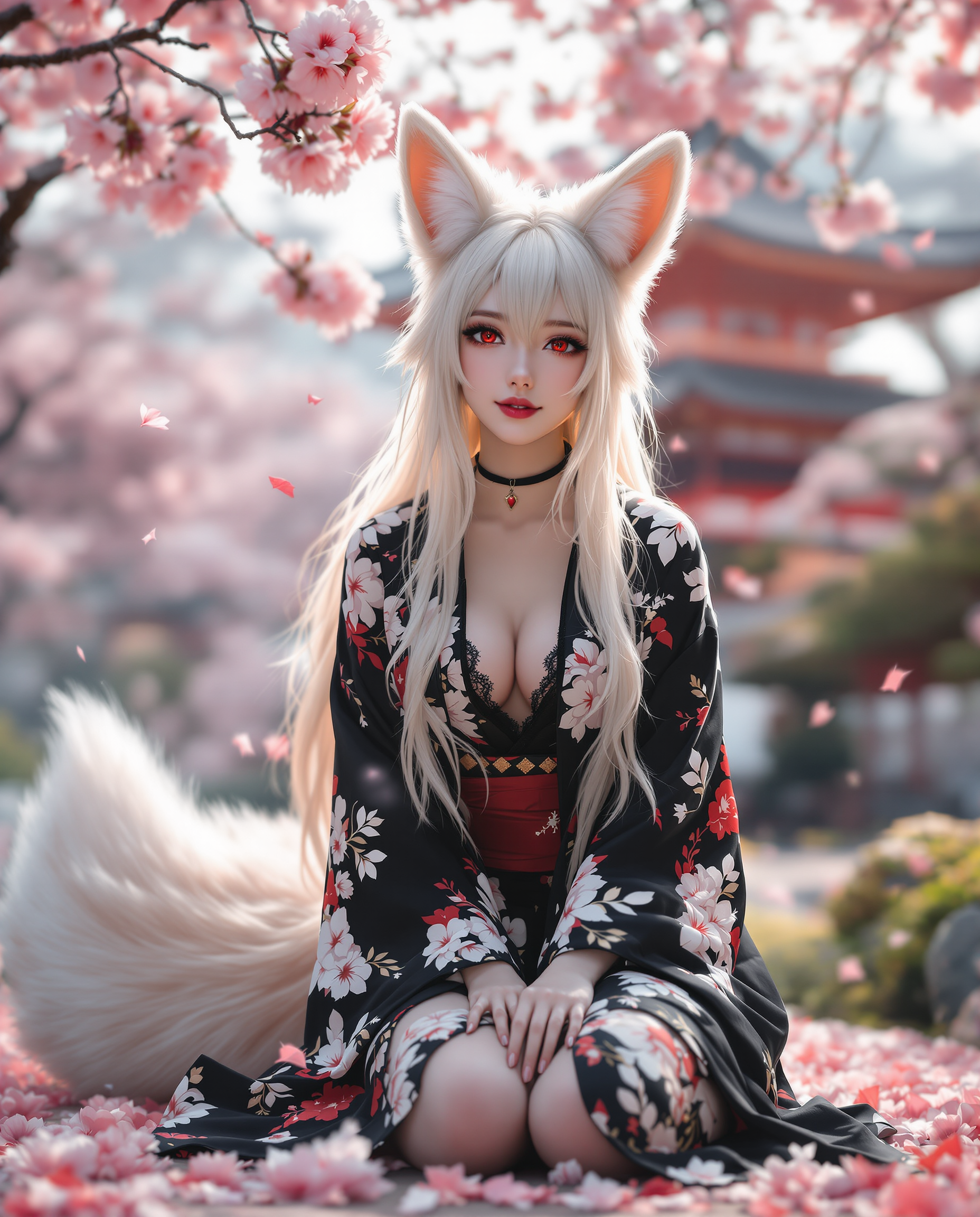
The Pixel Dojo Advantage
Understanding the differences between Qwen Image 2.0 and Qwen Image 2512 can help you choose the model that best fits your creative needs.
| Others | Pixel Dojo |
|---|---|
| Qwen Image 2.0 | Offers professional text rendering, native 2K resolution, and unified generation and editing capabilities, making it ideal for projects requiring high-resolution images with complex text layouts. |
| Qwen Image 2512 | Excels in human realism, finer natural details, and improved text rendering, suitable for creating lifelike portraits and detailed natural scenes. |
Loved by creators on PixelDojo
Real feedback from people using PixelDojo, pulled from our in-product surveys.
I love this app
It has all the tools I can think of...
deployment rate of splendid features is incredible. Legend
large selection of tools on one platform
the amount you can do on this site
all in one place
Explore more AI tools on PixelDojo
AI Tools
Compare & Switch
- Best AI Image Generators
- Best AI Video Generators
- Midjourney Alternatives
- Civitai Alternatives
- Runway Alternatives
- Leonardo Alternatives
- Pika Alternatives
- Luma Alternatives
- Magnific Alternatives
- Veo Alternatives
- Flux Alternatives
- Freepik Alternatives
- Seedance Alternatives
- Seedream Alternatives
- Pixverse Alternatives
- GPT Image Alternatives
- Synthesia Alternatives
- Playground Alternatives
- NightCafe Alternatives
- Canva AI Alternatives
- ElevenLabs Alternatives
- ComfyUI Alternatives
- Fal Alternatives
- Replicate Alternatives
Common Questions
Everything you need to know about qwen image 2.0 vs qwen image 2512
What are the main differences between Qwen Image 2.0 and Qwen Image 2512?
Qwen Image 2.0 focuses on professional text rendering, native 2K resolution, and unified generation and editing capabilities. In contrast, Qwen Image 2512 emphasizes enhanced human realism, finer natural details, and improved text rendering, making it suitable for lifelike portraits and detailed natural scenes.
Which model should I choose for projects requiring complex text layouts?
For projects that involve intricate text layouts, such as infographics or multilingual content, Qwen Image 2.0 is the preferred choice due to its advanced text rendering capabilities.
Is Qwen Image 2512 better for creating realistic human portraits?
Yes, Qwen Image 2512 is designed to produce lifelike human portraits with natural skin textures and authentic expressions, reducing the 'AI-generated' appearance.
Can I edit images generated by these models?
Absolutely. Both models support image editing, allowing you to refine and adjust generated images to meet your specific requirements.
Are these models suitable for commercial use?
Yes, both Qwen Image 2.0 and Qwen Image 2512 are released under the Apache 2.0 license, permitting commercial use. Please refer to the official license documentation for full details.
What hardware is required to run these models?
For optimal performance, a GPU with at least 16GB of VRAM is recommended. Optimization techniques like quantization can help reduce hardware requirements.