wan 2.7 vs wan 3.0
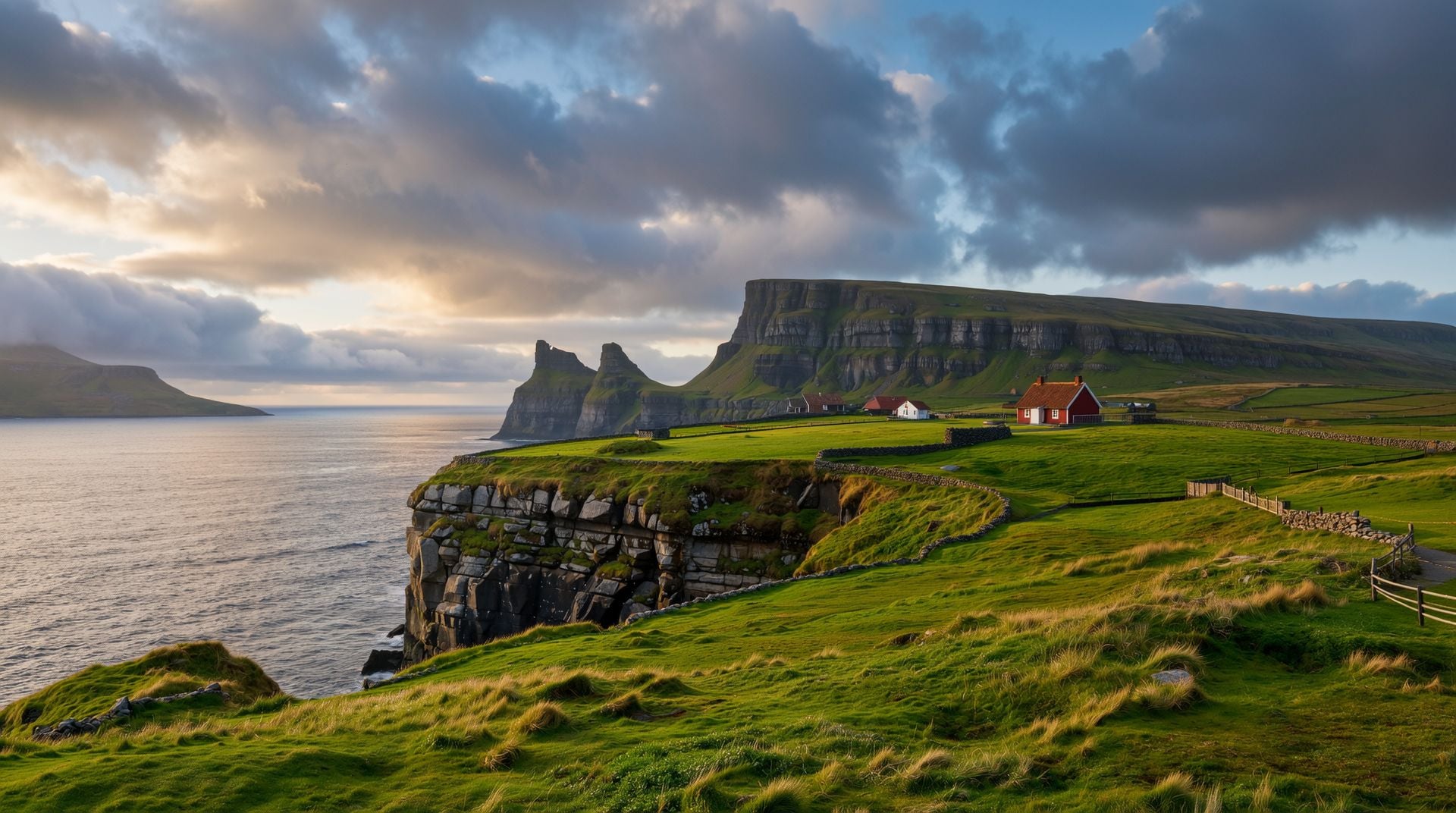
Generated on PixelDojo. Produced by PixelDojo's generation pipeline.
Imagine turning a simple idea into a breathtaking cinematic image or a complete 30-second video story in minutes. That's the power you unlock with WAN 2.7 versus WAN 3.0 on PixelDojo. WAN 2.7 delivers atmospheric, photorealistic stills perfect for portraits, architecture, and lifestyle shots that look like they were captured by a professional photographer. Switch to WAN 3.0 and you get immersive videos up to 30 seconds long in one continuous take, complete with native audio, so your narratives flow without any stitching. You achieve commercial-ready results faster than ever, whether you're building marketing campaigns, social content, or personal projects. PixelDojo brings both models together with 40+ cutting-edge AI tools, loved by thousands of creators worldwide. Start creating today and cancel anytime if it doesn't fit your workflow.
Real video examples generated on PixelDojo
Every example below was produced on PixelDojo. Hover to see the prompt.
Wi-landscape
image-to-image
First-person view flying through a canyon of towering red rock formations
flux-3-video
The ultra-wide-angle lens follows closely from the hood
image-to-video
Lip Sync
image-to-video
A man talking
image-to-video
Slow cinematic push-in
wan-2.5
Models you can run on PixelDojo for wan 2.7 vs wan 3.0
Switch models without switching tools. Each one runs in the same PixelDojo studio.
What you can do with wan 2.7 vs wan 3.0 on PixelDojo
Compare Wan 2.7 and 3.0
Run the same prompt on Wan 2.7 and Wan 3.0 in one workspace so you can judge motion, detail, and style before you commit to a cut.
Pick the Right Model
We host both Wan 2.7 and Wan 3.0 for video generation, so you can stay on 2.7 for a known look or switch to 3.0 when you want the newer model.
Reuse Prompts Across Versions
Save prompts, seeds, and settings and apply them to either Wan release to keep character, camera, and pacing aligned across tests.
Export Ready Video Clips
Generate clips with either model and download them for editing, review, or client delivery without leaving PixelDojo.
Loved by thousands of creators worldwide with consistently high ratings across millions of generations. Trusted for commercial use, with users reporting professional-quality outputs that save hours of traditional production time.
Why Choose Pixel Dojo for wan 2.7 vs wan 3.0
Professional-quality results with cutting-edge AI technology
Create Cinematic Still Images That Captivate
You generate stunning atmospheric images of landscapes, portraits, and food scenes using WAN 2.7 on PixelDojo. Standard tier gives you fast, high-quality results for everyday work, while Pro adds extra fidelity for textures like skin or fabric, all in six aspect ratios that match your vision perfectly.
Tell Complete Stories with 30-Second Videos
You produce unbroken video sequences up to 30 seconds with WAN 3.0, including synchronized audio and the ability to turn documents or web pages into dynamic content. This lets you craft full ads, explainers, or character-driven scenes that hold attention from start to finish without extra editing steps.
Enjoy Consistent Aesthetics Across Images and Videos
You maintain the same cinematic look by using identical prompting language between WAN 2.7 Image and WAN 3.0 Video. Refine everything with PixelDojo's Image to Image, Inpainting, or WAN 2.7 Video Edit tools, then enhance with P-Image Upscale for print-ready or high-res social posts.
How It Works
You can start generating professional WAN 2.7 images or WAN 3.0 videos in just three straightforward steps on PixelDojo, no technical expertise required.
Step 1: Choose Your Tool
Log into your PixelDojo account and head to Generate Images to pick WAN 2.7 for stills, or Generate Videos to select WAN 3.0 for motion. Choose your aspect ratio, Standard or Pro tier for WAN 2.7, and add any references like images or documents to guide the output.
Step 2: Enter Your Prompt
Type a descriptive prompt using cinematic terms like atmospheric lighting or painterly photoreal. For WAN 2.7, specify subjects like a stormy lighthouse or documentary portrait. For WAN 3.0, include motion, camera direction, and audio cues. PixelDojo's prompt builder helps refine it for the best results.
Step 3: Customize & Download
Review your generations, apply edits with Inpainting or Change Camera Angle, upscale using Clarity Pro or Portrait Upscaler, and download in your preferred format. All outputs are ready for commercial use, and you can iterate quickly with tools like WAN 2.7 Video Edit or Merge Videos.
The Pixel Dojo Advantage
Why PixelDojo outperforms other options for WAN 2.7 vs WAN 3.0 image and video generation
| Others | Pixel Dojo |
|---|---|
| Traditional photography and filming | You skip expensive equipment, location scouting, and hours of shooting to get cinematic images with WAN 2.7 or full videos with WAN 3.0 in minutes, all from your browser. |
| Generic AI tools | You access both WAN 2.7 for detailed stills and WAN 3.0 for extended videos plus specialized editors like Magic Lighting and Video Autocaption in one unified platform, not scattered across multiple services. |
| Manual photo and video editing | You let AI handle complex lighting, consistency, and composition automatically, then make precise tweaks with Image Outpainting or Kling Video Edit instead of spending days in traditional software. |
Loved by creators on PixelDojo
Real feedback from people using PixelDojo, pulled from our in-product surveys.
I love this app
It has all the tools I can think of...
deployment rate of splendid features is incredible. Legend
large selection of tools on one platform
the amount you can do on this site
all in one place
Explore more AI tools on PixelDojo
AI Tools
Compare & Switch
- Best AI Image Generators
- Best AI Video Generators
- Midjourney Alternatives
- Civitai Alternatives
- Runway Alternatives
- Leonardo Alternatives
- Pika Alternatives
- Luma Alternatives
- Magnific Alternatives
- Veo Alternatives
- Flux Alternatives
- Freepik Alternatives
- Seedance Alternatives
- Seedream Alternatives
- Pixverse Alternatives
- GPT Image Alternatives
- Synthesia Alternatives
- Playground Alternatives
- NightCafe Alternatives
- Canva AI Alternatives
- ElevenLabs Alternatives
- ComfyUI Alternatives
- Fal Alternatives
- Replicate Alternatives
Common Questions
Everything you need to know about wan 2.7 vs wan 3.0
What is the difference between WAN 2.7 and WAN 3.0 for AI image generation on PixelDojo?
WAN 2.7 specializes in generating high-quality cinematic still images with atmospheric lighting, strong portraits, and architectural details, available in Standard and Pro tiers with up to 4K resolution for hero shots. WAN 3.0 focuses on video, creating up to 30-second continuous clips with native audio and broader references like documents. On PixelDojo you use WAN 2.7 from Generate Images for stills and WAN 3.0 from Generate Videos for motion, sharing the same prompt style so your images and videos match perfectly. This combination lets you build complete campaigns without switching platforms.
How do I generate 4K cinematic images with WAN 2.7 on PixelDojo?
Select WAN 2.7 in Generate Images, choose the Pro tier for maximum fidelity on material-driven subjects like food or portraits, pick a 16:9 or 3:4 aspect ratio, and enter a prompt with lighting cues such as twilight warm interior lights. Generate multiple outputs, then upscale further with P-Image Upscale or Magnific Upscaler if needed. PixelDojo makes this process fast and affordable, with all images ready for commercial use, so you can iterate until you have print-ready assets that look professionally shot.
Can I use WAN 3.0 for image generation or is it mainly for videos?
WAN 3.0 is designed primarily for video generation, producing 30-second stories with synchronized audio and the ability to start from documents or web pages. For still images, PixelDojo recommends WAN 2.7 which excels at cinematic compositions. You can extract frames from WAN 3.0 videos using Extract Frame and then enhance them with Reality Polisher or Image Analyzer. This workflow gives you flexibility to create both stills and motion from the same creative idea, all within one account that you can cancel anytime.
What are the best prompting techniques for WAN 2.7 vs WAN 3.0 on PixelDojo?
For WAN 2.7 images, use atmospheric anchors like cinematic wide shot or documentary photography style, layer lighting elements, and name specific items for food or products. The same language works for WAN 3.0 videos, plus add motion, camera direction, and audio details. PixelDojo's tools like Prompt Builder and Consistent Characters help you maintain style across both. Thousands of creators find that starting simple and iterating with Image to Image or WAN 2.7 Video Edit produces the most professional results quickly.
Is WAN 2.7 or WAN 3.0 better for commercial projects on PixelDojo?
Both are excellent for commercial work because all PixelDojo outputs are licensed for commercial use. Choose WAN 2.7 when you need high-resolution stills for print, web, or ads with detailed textures. Choose WAN 3.0 when your project requires longer video sequences, native sound, or turning existing documents into promotional videos. Combine them with Marketing Studio, Virtual Try-On, or Video Autocaption for complete campaigns. With 40+ tools and the ability to cancel anytime, you have everything needed to deliver client-ready assets without risk.
How much does it cost to use WAN 2.7 and WAN 3.0 compared to other methods?
PixelDojo uses a simple credit system where WAN 2.7 Standard images start at one credit each, making it far more affordable than hiring photographers or videographers. WAN 3.0 videos are priced by length and resolution but still cost a fraction of traditional production. You get access to both models plus editors, upscalers, and character tools in one subscription loved by thousands of creators. Try it today with no long-term commitment since you can cancel anytime, and see how much time and money you save on your next project.