WAN vs Kling
Generated on PixelDojo. Produced by PixelDojo's generation pipeline.
WAN 2.7 is the faster pick for this same prompt test, finishing the surfer-at-sunset scene in 76.4 seconds versus Kling 2.6 Pro at 88.6 seconds. PixelDojo ran both models on the same scene, a surfer riding a large wave at sunset, spray and motion, then recorded real generation times so creators can compare them on a fair basis.
Real video examples generated on PixelDojo
Every example below was produced on PixelDojo. Hover to see the prompt.
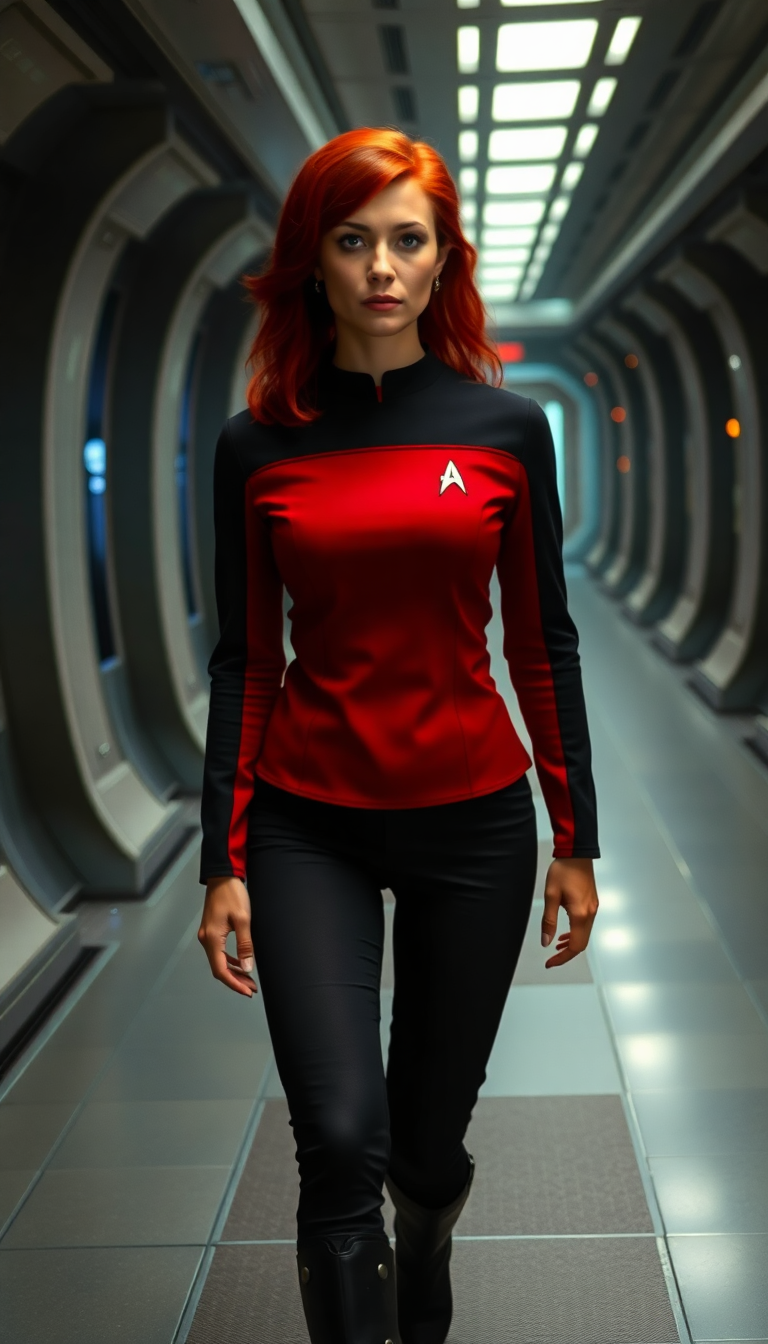
Red Star fleet ds9 uniform
flux

Red Star fleet uniform
flux

Red Star fleet uniform
flux
WAN vs Kling on PixelDojo
image-to-video
A stylish woman walks down the streets of lisbon
image-to-video
WAN vs Kling on PixelDojo
image-to-video
Models you can run on PixelDojo for WAN vs Kling
Switch models without switching tools. Each one runs in the same PixelDojo studio.
What you can do with WAN vs Kling on PixelDojo
Choose WAN or Kling
We give creators direct access to both WAN and Kling video models from the same dashboard.
Run Identical Prompts
Creators submit one prompt and generate separate outputs with WAN and with Kling.
View Side by Side
We display WAN and Kling results together so creators can review differences in motion and detail.
Download All Outputs
We let creators export video files from either model in common formats without extra steps.
Why Choose Pixel Dojo for WAN vs Kling
Professional-quality results with cutting-edge AI technology
Compare on equal terms
Both models received the same prompt, which keeps the head-to-head focused on model behavior rather than prompt differences.
See real speed differences
WAN 2.7 Text-to-Video completed the test in 76.4 seconds, while Kling 2.6 Pro completed it in 88.6 seconds.
Pick based on workflow needs
Use WAN when turnaround time is the priority, or consider Kling when you want to evaluate its Pro output style against the same creative brief.
How It Works
Start with one scene
PixelDojo used the same surfer wave prompt for each model: a surfer riding a large wave at sunset, spray and motion.
Run each model separately
WAN 2.7 Text-to-Video and Kling 2.6 Pro were each generated from that shared prompt inside the PixelDojo comparison flow.
Record and compare results
Generation times were logged for each model, then organized into a practical head-to-head verdict for creators.
Loved by creators on PixelDojo
Real feedback from people using PixelDojo, pulled from our in-product surveys.
All the tools, readily available and easy to understand
You guys, the LORA training is the BEST in the space right now, great job with that!
Tons of variety. Ease of use. Tools for beginners and advance users.
easiest workflow to get best output image or video
awesome functionality, UX, constant flood of improvements, discord interactivity
Awesome site with so many features
Explore more AI tools on PixelDojo
AI Tools
Compare & Switch
- Best AI Image Generators
- Best AI Video Generators
- Midjourney Alternatives
- Civitai Alternatives
- Runway Alternatives
- Leonardo Alternatives
- Pika Alternatives
- Luma Alternatives
- Magnific Alternatives
- Veo Alternatives
- Flux Alternatives
- Freepik Alternatives
- Seedance Alternatives
- Seedream Alternatives
- Pixverse Alternatives
- GPT Image Alternatives
- Synthesia Alternatives
- Playground Alternatives
- NightCafe Alternatives
- Canva AI Alternatives
- ElevenLabs Alternatives
- ComfyUI Alternatives
- Fal Alternatives
- Replicate Alternatives
Common Questions
Everything you need to know about WAN vs Kling
Which model was faster in this test?
WAN 2.7 Text-to-Video was faster, generating the surfer wave scene in 76.4 seconds. Kling 2.6 Pro took 88.6 seconds.
Was the same prompt used for both models?
Yes. PixelDojo used the same scene for both models: a surfer riding a large wave at sunset, spray and motion.
Does faster generation always mean the better model?
No. Speed matters for iteration and deadlines, but creators should also compare motion, detail, consistency, and how well each model follows the prompt.
What is WAN 2.7 Text-to-Video best for?
WAN 2.7 is a strong choice when fast iteration is important, especially for testing multiple prompt versions or producing quick concept clips.
What is Kling 2.6 Pro best for?
Kling 2.6 Pro is best evaluated when creators want to compare its Pro video style, motion handling, and scene interpretation against other top video models.