Food Photography Models AI Generator
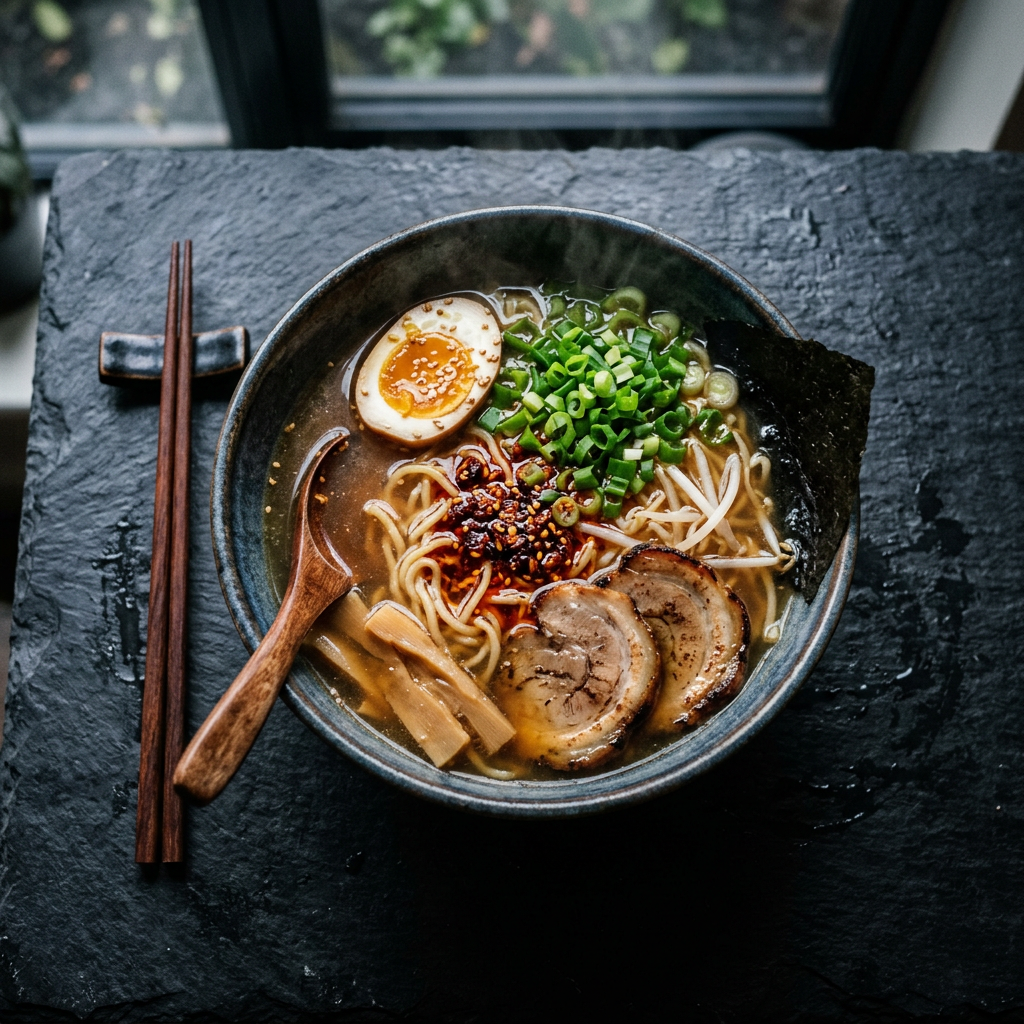
Generated on PixelDojo with Google Nano Banana 2, Seedream 5, Flux 2 Dev. Produced by PixelDojo's generation pipeline.
Google Nano Banana 2 won our food test because it was the only model that obeyed every instruction in the prompt. We sent one overhead ramen prompt to Nano Banana 2, Seedream 5 and Flux 2 Dev on August 26, 2026 and timed each request. Nano Banana 2 cost 3 credits, took about 28 seconds, and delivered a genuine top down frame on a dark slate slab with window light. Seedream 5 cost 2.5 credits, took about 51 seconds, and painted the most beautiful bowl of the three at 2496 by 1664, but it shot the scene from a three quarter angle instead of overhead. Flux 2 Dev cost 1 credit and finished in about 21 seconds. We ranked on how much of the brief each model actually followed, then on price and measured speed.
Side-by-side, same prompt
Every model below ran the identical prompt on PixelDojo so the outputs are directly comparable: “Overhead shot of a steaming bowl of ramen with a soft egg, scallions and chili oil, dark slate table, moody window light”
Google Nano Banana 2
28sThe only true overhead frame, on real slate, with the fullest bowl. 3 credits, about 28 seconds, 1024 by 1024.
Seedream 5
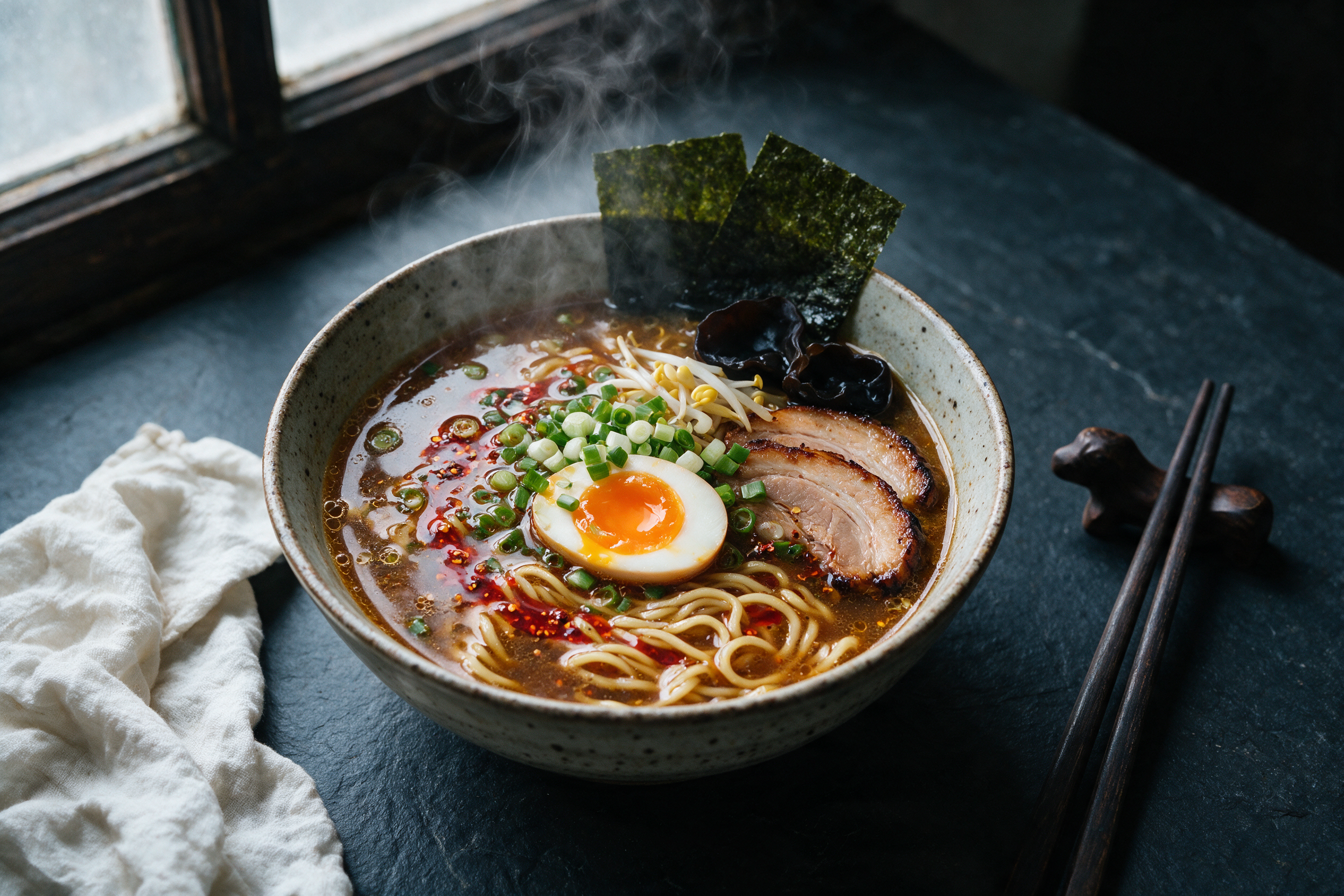
51sBest light and steam of the three, delivered wide at 2496 by 1664, but it ignored the overhead instruction. 2.5 credits, about 51 seconds.
Flux 2 Dev
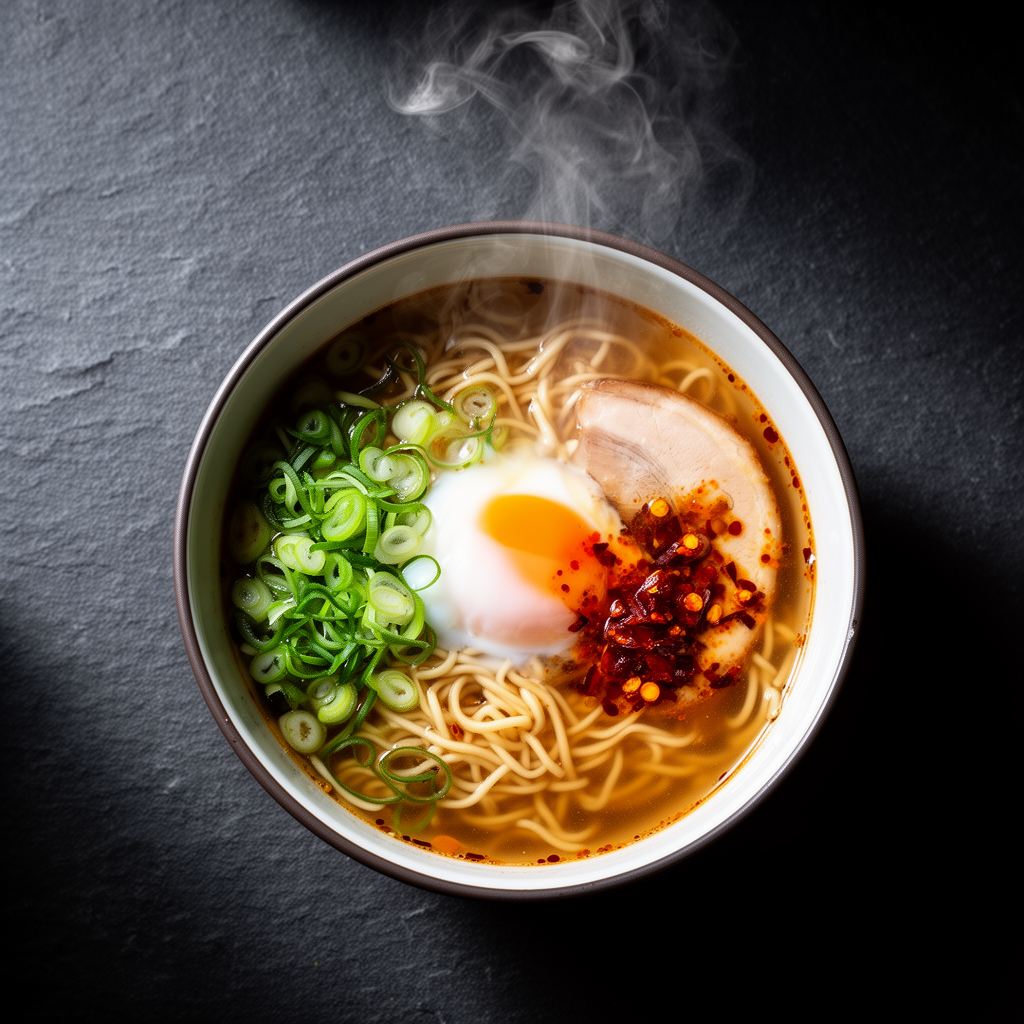
21sCheapest and fastest, straight down as asked, but the egg reads poached rather than the soft ramen egg. 1 credit, about 21 seconds.
Why each model landed where it did
1. Google Nano Banana 2, 3 credits, about 28 seconds
Nano Banana 2 is the only one that read the whole prompt back to us. The camera is nearly straight down. The table is a textured dark slate slab with a visible chipped edge, not a generic dark surface. Window light falls from the top of the frame with real greenery blurred behind it. The bowl is a glazed blue grey ceramic holding curly noodles, two slices of charred pork, bamboo shoots, bean sprouts, a sheet of nori, a heap of scallions and a slick of chili oil dotted with sesame, plus a halved soft egg. Wooden chopsticks rest on a ceramic holder beside it and a wooden spoon sits in the broth. This is the file you would put straight on a menu. Skip it if budget matters, because at 3 credits it was three times the price of Flux 2 Dev, and it came back at 1024 by 1024, the smallest of the three.
2. Seedream 5, 2.5 credits, about 51 seconds
Seedream 5 made the prettiest picture and broke the brief. A real plume of steam rises off a speckled stoneware bowl, chili oil beads sit on the surface of a brown broth, the jammy egg has a bright orange centre, the pork is properly caramelised at the edges, and there is a linen cloth and a rabbit shaped chopstick rest styled into the shot. The light is the best of the three by a distance. But the prompt said overhead and this is a three quarter table angle, so if you are building a grid of flat lays it will not match its neighbours. It is also the widest file we got, 2496 by 1664, which is the only one of the three that crops to a page wide banner without upscaling. Skip it if the camera angle is fixed by a template. Pick it when you want one hero image and you can accept the angle it chooses.
3. Flux 2 Dev, 1 credit, about 21 seconds
Flux 2 Dev was the cheapest and the fastest, and it did give us a true straight down frame on a dark slate surface with visible grain and a wisp of steam. For 1 credit that is a lot. The bowl is plain white with a dark rim, holding noodles in a clear broth with bright scallions, chili flakes in oil and one slice of pork. The problem is the egg. Ours reads as a poached egg with a loose white spreading into the broth, not the halved soy cured ramen egg the prompt described, and it is the first thing a food person will notice. The styling is also bare, with no props, no garnish beyond the basics and a tight crop that leaves no table context. Skip it for final menu photography. Use it to test composition ideas at a fifth of the price before you spend on a finished frame.
One ramen prompt, three models, timed the same day. Prices ran 1 to 3 credits. Measured turnaround ran about 21 to about 51 seconds.
Why Choose Pixel Dojo for Food Photography Models
Professional-quality results with cutting-edge AI technology
Camera angle is the thing models drop
Two of three obeyed overhead. The prettiest result was the one that ignored it, which matters when your images sit in a grid.
The whole comparison cost 6.5 credits
One credit at the bottom, three at the top. Testing all three on your own dish is cheaper than one stock photo licence.
Only one came back wide
Seedream 5 returned 2496 by 1664 on the same prompt where the other two returned 1024 square, with no size setting from us.
How It Works
The method behind the ranking:
Put the hard instruction in the prompt
Ours named an overhead camera, a dark slate table and moody window light. Those are the three things that separate a food photo from a picture of food, and they are the three things to check afterwards.
Send the identical text to every model
We changed nothing between the three runs and kept the first result each time, so the differences you see are the models and not our editing.
Score the brief before you score the beauty
We marked each file against the prompt first. That is how the prettiest image finished second: it is lovely and it is not the shot we asked for.
Loved by creators on PixelDojo
Real feedback from people using PixelDojo, pulled from our in-product surveys.
Love it make anything I can think of so far
Great for all your ideas use it encourage more people to use it
Because it is awesome
exceptional quality and great overall design of platform and interface. very intuative. love the creative freedom.
Qwen image 2 is amazing!!
Creative freedom, range of tools and options.
Explore more AI tools on PixelDojo
AI Tools
Compare & Switch
- Best AI Image Generators
- Best AI Video Generators
- Midjourney Alternatives
- Civitai Alternatives
- Runway Alternatives
- Leonardo Alternatives
- Pika Alternatives
- Luma Alternatives
- Magnific Alternatives
- Veo Alternatives
- Flux Alternatives
- Freepik Alternatives
- Seedance Alternatives
- Seedream Alternatives
- Pixverse Alternatives
- GPT Image Alternatives
- Synthesia Alternatives
- Playground Alternatives
- NightCafe Alternatives
- Canva AI Alternatives
- ElevenLabs Alternatives
- ComfyUI Alternatives
- Fal Alternatives
- Replicate Alternatives
Common Questions
Everything you need to know about Food Photography Models
What is the best AI model for food photography?
Google Nano Banana 2 in our August 26, 2026 test. It cost 3 credits, took about 28 seconds, and was the only model that delivered the overhead angle, the slate table and the window light we asked for in one go. Seedream 5 made the better looking image but changed the camera angle.
Which one is cheapest for food images?
Flux 2 Dev at 1 credit per image, and it was also the fastest at about 21 seconds. It obeyed the overhead framing. The compromise is plating detail: our soft egg came back looking poached rather than soy cured.
How fast are these models on a food prompt?
Timed on August 26, 2026 from request to finished file: about 21 seconds for Flux 2 Dev, about 28 seconds for Nano Banana 2, about 51 seconds for Seedream 5. Queue load moves these figures, so read them as typical.
Why did one model ignore the overhead instruction?
Camera angle competes with everything else in a prompt. Seedream 5 spent its attention on light, steam and styling and chose a three quarter angle it clearly favours for food. If the angle is non negotiable, say it first in the prompt and check the result before you commit to a set.
Are these good enough for a restaurant menu?
The Nano Banana 2 frame is. Bear in mind it is a generated dish and not your kitchen's plating, so it is honest to use generated images for mood and style and to photograph the actual dishes you serve.
How do I call these from the API?
POST to /api/v1/models/nano-banana-2/run, /api/v1/models/seedream-5/run or /api/v1/models/flux-2-dev/run with your API key. One key, one request shape, so running the same dish through all three is three calls that differ by one string.